Common Causes of Low Back Pain in Adults Over 30
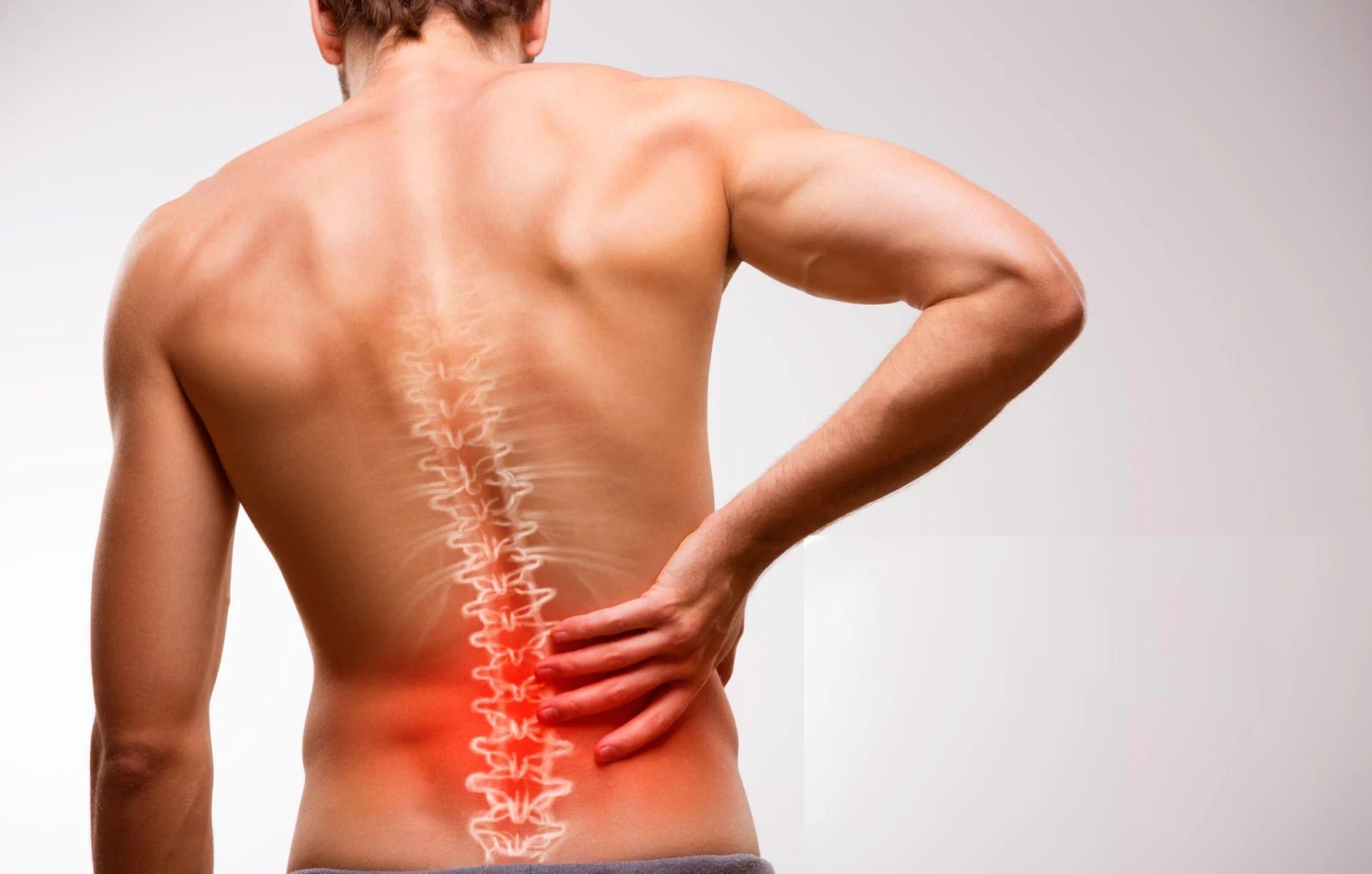
As a chiropractor, one of the most common complaints I hear from patients is low back pain. Many people notice that once they reach their 30s, their body simply doesn’t recover the same way it used to. Stiffness becomes more common, sitting too long starts causing discomfort, and activities that never used to hurt suddenly become problematic.
At Pure Motion Chiropractic, I work with many adults searching for a Chiropractor in Roscoe Village or a trusted Chicago chiropractor because they want to understand why their low back pain started and what they can do about it naturally.
The truth is that there are several common causes of low back pain, especially as we age. Understanding these factors is the first step toward improving mobility, reducing pain, and preventing future flare-ups.
How Age Affects the Lower Back
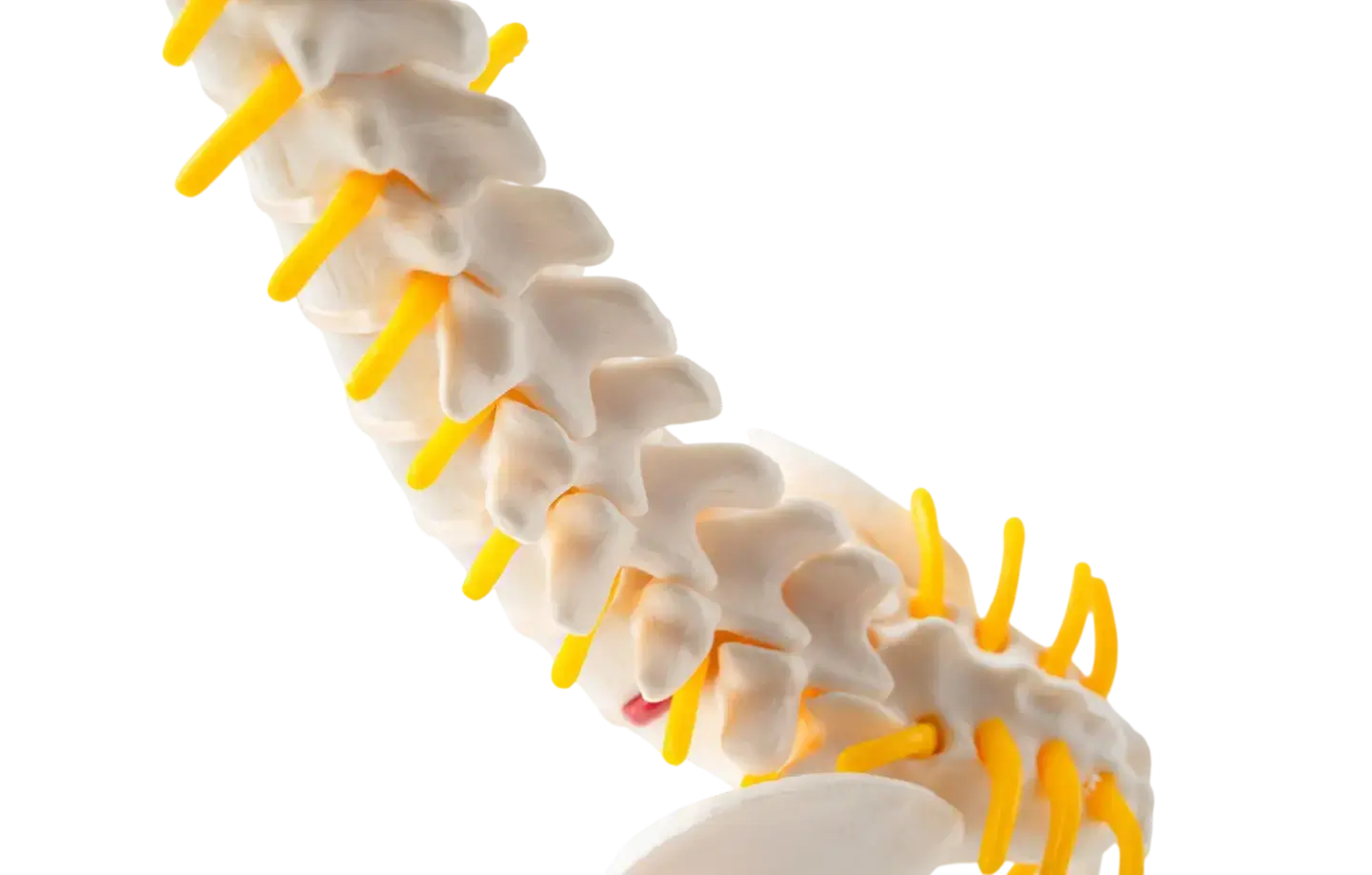
One of the biggest contributors to age and low back pain is simple wear and tear over time. The spine experiences stress every day from sitting, standing, lifting, exercising, driving, and repetitive movements.
As we get older:
- Spinal discs naturally lose hydration
- Joint mobility can decrease
- Muscles may weaken
- Posture often worsens
- Recovery times become slower
These changes don’t necessarily mean pain is unavoidable, but they do mean the body requires more maintenance and proper movement to stay healthy.
Poor Posture and Desk Jobs
One of the most overlooked causes of low back pain is prolonged sitting and poor posture.
Many adults spend hours each day sitting at desks, commuting, or looking down at phones and laptops. Over time, this places excessive stress on the lower back, hips, and surrounding muscles.
I commonly see patients with:
- Tight hip flexors
- Weak core muscles
- Rounded shoulders
- Forward head posture
- Increased pressure on the lumbar spine
Poor posture may seem harmless initially, but over months and years it can create chronic stress patterns throughout the body.
Lack of Movement and Exercise
Another major factor contributing to low back pain is inactivity.
The body is designed to move. When muscles become weak or joints lose mobility, the spine often becomes less stable and more prone to irritation.
Many adults over 30 notice:
- Increased stiffness in the morning
- Reduced flexibility
- Tight hamstrings and hips
- Difficulty standing or walking for long periods
Simple daily movement, stretching, and strengthening exercises can make a major difference in supporting spinal health.
Muscle Strain and Overuse Injuries
Not all back pain develops gradually. Sometimes pain starts after lifting something heavy, exercising improperly, or performing repetitive movements.
Muscle strains are extremely common and can cause:
- Sharp pain
- Tightness
- Reduced range of motion
- Muscle spasms
Even minor injuries can linger longer as we age if underlying mobility or posture issues are not addressed.
Degenerative Changes in the Spine
Age-related degeneration is another common source of discomfort.
Conditions such as:
- Degenerative disc disease
- Arthritis
- Disc bulges
- Joint inflammation
can all contribute to stiffness and pain in the lower back.
While degeneration sounds alarming, it’s important to remember that many people with these findings can still remain active and functional with proper conservative care.
Stress and Tension
Many people do not realize that stress can physically affect the body.
Stress often causes muscles to tighten, particularly in the neck, shoulders, and lower back. Over time, chronic tension can contribute to soreness, fatigue, and restricted movement patterns.
I frequently remind patients that spinal health is influenced not only by physical activity, but also by sleep quality, stress management, hydration, and recovery habits.
How Chiropractic Care Can Help
At Pure Motion Chiropractic, my goal is to identify the underlying causes of low back pain rather than simply masking symptoms.
Chiropractic care may help by:
- Improving spinal mobility
- Reducing joint restriction
- Relieving muscle tension
- Supporting better posture
- Encouraging proper movement patterns
Treatment plans are individualized based on each patient’s lifestyle, activity level, and symptoms.
Many patients searching for a Chicago chiropractor are looking for conservative, non-invasive options before considering medications or more aggressive interventions.
Don’t Ignore Persistent Low Back Pain
Occasional soreness is common, but persistent pain should not simply be ignored.
Early intervention often helps prevent minor problems from becoming chronic conditions. The sooner mobility, posture, and movement issues are addressed, the easier they are to manage.
If you’re dealing with ongoing discomfort and looking for a Chiropractor in Roscoe Village, I’d be happy to help evaluate what may be contributing to your symptoms and create a personalized treatment approach focused on long-term spinal health.