How Core Strength Helps Support Your Spine and Prevent Back Pain
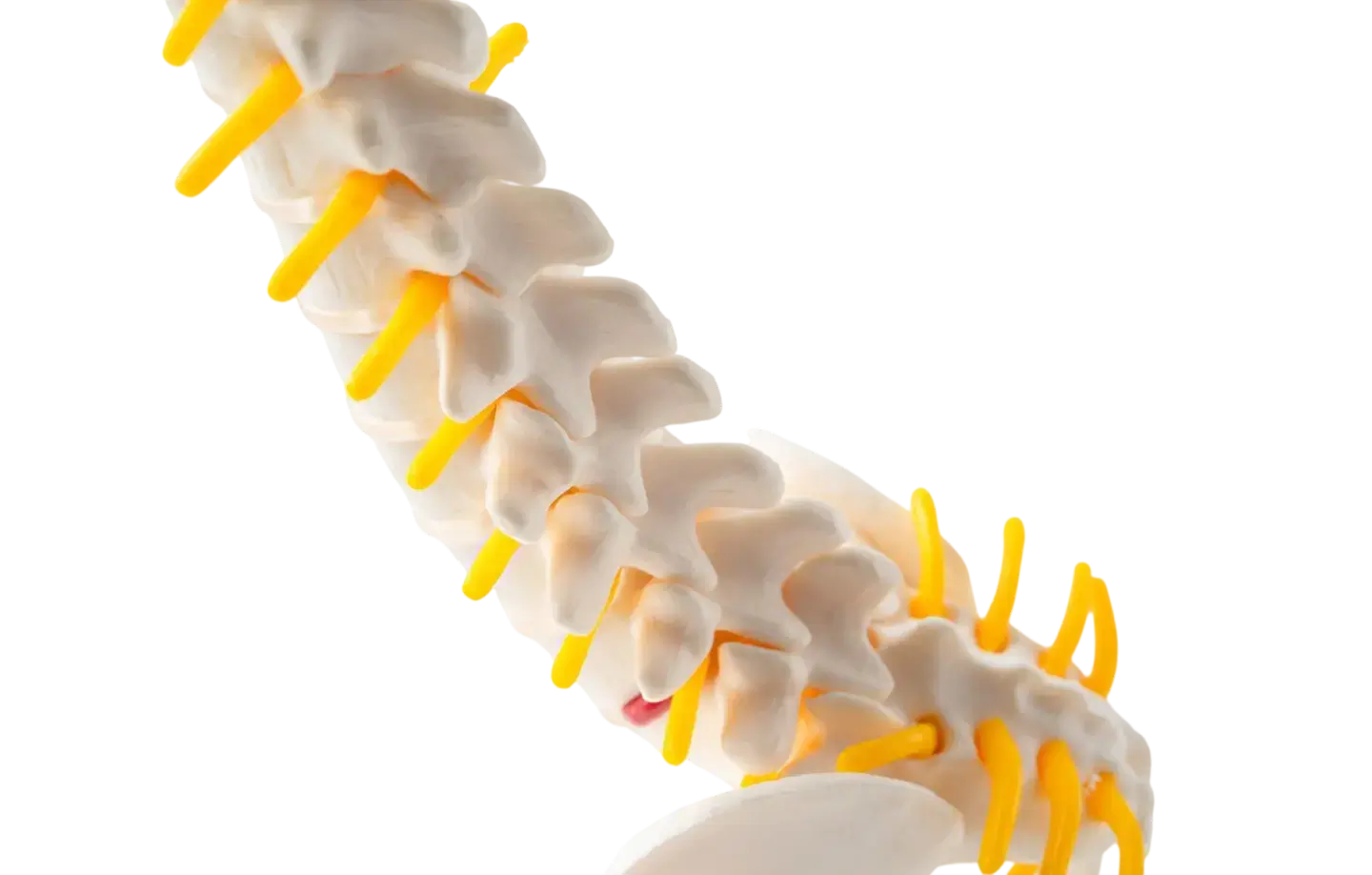
If you experience lower back pain, stiffness, or discomfort after sitting for long periods, improving your core strength may help. Your core muscles do more than give you a strong midsection. They help stabilize your spine, support your posture, and allow you to move efficiently throughout the day.
At Pure Motion Chiropractic, I often discuss the importance of movement, exercise, and spinal stability with patients experiencing back discomfort. While strengthening your core cannot prevent every cause of back pain, building strength in the muscles that support your spine can be an important part of maintaining a healthy back.
What Is Your Core, and Why Does It Matter?
Your core includes more than just your abdominal muscles. It consists of several muscle groups that work together to support your trunk and help control movement, including:
- Abdominal muscles: Help control trunk movement and support spinal stability.
- Deep core muscles: Help coordinate abdominal tension and trunk control during everyday activities.
- Back muscles: Help maintain posture and control spinal movement.
- Pelvic muscles: Work with your abdominal and back muscles to support the trunk.
- Hip and gluteal muscles: Help stabilize the pelvis and transfer forces between your upper and lower body.
When these muscles work together effectively, they help you perform everyday movements such as bending, lifting, walking, and getting out of a chair.
Core strength is not just about having visible abdominal muscles. It’s about developing the strength, endurance, and coordination needed to control your spine during movement.
How Does Core Strength Help Support Your Spine?
Your spine is designed to move, but it also needs muscular support to manage the demands of everyday activities. Your core muscles help provide that support in several ways.
1. Improves Spinal Stability
Your abdominal and back muscles work together to help control movement around your spine. This muscular coordination helps you maintain control when bending, reaching, lifting, and turning.
Improving core strength and endurance may help you perform these activities with greater confidence and control.
2. Supports Better Posture
Maintaining a comfortable posture requires coordination between your trunk, back, and hip muscles. If these muscles fatigue quickly, you may find it harder to maintain a comfortable position throughout the day.
Strengthening your core may improve your ability to tolerate prolonged sitting, standing, and other daily activities. Remember, though, that there is no single perfect posture. Regular movement and changing positions are also important.
3. Helps You Lift and Move More Efficiently
Lifting groceries, carrying children, moving furniture, and picking up objects from the floor all require coordination between your core, hips, and legs.
A stronger, better-coordinated trunk can help you control these movements and manage physical demands more effectively.
4. May Help Reduce Recurring Back Pain
Exercise is an important component of care for many people with low back pain. Strengthening and endurance exercises may help improve function and reduce pain, particularly when performed consistently as part of an appropriate exercise program.
However, core weakness is not the only cause of back pain. Back discomfort can also be associated with joint irritation, disc problems, muscle strains, prolonged inactivity, and other factors.
The goal is not to assume that weak abdominal muscles are causing your pain. Instead, building strength can help improve your overall capacity to move and participate in daily activities.
Beginner-Friendly Exercises for Back Pain
If you’re new to exercise or want to improve your core strength without complicated equipment, start with simple movements that emphasize control rather than intensity.
The following exercises are commonly used to develop trunk stability and muscular endurance. Choose movements that feel comfortable and modify them based on your current abilities.
1. Abdominal Bracing
Abdominal bracing teaches you to engage your abdominal muscles without holding your breath or excessively arching your lower back.
How to do it:
- Lie on your back with your knees bent and feet flat on the floor.
- Breathe normally and gently tighten your abdominal muscles as if preparing for a light bump to your stomach.
- Keep your pelvis and lower back comfortable rather than forcing them into a particular position.
- Hold the contraction for five to ten seconds while continuing to breathe.
- Relax and repeat five to ten times.
Why it helps: Abdominal bracing helps develop awareness and control of the muscles that support your trunk.
2. Bird Dog
The bird dog exercise challenges your ability to stabilize your trunk while moving your arms and legs.
How to do it:
- Begin on your hands and knees, with your hands beneath your shoulders and knees beneath your hips.
- Gently engage your abdominal muscles.
- Slowly extend one arm forward and the opposite leg backward, keeping your trunk steady.
- Avoid twisting your hips or arching your lower back.
- Hold briefly, return to the starting position, and switch sides.
Start with five repetitions per side and increase gradually as your control improves.
Why it helps: The bird dog trains trunk stability, coordination, and endurance while your arms and legs move.
3. Glute Bridge
Your gluteal muscles help support hip movement and work with your trunk muscles during many everyday activities.
How to do it:
- Lie on your back with your knees bent and feet flat on the floor.
- Keep your arms relaxed at your sides.
- Gently tighten your abdominal muscles and squeeze your glutes.
- Lift your hips until your shoulders, hips, and knees form a comfortable, roughly straight line.
- Pause briefly, then slowly lower your hips.
Begin with eight to ten repetitions.
Why it helps: Glute bridges strengthen the gluteal muscles and train coordination between the hips and trunk.
4. Modified Side Plank
The side plank challenges the muscles along the sides of your trunk, which help control sideways movement.
How to do it:
- Lie on your side with your knees bent.
- Position your elbow directly beneath your shoulder.
- Lift your hips off the floor while keeping your knees on the ground.
- Maintain a straight line from your shoulders to your knees.
- Hold for five to ten seconds, then lower slowly.
Repeat three to five times per side, gradually increasing the hold as your strength improves.
Why it helps: This exercise develops lateral trunk strength and endurance without requiring a full plank.
5. Dead Bug
The dead bug exercise trains your abdominal muscles to control trunk position while your arms and legs move.
How to do it:
- Lie on your back and raise your arms toward the ceiling.
- Lift your legs with your hips and knees bent approximately 90 degrees.
- Gently engage your abdominal muscles.
- Slowly lower one arm and the opposite leg toward the floor, moving only as far as you can while maintaining comfortable trunk control.
- Return to the starting position and switch sides.
Start with five repetitions per side.
Why it helps: The dead bug develops abdominal endurance and coordination while challenging your ability to control spinal movement.
A helpful reminder: Start with just two or three exercises if you’re new to strengthening. You don’t need to perform every exercise in one session. Consistency and gradual progression are more important than doing too much too soon.
Stop an exercise if it causes sharp or increasing pain, or if you develop new radiating pain, numbness, or weakness. If you have persistent back pain or an underlying condition, consult a qualified healthcare professional before starting a new exercise program.
How Often Should You Strengthen Your Core?
For most beginners, two to three core-strengthening sessions per week can be a reasonable starting point, depending on your fitness level and symptoms.
Consider these tips as you build your routine:
- Start with a small number of repetitions and short holds.
- Focus on controlled movement rather than speed.
- Breathe normally instead of holding your breath.
- Increase repetitions or difficulty gradually.
- Allow time for recovery between challenging sessions.
- Combine strengthening with walking and other forms of regular physical activity.
You don’t need to perform intense abdominal workouts to support your spine. A simple, consistent routine can help you gradually improve your strength and endurance.
If an exercise consistently aggravates your symptoms, modify it or seek guidance rather than pushing through the pain.
Can Chiropractic Care Complement Core Strengthening?
Exercise and chiropractic care can be complementary components of a plan to manage certain types of back pain.
Chiropractic care may include spinal manipulation, mobilization, and other conservative approaches when clinically appropriate. These treatments may help some patients manage pain and improve movement, making it easier to participate in strengthening exercises and everyday activities.
At the same time, exercise helps build strength, endurance, and movement capacity over time. These benefits are different from the short-term effects that some patients experience after manual therapy.
At Pure Motion Chiropractic, I believe it’s important to consider the full picture when addressing back discomfort. Depending on your symptoms and examination findings, care may include:
- Assessing spinal and hip mobility.
- Identifying movements or activities that aggravate your symptoms.
- Recommending appropriate mobility and strengthening exercises.
- Discussing posture, lifting mechanics, and activity modifications.
- Developing a plan to gradually return to normal activities.
Not every patient needs the same approach. The appropriate combination of chiropractic care, exercise, and other treatment options depends on your individual circumstances.
When Should You Seek Professional Help for Back Pain?
Many episodes of back pain improve with time, appropriate activity, and conservative care. However, persistent or recurring symptoms deserve evaluation to help identify potential contributing factors and determine the best course of action.
Consider consulting a healthcare professional if your back pain:
- Continues to return or interferes with daily activities.
- Makes it difficult to sit, stand, walk, or sleep comfortably.
- Radiates into your buttock or leg.
- Does not improve with reasonable activity modifications.
Seek urgent medical attention for back pain accompanied by new or progressive leg weakness, numbness around the groin or saddle area, or new loss of bladder or bowel control. These symptoms can indicate a serious condition requiring emergency evaluation.
Back pain following significant trauma or accompanied by other concerning symptoms may also require prompt medical assessment.
Strengthen Your Core for a Healthier Back
Your core muscles play an important role in supporting your spine, controlling movement, and helping you manage everyday physical demands. Although strengthening cannot guarantee that you will avoid back pain, improving your trunk strength and endurance may help you move more comfortably and build resilience over time.
Starting with beginner-friendly exercises such as abdominal bracing, bird dogs, glute bridges, modified side planks, and dead bugs can be a practical way to begin.
If you’re experiencing back discomfort and want guidance on exercises for back pain, the team at Pure Motion Chiropractic can help you explore conservative care options and determine whether a personalized exercise approach may be appropriate.
Contact Pure Motion Chiropractic in Roscoe Village, Chicago, to learn more about supporting your spine and maintaining an active lifestyle.
This article is for educational purposes only and is not a substitute for individualized medical advice, diagnosis, or treatment.