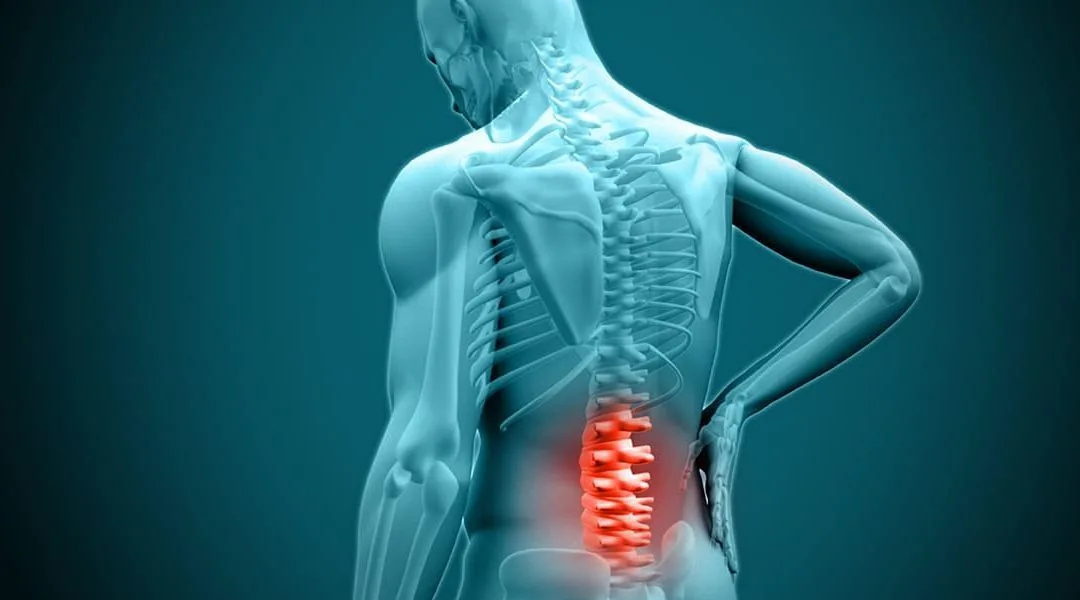
Can Chiropractic Care Help With a Herniated Disc? Understanding Causes, Symptoms, and Treatment Options
One of the most common concerns I hear from patients is, “Do I need surgery for a herniated disc?”
The word “herniated disc” can sound intimidating, especially when patients experience back pain, leg pain, or symptoms like numbness and tingling. However, a herniated disc does not always mean surgery is necessary.
As a chiropractor in Roscoe Village, I have helped many patients dealing with disc-related pain understand their condition, improve their mobility, and explore conservative treatment options.
While every patient and every condition is different, many people with a herniated disc may benefit from a comprehensive approach that focuses on reducing discomfort, improving movement, and addressing the factors that may have contributed to the problem.
What Is a Herniated Disc?
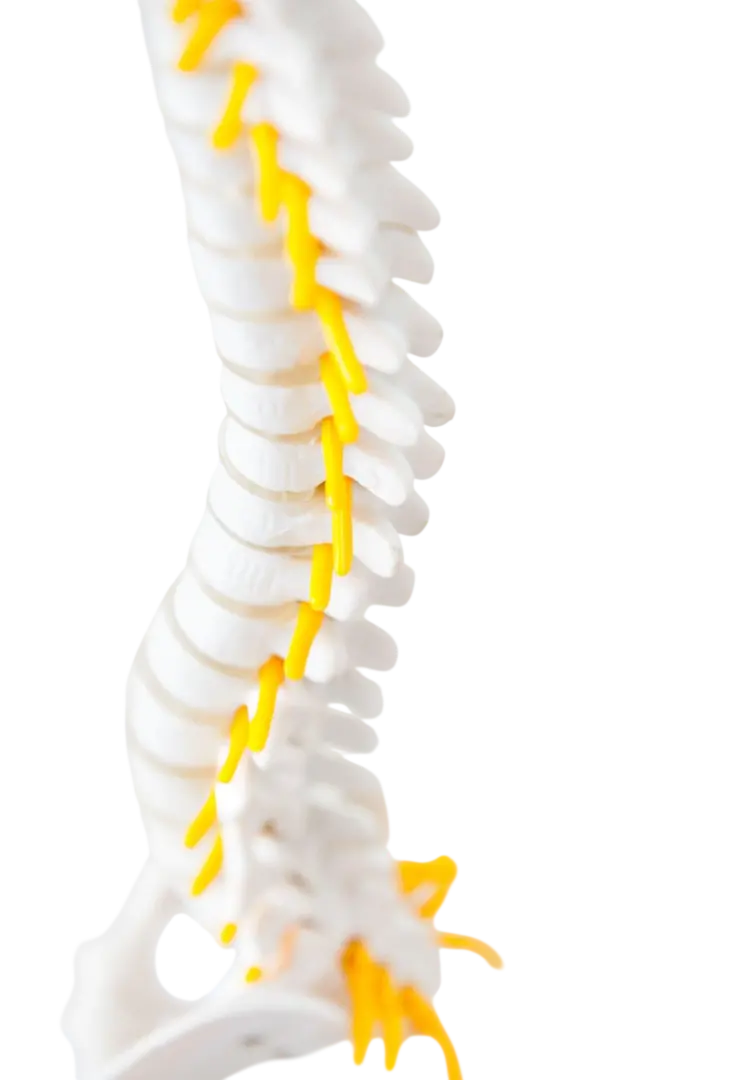
To understand a herniated disc, it helps to understand the basic structure of your spine.
Between each vertebra in your spine are small cushions called intervertebral discs. These discs act as shock absorbers, helping your spine handle everyday movements like bending, lifting, walking, and twisting.
Each disc has two main parts:
- A soft, gel-like center called the nucleus pulposus
- A tougher outer layer called the annulus fibrosus
A herniated disc occurs when the inner portion of the disc pushes through a weakened area in the outer layer.
This may irritate nearby nerves and contribute to symptoms such as back pain, leg pain, or sciatica.
What Causes a Herniated Disc?
A herniated disc can develop for several reasons.
Some common contributing factors include:
Age-Related Changes
As we age, spinal discs naturally lose some of their water content and flexibility. This can make them more susceptible to injury.
Repetitive Stress
Daily activities that involve repeated bending, lifting, or twisting may place additional stress on the spine over time.
Improper Lifting Techniques
Lifting heavy objects with poor mechanics can increase strain on the lower back.
Poor Posture
Long periods of sitting, especially with poor posture, may contribute to increased stress on the structures that support the spine.
Sudden Injury
A fall, accident, or sudden movement may trigger symptoms in some individuals.
In many cases, a herniated disc develops from a combination of factors rather than one single event.
Common Symptoms of a Herniated Disc
The symptoms of a herniated disc can vary depending on the location of the disc and whether nearby nerves are affected.
Some people may have a herniated disc with little or no pain, while others may experience significant symptoms.
Common symptoms include:
- Lower back pain
- Pain that travels into the buttocks or leg
- Sciatica symptoms
- Numbness or tingling
- Muscle weakness
- Stiffness
- Difficulty with certain movements
Many patients who come to my office describe pain that starts in their lower back and travels down one leg. This type of discomfort is often referred to as sciatica.
Understanding Sciatica From a Herniated Disc
Sciatica occurs when the sciatic nerve or one of its nerve roots becomes irritated.
A herniated disc in the lower spine may place pressure on or irritate nearby nerve tissue, causing symptoms that travel from the lower back into the buttock, thigh, calf, or foot.
Symptoms may include:
- Sharp or shooting pain
- Burning sensations
- Tingling
- Numbness
- Weakness in the leg
While sciatica from a herniated disc can be painful, many cases improve with appropriate conservative care.
Can Chiropractic Care Help With a Herniated Disc?
Many patients search for a chiropractor for herniated disc because they are looking for non-surgical options to manage their symptoms.
The goal of chiropractic care is not to “push a disc back into place.” Instead, chiropractic treatment focuses on improving spinal movement, reducing stress on surrounding structures, and helping the body function more efficiently.
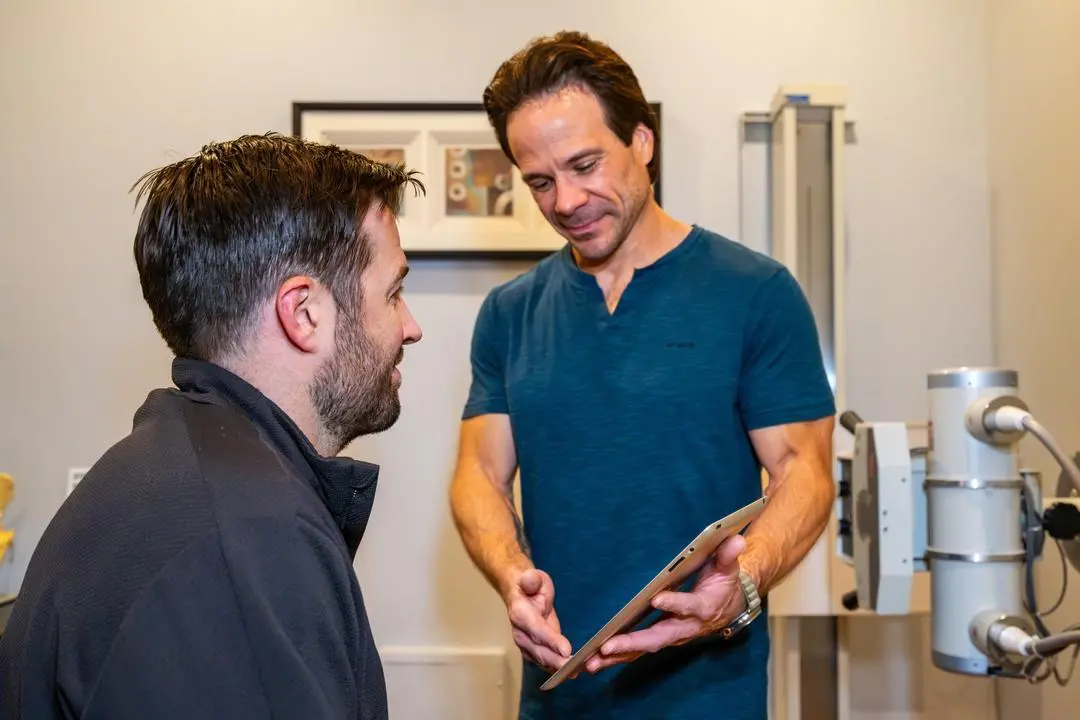
After a thorough examination, I evaluate factors such as:
- Spinal mobility
- Posture
- Muscle tension
- Movement patterns
- Strength and flexibility
- Symptoms affecting daily activities
Depending on the individual, chiropractic care may include:
- Chiropractic adjustments
- Soft tissue therapy
- Mobility exercises
- Stretching recommendations
- Strengthening exercises
- Posture and ergonomics guidance
Improving movement in the surrounding joints and tissues may help reduce strain on the spine and allow patients to move more comfortably.
Herniated Disc Treatment: Why a Conservative Approach May Help
Many people immediately assume a herniated disc requires surgery. While surgery may be appropriate for some individuals, many patients first benefit from conservative approaches.
A conservative herniated disc treatment plan may focus on:
- Reducing irritation
- Restoring mobility
- Improving posture
- Strengthening supportive muscles
- Returning to normal activities safely
The right approach depends on the severity of symptoms, the location of the disc issue, and the overall health of the patient.
My goal is always to help patients understand their condition and create a treatment plan that fits their specific needs.
What About Back Pain From a Herniated Disc?
Back pain from a herniated disc can range from mild stiffness to significant discomfort that affects daily activities.
Many patients notice symptoms during activities such as:
- Sitting for long periods
- Bending forward
- Lifting objects
- Getting in and out of a car
- Exercising
One of the biggest mistakes people make is avoiding movement completely because they are afraid of making the problem worse.
While certain activities may need to be modified during recovery, controlled movement is often an important part of improving function.
A personalized treatment plan can help determine which movements are appropriate and which should temporarily be avoided.
When Should You See a Chiropractor or Healthcare Provider?
If you are experiencing ongoing back pain, leg pain, or symptoms that may be related to a herniated disc, an evaluation can help identify the cause.
I recommend seeking professional evaluation if:
- Pain lasts more than a few weeks
- Symptoms are worsening
- Pain travels down your leg
- You experience numbness or tingling
- You notice weakness
- Your pain affects sleep, work, or daily activities
Certain symptoms require immediate medical attention, including:
- Loss of bladder or bowel control
- Severe weakness in the legs
- Numbness in the groin or saddle area
These symptoms may indicate a more serious condition and should be evaluated promptly.
Chiropractic Care in Chicago for Herniated Disc Symptoms
As a provider of Chicago chiropractic care, I understand how frustrating it can be when back pain or sciatica starts limiting your daily activities.
Every patient deserves an individualized approach. A treatment plan that works well for one person may not be appropriate for another.
My goal at Pure Motion Chiropractic is to help patients understand what is contributing to their symptoms and provide conservative care designed to improve movement, reduce discomfort, and support long-term spinal health.
Take the First Step Toward Better Movement
A herniated disc does not automatically mean you have to live with chronic pain or immediately consider surgery.
With the right evaluation and treatment approach, many patients are able to improve their mobility and return to the activities they enjoy.
If you are experiencing back pain from a herniated disc, sciatica symptoms, or ongoing spinal discomfort, I would be happy to evaluate your condition and discuss whether chiropractic care may be an appropriate option for you.
At Pure Motion Chiropractic, my goal is simple: help you move better, feel better, and get back to living your life with confidence.