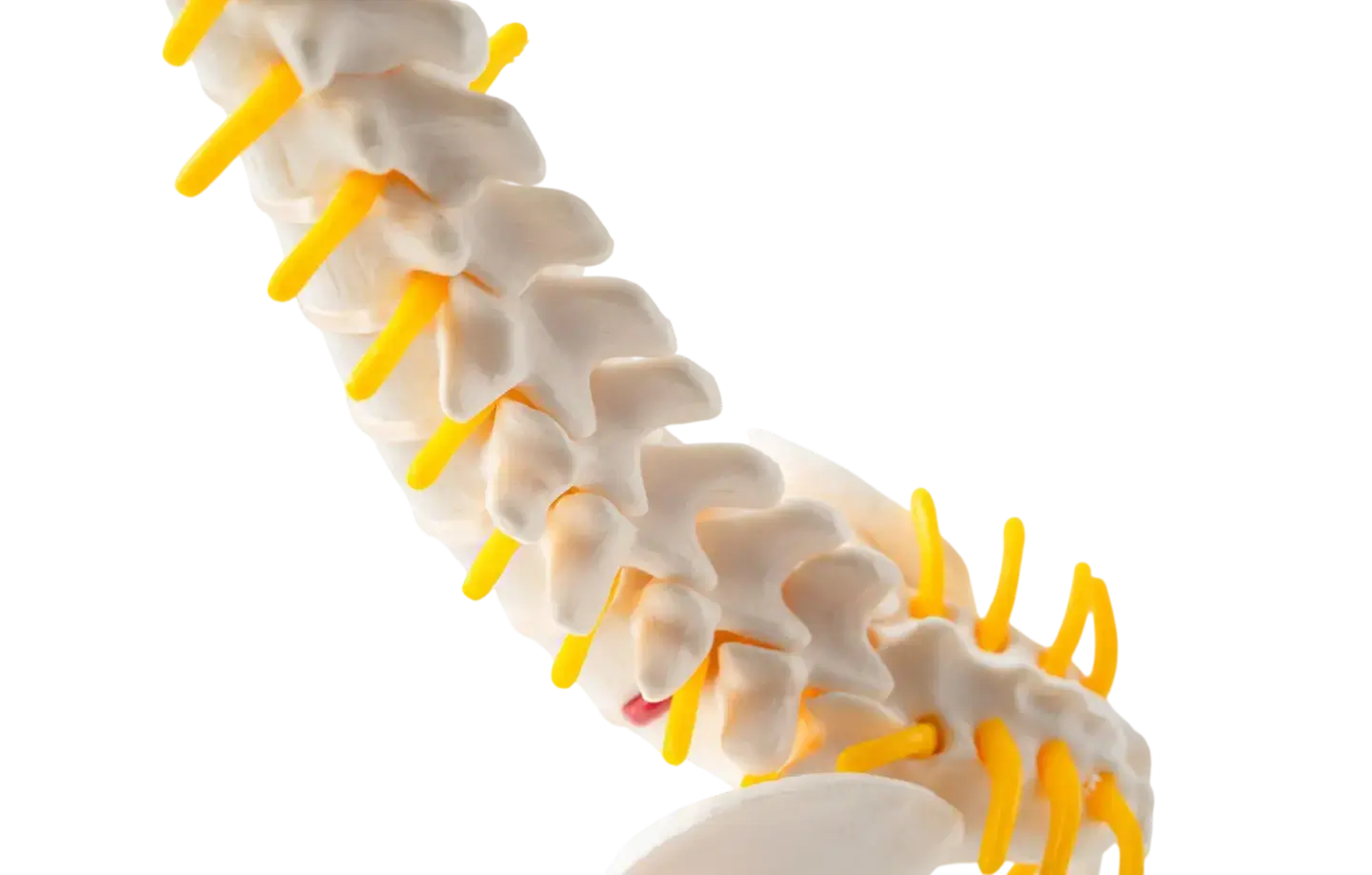
What Is a Pinched Nerve? Understanding the Causes, Symptoms, and Treatment Options
One of the most common questions I hear from patients is, “Do I have a pinched nerve?”
Many people use the term “pinched nerve” to describe pain, numbness, tingling, or weakness that travels into an arm or leg. While these symptoms can certainly be caused by a pinched nerve, there are several conditions that can produce similar symptoms.
As a chiropractor in Roscoe Village, I help patients identify the source of their discomfort and determine whether a pinched nerve or another condition may be contributing to their symptoms. Understanding what’s causing your pain is the first step toward finding the most appropriate treatment.
What Is a Pinched Nerve?
A pinched nerve occurs when excessive pressure is placed on a nerve by surrounding tissues. That pressure may come from muscles, ligaments, bones, joints, or a spinal disc.
When a nerve becomes irritated or compressed, it may not function normally. This can result in pain, numbness, tingling, weakness, or changes in sensation.
A pinched nerve can occur almost anywhere in the body, but it is most commonly found in the neck and lower back.
What Causes a Pinched Nerve?
Several different conditions may contribute to a pinched nerve.
Some of the most common causes include:
Herniated Disc
One of the most frequent causes of a pinched nerve is a herniated disc. When disc material extends beyond its normal boundary, it may irritate a nearby nerve root.
Arthritis
As we age, arthritis can lead to changes in the joints of the spine. Bone spurs and joint degeneration may reduce the available space around spinal nerves.
Joint Restrictions
When spinal joints are not moving properly, surrounding tissues may become irritated and contribute to inflammation and muscle tightness.
Poor Posture
Forward head posture, prolonged sitting, and poor workplace ergonomics can place increased stress on the neck and lower back over time.
Repetitive Activities
Repeated bending, lifting, twisting, or overhead work may contribute to irritation of the spine and surrounding structures.
Common Symptoms of a Pinched Nerve
The symptoms depend on which nerve is affected.
Many patients experience:
- Sharp or shooting pain
- Burning sensations
- Numbness
- Tingling
- Muscle weakness
- Pain that travels into an arm or leg
- Decreased range of motion
Some people notice symptoms only during certain movements, while others experience discomfort throughout the day.
Pinched Nerve in the Neck
A pinched nerve in the neck may cause symptoms that travel into the shoulder, arm, hand, or fingers.
You may notice:
- Neck pain
- Shoulder pain
- Tingling in the fingers
- Arm weakness
- Numbness in the hand
- Difficulty turning your head
Many patients initially believe they injured their shoulder when the true source of the symptoms is actually the neck.
Pinched Nerve in the Lower Back
A pinched nerve in the lower back commonly affects the sciatic nerve or one of the nerve roots that form it.
Symptoms may include:
- Lower back pain
- Pain traveling into the buttock
- Pain down the leg
- Tingling in the foot
- Numbness
- Muscle weakness
These symptoms are often referred to as sciatica.
Can Chiropractic Care Help a Pinched Nerve?
Many people search for a chiropractor for a pinched nerve because they are looking for a conservative treatment option.
It’s important to understand that chiropractic care does not “fix” every pinched nerve. The first step is determining exactly what is causing the nerve irritation.
During your examination, I evaluate:
- Spinal movement
- Joint mobility
- Posture
- Muscle tension
- Strength
- Flexibility
- Neurological findings
- How your symptoms affect your daily activities
Depending on your diagnosis, your treatment plan may include:
- Chiropractic adjustments
- Soft tissue therapy
- Stretching exercises
- Mobility training
- Strengthening exercises
- Ergonomic recommendations
- Postural correction
The goal is to improve movement, reduce stress on the affected area, and help your body function more efficiently.
Common Mistakes People Make
One mistake I frequently see is ignoring symptoms until they become severe.
Another common mistake is relying only on pain medication while never addressing the underlying cause.
Pain medication may temporarily reduce discomfort, but it may not improve joint movement, posture, muscle imbalance, or the mechanical issues contributing to the problem.
Early evaluation often provides more treatment options and may help prevent symptoms from becoming more persistent.
When Should You Seek Medical Evaluation?
While many pinched nerves improve with conservative care, certain symptoms require prompt medical attention.
Seek immediate medical care if you experience:
- Sudden loss of bowel or bladder control
- Significant weakness in an arm or leg
- Difficulty walking
- Loss of coordination
- Numbness in the groin or saddle area
These symptoms may indicate a more serious condition.
You should also schedule an evaluation if:
- Pain lasts more than a few weeks
- Symptoms continue to worsen
- Numbness or tingling becomes more frequent
- Pain interferes with work or sleep
- Home treatment is not providing relief
How Can You Help Prevent a Pinched Nerve?
Although not every pinched nerve can be prevented, healthy habits may reduce your risk.
I encourage my patients to:
- Maintain good posture throughout the day.
- Take frequent breaks if working at a computer.
- Lift with proper body mechanics.
- Stay physically active.
- Stretch regularly.
- Strengthen the muscles that support the spine.
- Avoid remaining in one position for long periods.
Small changes in your daily routine can help reduce stress on your spine and nervous system.
Helping You Find the Source of Your Pain
Pain, numbness, and tingling can be frustrating, especially when they interfere with work, sleep, or the activities you enjoy.
As a chiropractor in Roscoe Village, my goal is to identify the underlying cause of your symptoms—not simply mask the pain.
At Pure Motion Chiropractic, I take the time to perform a thorough evaluation, explain your diagnosis, and develop an individualized treatment plan designed to improve your mobility, reduce discomfort, and help you return to the activities you enjoy.
If you’re experiencing symptoms that may be related to a pinched nerve, I’d be happy to evaluate your condition and discuss whether conservative chiropractic care may be appropriate for you.