Whiplash After a Car Accident: When Should You See a Chiropractor?
Car accidents can happen in an instant, but the effects on your body can last for weeks, months, or even longer if left untreated. One of the most common injuries I see after an auto accident is whiplash.
Many people assume that if they don’t feel immediate pain after a collision, they must be fine. However, whiplash symptoms often take hours or even days to fully develop.
As a Chiropractor in Roscoe Village, I regularly evaluate patients after car accidents who initially felt okay but later developed neck pain, headaches, stiffness, and other symptoms associated with whiplash injuries.
So when should you see a chiropractor after a car accident? In most cases, the sooner your injury is evaluated, the better.
What Is Whiplash?
Whiplash is a neck injury caused by a sudden back-and-forth movement of the head, similar to the cracking of a whip.
This rapid motion can strain or injure:
- Muscles
- Ligaments
- Tendons
- Joints
- Discs
- Surrounding soft tissues
Whiplash can occur during:
- Rear-end collisions
- Side-impact accidents
- Front-end crashes
- Sports injuries
- Sudden falls
Even low-speed accidents can generate enough force to cause injury.
Common Symptoms of Whiplash
Symptoms can vary from person to person and may not appear immediately.
Common signs include:
- Neck pain and stiffness
- Reduced range of motion
- Headaches
- Shoulder pain
- Upper back pain
- Muscle spasms
- Dizziness
- Fatigue
- Pain between the shoulder blades
Some patients wake up the next morning feeling significantly worse than they did immediately after the accident.
Why You Shouldn’t Ignore Whiplash Symptoms
One of the biggest mistakes I see is waiting weeks or months before seeking treatment.
Untreated soft tissue injuries may lead to:
- Chronic neck pain
- Persistent headaches
- Reduced mobility
- Muscle imbalances
- Ongoing stiffness
Early evaluation allows healthcare providers to assess the injury and create an appropriate treatment plan before compensatory movement patterns develop.
When Should You See a Chiropractor?
Generally speaking, I recommend seeking an evaluation as soon as possible after a car accident, even if symptoms seem mild.
Prompt assessment can help:
- Identify hidden injuries
- Document accident-related symptoms
- Monitor recovery
- Determine appropriate treatment options
If you experience worsening pain, headaches, numbness, tingling, or significant loss of motion, it’s especially important to seek professional evaluation.
Chiropractic and Whiplash
Many patients ask about chiropractic and whiplash recovery.
At Pure Motion Chiropractic, treatment focuses on restoring normal movement and reducing restrictions that may develop following an injury.
Depending on the patient’s condition, care may include:
- Chiropractic adjustments
- Soft tissue therapy
- Gentle mobility exercises
- Stretching recommendations
- Postural guidance
- Rehabilitation strategies
Every injury is different, so treatment plans are individualized based on symptoms, examination findings, and overall health history.
How to Treat Whiplash Conservatively
Many patients are looking for answers regarding how to treat whiplash without relying solely on medication.
Conservative treatment approaches may include:
Early Movement
Appropriate movement often helps maintain mobility and reduce stiffness.
Ice and Heat
These may help manage discomfort depending on the stage of recovery.
Soft Tissue Therapy
Addressing muscle tension can improve comfort and mobility.
Chiropractic Care
Improving joint motion and spinal function may support recovery when appropriate.
Rehabilitation Exercises
Targeted exercises help restore strength, flexibility, and stability.
What to Expect During a Whiplash Evaluation
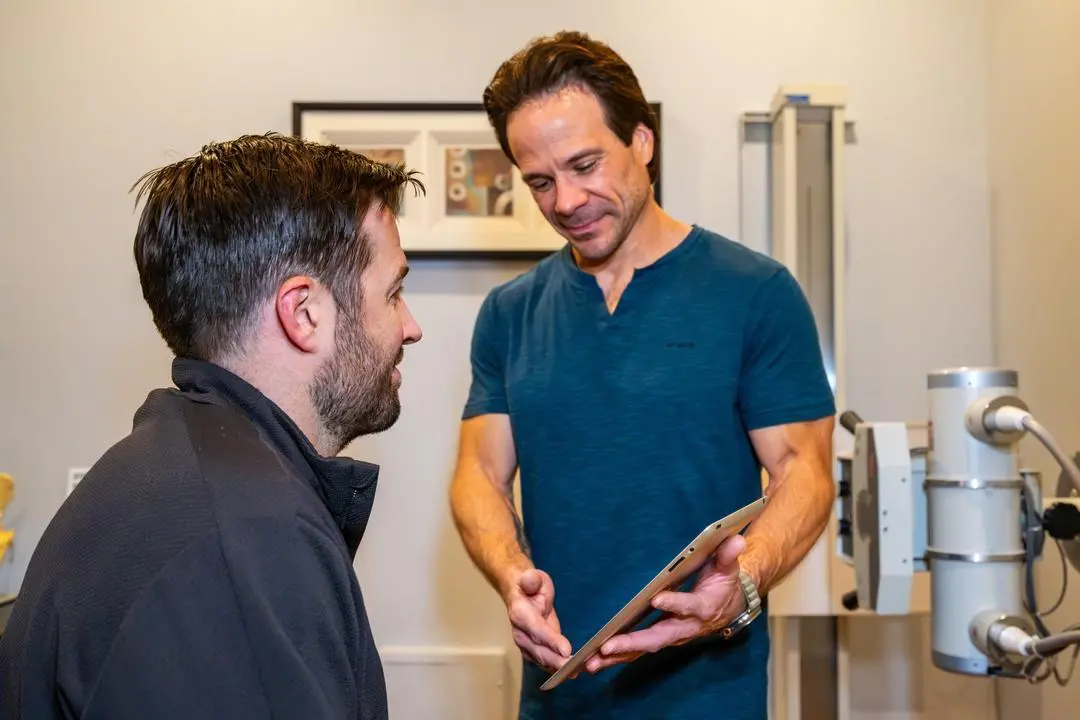
When patients visit my office after a car accident, I perform a thorough assessment that may include:
- Health history review
- Orthopedic testing
- Neurological evaluation
- Range-of-motion assessment
- Postural examination
- Imaging referrals when clinically appropriate
The goal is to determine the extent of the injury and identify the safest, most effective treatment options.
Don’t Wait for the Pain to Get Worse
One of the most important things I tell patients is that symptoms don’t always appear immediately after an accident.
If you’ve recently been involved in a collision, it’s worth having your spine and soft tissues evaluated, even if discomfort seems minor at first.
At Pure Motion Chiropractic, I provide personalized whiplash treatment and conservative care designed to help patients recover safely and restore function.