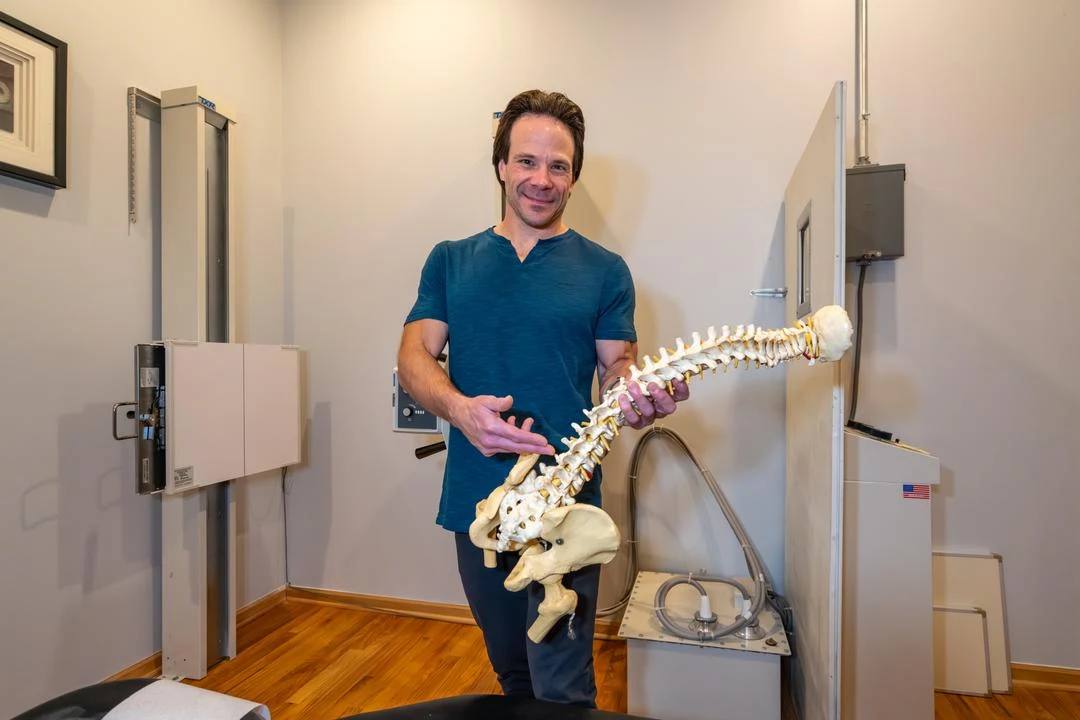
How to Prevent Back and Neck Pain While Traveling
Traveling is a great way to explore new places, spend time with family, and take a break from your everyday routine. However, long flights, extended car rides, heavy luggage, and hours of sitting can take a toll on your back and neck.
Whether you’re flying across the country or driving several hours for a vacation, travel-related stiffness and discomfort can make it difficult to enjoy your trip.
At Pure Motion Chiropractic, I often remind patients that maintaining good movement habits is important even when you’re away from home. A few simple adjustments before and during your travels can help reduce unnecessary strain and keep your body feeling more comfortable.
Why Does Traveling Cause Back and Neck Pain?
Travel often involves spending more time sitting than you normally would. Remaining in one position for extended periods can contribute to muscle stiffness, joint discomfort, and tension throughout your back and neck.
Several common travel habits may contribute to discomfort:
- Prolonged sitting: Remaining seated for hours can make your lower back and hips feel stiff.
- Poor neck positioning: Looking down at your phone or leaning toward a laptop can increase neck muscle fatigue.
- Heavy luggage: Lifting suitcases into overhead compartments or car trunks can place additional demands on your back and shoulders.
- Limited movement: Sitting for extended periods reduces opportunities to change positions and move your muscles.
- Uncomfortable sleeping positions: Sleeping upright on an airplane or in an unfamiliar hotel bed may contribute to neck stiffness.
- Travel fatigue: Long travel days can make it harder to maintain comfortable posture and movement habits.
The combination of these factors can leave you feeling stiff and uncomfortable before your vacation even begins.
7 Tips to Prevent Back and Neck Pain While Traveling
You don’t have to sacrifice comfort to enjoy a long trip. Making a few simple changes to how you sit, move, and handle luggage can help reduce physical strain.
1. Maintain Comfortable Posture During Long Flights
Airplane seats aren’t always designed for ideal comfort, especially during longer flights.
Sitting in a cramped position for several hours can contribute to lower back stiffness and neck tension.
Try these adjustments:
- Sit with your hips positioned toward the back of the seat.
- Use a small lumbar pillow or rolled-up jacket to support the natural curve of your lower back.
- Keep your shoulders relaxed rather than rounded forward.
- Avoid leaning your head forward while watching movies or using your phone.
- Keep frequently used items within easy reach to avoid repeated twisting.
A neck pillow can also help support your head while resting, particularly if it prevents your head from falling forward or sideways.
Remember that even a comfortable sitting position can become uncomfortable when maintained for too long. Changing positions is important.
2. Take Movement Breaks During Long Car Rides
Road trips can be particularly demanding on your lower back because you may remain seated in the same position for several hours.
Whenever possible, plan regular stops during longer drives.
During breaks:
- Get out of the vehicle and walk for a few minutes.
- Gently stretch your hips and legs.
- Perform a few comfortable shoulder rolls.
- Walk around before getting back behind the wheel.
- Adjust your seat position if you notice increasing stiffness.
When driving, position your seat so you can comfortably reach the pedals without stretching your legs excessively. Keep your back supported and your shoulders relaxed.
If you are traveling for several hours, consider stopping approximately every one to two hours when practical.
3. Lift and Handle Luggage Properly
Luggage handling is one of the most common ways travelers unintentionally strain their backs.
Suitcases can be heavy, awkward, and difficult to maneuver, particularly when lifting them into overhead compartments or car trunks.
Use these lifting tips:
- Stand close to your suitcase before lifting.
- Position your feet comfortably apart.
- Bend through your hips and knees.
- Keep the suitcase close to your body.
- Lift smoothly without jerking.
- Avoid twisting while carrying or lifting.
Whenever possible, use rolling luggage rather than carrying heavy bags over one shoulder.
If your suitcase is too heavy to lift comfortably into an overhead compartment, ask for assistance rather than forcing the movement.
4. Avoid Looking Down at Your Phone for Extended Periods
Travel often means spending more time on your phone, whether you’re checking flight information, reading, watching movies, or navigating a new destination.
Looking down for extended periods can increase the workload on your neck muscles and contribute to stiffness.
Try these habits:
- Hold your phone closer to eye level.
- Avoid keeping your head tilted forward for long periods.
- Take breaks from looking at screens.
- Relax your shoulders while texting.
- Change positions regularly when reading or watching videos.
You don’t need to maintain a perfectly upright posture all day. The goal is to avoid staying in one position for too long.
5. Use a Supportive Travel Pillow
Sleeping on an airplane or in a car can sometimes leave you waking up with neck stiffness.
A supportive travel pillow can help maintain a more comfortable head and neck position while resting.
When choosing a travel pillow, consider:
- Whether it supports your head from the sides.
- Whether it prevents your head from falling forward.
- Whether the firmness feels comfortable.
- Whether it works with your usual sleeping position.
Everyone’s neck and sleeping preferences are different, so finding a pillow that fits comfortably is more important than choosing the most expensive option.
6. Pack Light and Distribute Weight Evenly
Overpacking can make traveling more physically demanding than necessary.
Heavy backpacks, oversized purses, and overloaded carry-on bags can contribute to muscle fatigue in your shoulders, neck, and back.
Consider these tips:
- Pack only what you need.
- Use luggage with wheels when possible.
- Distribute weight evenly in backpacks.
- Use both shoulder straps rather than carrying everything on one side.
- Avoid carrying heavy bags for extended periods.
- Keep heavier items close to your body.
A little preparation before leaving home can help reduce unnecessary strain throughout your trip.
7. Stay Active During Your Trip
Travel doesn’t have to mean spending the entire day sitting.
Walking through airports, exploring a new city, or taking short breaks during road trips can help keep your muscles moving.
Try incorporating simple activities throughout the day:
- Take a short walk during airport layovers.
- Walk around during scheduled road trip stops.
- Perform gentle shoulder rolls and neck movements.
- Stretch your hips and legs after prolonged sitting.
- Take walking breaks during sightseeing.
Regular movement can help reduce stiffness and make long travel days more comfortable.
Simple Exercises to Reduce Travel-Related Stiffness
You don’t need a gym or special equipment to keep your body moving while traveling. A few simple exercises can help relieve stiffness associated with prolonged sitting.
1. Shoulder Rolls
Shoulder rolls help move the muscles around your upper back and shoulders.
How to do it:
- Sit or stand comfortably.
- Slowly raise your shoulders toward your ears.
- Roll them backward and downward.
- Repeat five to ten times.
- Reverse the direction if comfortable.
This is an easy exercise to perform during airport layovers or rest stops.
2. Gentle Neck Rotations
Gentle neck movements can help reduce stiffness after spending time looking at screens or sitting in one position.
How to do it:
- Sit upright with your shoulders relaxed.
- Slowly turn your head toward one shoulder.
- Return to the center.
- Repeat on the opposite side.
- Perform five repetitions in each direction.
Stay within a comfortable range and avoid forcing your neck through the movement.
3. Standing Hip Flexor Stretch
Sitting for extended periods can leave the muscles around your hips feeling tight.
How to do it:
- Stand with one foot in front of the other.
- Slightly bend your front knee.
- Gently shift your weight forward while keeping your trunk upright.
- You should feel a mild stretch in the front of the hip of your back leg.
- Hold for 15–20 seconds and switch sides.
Use a wall or stable surface for balance if needed.
4. Standing Back Extension
After prolonged sitting, some people find gentle standing back extensions comfortable.
How to do it:
- Stand with your feet comfortably apart.
- Place your hands on your hips.
- Gently lean backward within a comfortable range.
- Return to a neutral standing position.
- Repeat five times if comfortable.
Avoid this movement if it increases your symptoms or causes pain to travel into your legs.
5. Walking Breaks
Walking is one of the simplest ways to break up prolonged sitting.
During travel stops or airport layovers, walk for a few minutes at a comfortable pace. This helps change your body position and gets your hips, legs, and back moving again.
The goal isn’t an intense workout. It’s simply to avoid remaining stationary for hours at a time.
What Should You Do If Your Back Hurts After Traveling?
Even with good travel habits, you may experience stiffness or discomfort after a long flight or road trip.
If you notice back or neck discomfort after traveling:
- Take a comfortable walk.
- Avoid immediately lifting heavy luggage or other objects.
- Change positions regularly.
- Try gentle movement rather than remaining in bed all day.
- Use heat or cold if it provides relief.
- Give your body time to recover before returning to strenuous activities.
If your pain persists, worsens, or radiates into your arms or legs, consider seeking a professional evaluation.
New weakness, significant numbness, or loss of bladder or bowel control requires prompt medical attention.
Can Chiropractic Care Help With Travel-Related Back and Neck Pain?
Long periods of sitting, limited movement, and luggage handling can contribute to musculoskeletal discomfort in the back and neck.
For some people, chiropractic care may be an appropriate component of a conservative treatment approach.
At Pure Motion Chiropractic, I take an individualized approach to evaluating back and neck discomfort and identifying factors that may be contributing to your symptoms.
Depending on your examination findings, care may include:
- Spinal mobility assessment: Evaluating movement and identifying areas of restricted mobility.
- Manual therapy: Using appropriate hands-on techniques to address musculoskeletal discomfort.
- Posture and ergonomic guidance: Discussing comfortable sitting positions and travel habits.
- Stretching and strengthening exercises: Recommending exercises to support your neck, back, and core.
- Movement recommendations: Helping you develop strategies to reduce stiffness during long periods of sitting.
Chiropractic care may complement an active approach to managing certain types of back and neck pain. Treatment recommendations should always be based on your individual symptoms and health history.
Enjoy Your Next Trip Without Unnecessary Back and Neck Pain
Traveling should be about enjoying your destination, not dealing with stiffness and discomfort from sitting in an airplane or car for hours.
By taking movement breaks, handling luggage properly, using supportive seating, and staying active throughout your trip, you can help reduce unnecessary strain on your spine.
A little preparation can make a big difference, whether you’re taking a short road trip or traveling internationally.
If you’re experiencing back or neck discomfort before or after traveling, Pure Motion Chiropractic in Roscoe Village, Chicago, can help you explore conservative treatment options.
Contact Pure Motion Chiropractic to learn more about chiropractic care and ways to keep your back and neck feeling their best.
This article is for educational purposes only and is not a substitute for individualized medical advice, diagnosis, or treatment.