The Difference Between Muscle Pain and Nerve Pain
One of the most common questions I hear from patients is, “How do I know if my pain is coming from a muscle or a nerve?”
As a Chicago chiropractor, I see many people experiencing neck pain, back pain, shoulder discomfort, and pain that travels into the arms or legs. While these symptoms may feel similar, muscle pain and nerve pain are actually very different—and understanding the difference can help guide the most appropriate treatment.
At Pure Motion Chiropractic, I believe that understanding the source of your pain is one of the first steps toward lasting relief.
What Is Muscle Pain?
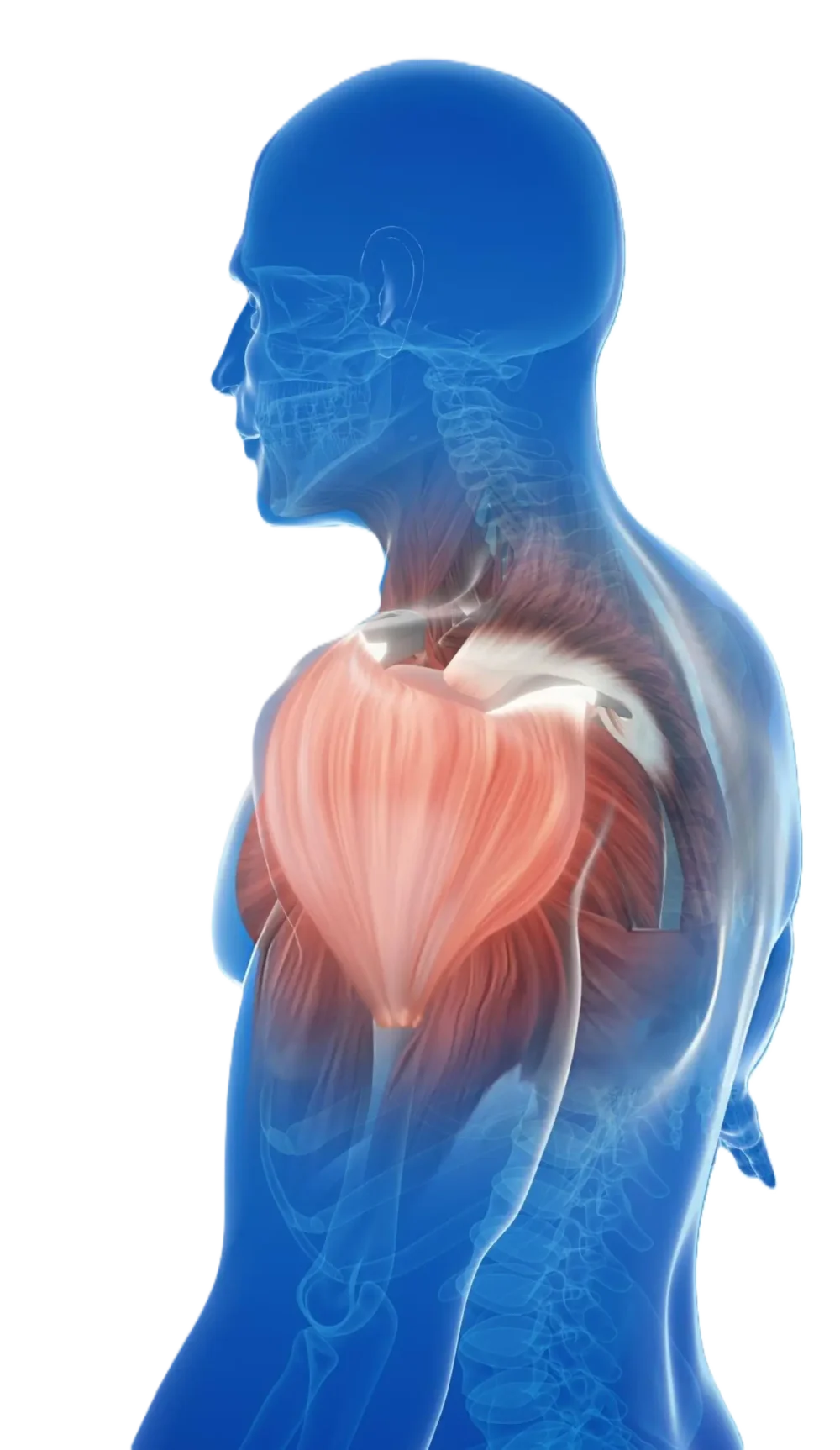
Muscle pain, also known as muscular pain or myofascial pain, is usually caused by:
- Overuse
- Poor posture
- Stress
- Exercise injuries
- Prolonged sitting
- Repetitive movements
Muscle pain tends to feel:
- Achy
- Tight
- Sore
- Crampy
- Stiff
Most patients describe it as a dull, localized discomfort that becomes worse with certain movements or after a long day.
Common areas for muscle pain include:
- Neck
- Shoulders
- Upper back
- Lower back
- Hips
Signs Your Pain Is Likely Muscular
Muscle pain often:
- Improves with stretching
- Responds to massage or heat
- Feels tender to touch
- Increases after physical activity
- Causes stiffness instead of numbness
For example, spending eight hours at a desk can create tight muscles in the neck and shoulders that lead to soreness and headaches.
Many patients seeking muscle pain treatment are surprised to discover that poor posture and lack of movement are major contributors to their symptoms.
What Is Nerve Pain?
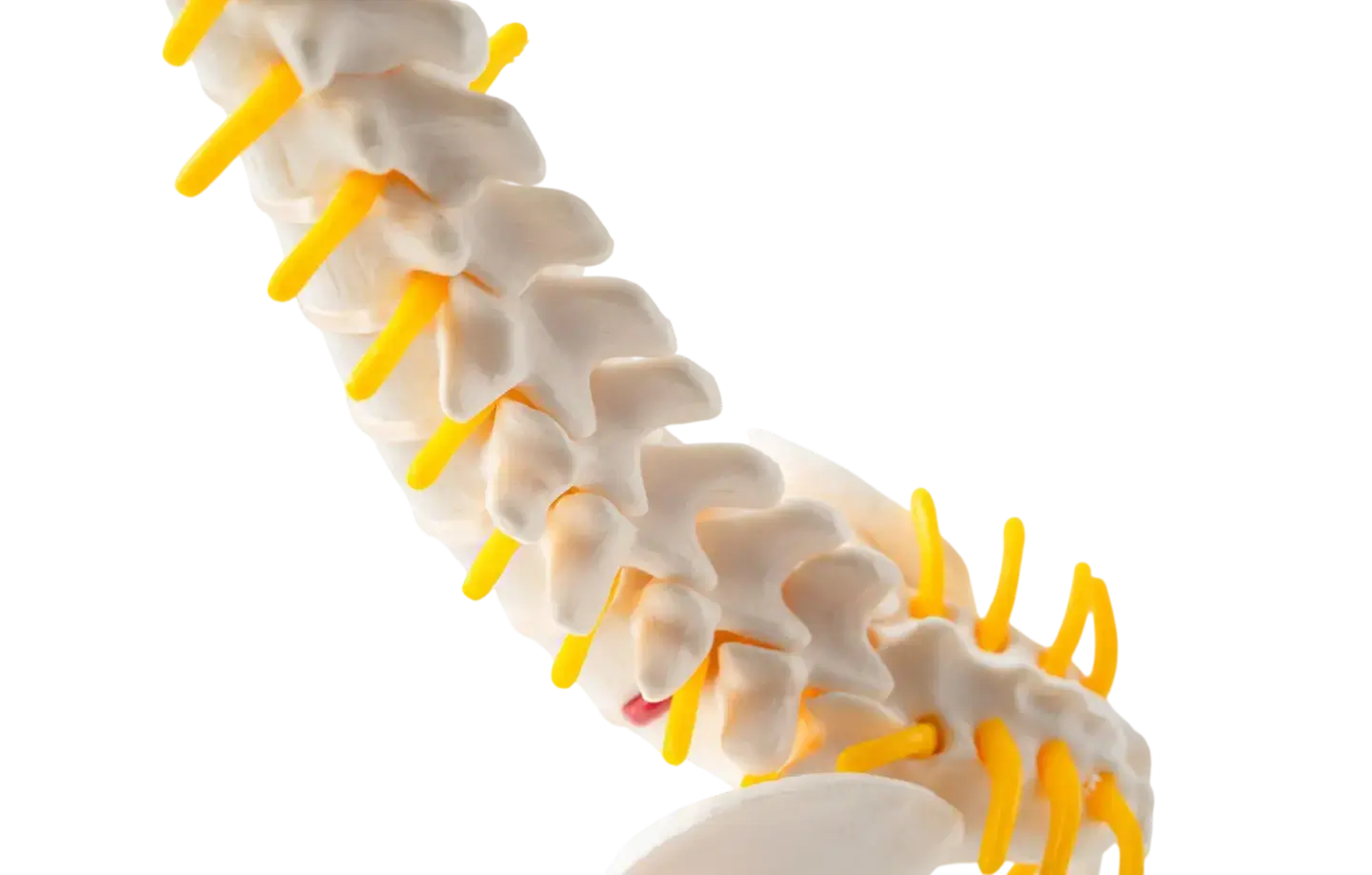
Nerve pain occurs when a nerve becomes irritated, inflamed, or compressed.
Common causes include:
- Herniated discs
- Sciatica
- Spinal stenosis
- Joint inflammation
- Repetitive stress injuries
Unlike muscle pain, nerve pain often travels beyond one location.
Patients commonly describe nerve pain as:
- Burning
- Tingling
- Sharp
- Electric
- Shooting
Symptoms may travel into:
- Arms
- Hands
- Buttocks
- Legs
- Feet
Numbness and weakness are additional warning signs that nerve involvement may be present.
Signs Your Pain May Be Nerve-Related
Nerve pain often:
- Radiates into the arms or legs
- Produces numbness or tingling
- Feels sharp or burning
- Causes weakness
- Worsens with certain positions
Sciatica is one of the most common examples of nerve pain that I treat as a Chiropractor in Roscoe Village.
Can You Have Both?
Absolutely.
In fact, many patients have both muscle and nerve involvement.
For example, a disc injury may irritate a nerve while also causing surrounding muscles to tighten and spasm. The muscles often react to protect the injured area, creating additional discomfort.
This is why identifying the source of pain is so important.
Muscle Pain Treatment
Muscle pain treatment depends on the underlying cause, but conservative options often include:
- Stretching
- Mobility exercises
- Massage therapy
- Heat or ice
- Strengthening exercises
- Improved posture
As a Chicago chiropractor, I frequently work with patients whose muscular pain is related to poor posture, prolonged sitting, and repetitive daily stress.
Nerve Pain Treatment
Nerve pain treatment focuses on reducing irritation and restoring normal movement.
Treatment may include:
- Chiropractic adjustments
- Soft tissue therapy
- Rehabilitation exercises
- Postural correction
- Activity modification
- Ergonomic recommendations
Because nerve pain can sometimes indicate more serious conditions, a proper evaluation is important to determine the most appropriate treatment approach.
How Chiropractic Can Help Muscle Pain
Many people are surprised to learn that chiropractic can help muscle pain by improving joint mobility and reducing stress placed on surrounding tissues.
At Pure Motion Chiropractic, treatment may include:
- Chiropractic adjustments
- Soft tissue therapy
- Stretching recommendations
- Postural education
- Home exercises
- Lifestyle modifications
My goal is not simply to mask symptoms, but to identify why pain developed in the first place and help patients move better and feel better.
When Should You Seek Professional Evaluation?
I recommend seeking an evaluation if you experience:
- Persistent pain lasting several weeks
- Pain radiating into the arms or legs
- Numbness or tingling
- Weakness
- Frequent headaches
- Difficulty performing daily activities
Early evaluation often helps prevent minor issues from becoming chronic problems.
If you’re looking for a Chiropractor in Roscoe Village or a trusted Chicago chiropractor, I’d be happy to help determine whether your symptoms are coming from muscle irritation, nerve involvement, or a combination of both.
Understanding the source of your pain is the first step toward finding the right solution and getting back to doing the things you enjoy.