Whiplash Care in Roscoe Village, Chicago IL

After an accident or impact, neck symptoms can appear later and spread beyond the neck. A timely spine-focused exam can help catch hidden strain early and prevent ongoing problems.

After a Crash or Impact, Don’t Ignore the Neck

Whiplash is commonly linked to rear-end collisions, where the neck is suddenly jolted. It can also happen during contact sports, falls, or other physical trauma. What makes whiplash tricky is that many people feel “okay” at first—then weeks later begin dealing with persistent discomfort, reduced motion, or symptoms they didn’t expect.

Below, you’ll find what whiplash may involve, what to watch for, and how chiropractic care in Roscoe Village, Chicago IL can support a safe, conservative approach to relief.

Signs People Often Notice After Whiplash

Being “cleared” doesn’t always rule out joint or soft-tissue injury.

What Whiplash May Involve

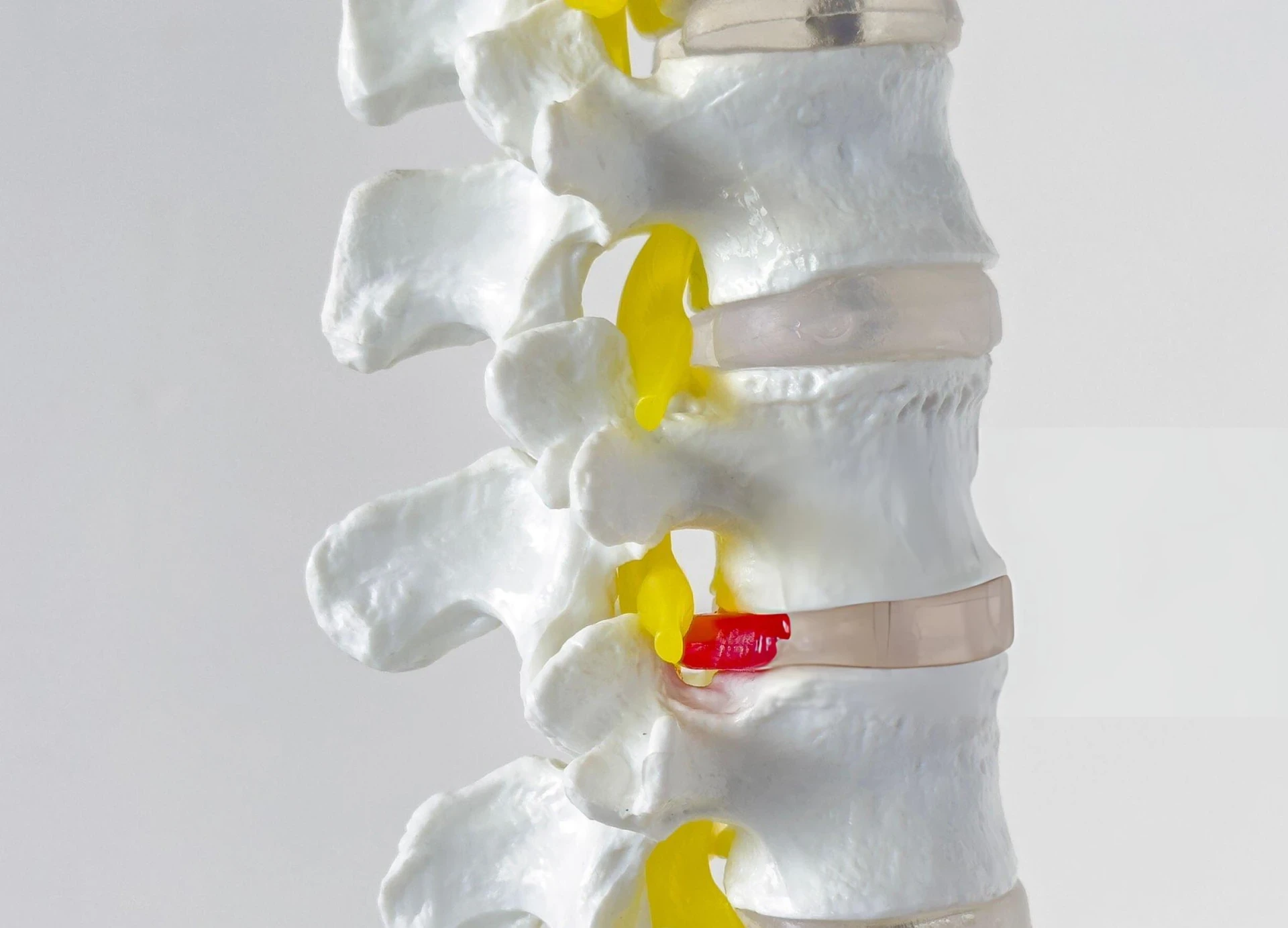
The initial jolt is only part of the picture—whiplash can affect joints, discs, nerves, and supporting tissue.

image of nerve system model with hernia

Possible effects we look for

Because these structures can be affected in different ways, a detailed exam—and x-rays when appropriate—helps determine what’s contributing to symptoms and how to proceed safely.

A Conservative Approach to Whiplash Relief

We focus on careful assessment, gentle care, and steady progress—based on what your body shows during examination.

Step

1

Assess the Injury Pattern

We review the incident, check mobility and neurological signs, and decide whether imaging is needed—especially if the impact was significant or symptoms are increasing.

Step

2

Gentle, Targeted Care

Chiropractic adjustments are designed to be non-invasive and specific, helping reduce discomfort and improve how the neck and upper back move.

Support a Stronger Recovery

We add supportive strategies to help you function better at work, during sleep, and throughout daily activity—so the issue doesn’t keep returning.

Step

3

Common Assumptions vs. What We Often See

Myth​

Reality​​

Get Your Neck Checked Sooner, Not Later

If you’ve had a recent accident or impact and symptoms are lingering—or showing up late—schedule a visit. Early attention can make recovery smoother and help prevent chronic issues.

Whiplash FAQs

Why do some whiplash symptoms show up weeks later?

Whiplash can involve soft tissue, joint, and nerve irritation that isn’t always obvious right away. Symptoms may build as inflammation increases or as the body compensates.

Headaches, shoulder/arm pain, dizziness, fatigue, tingling in the arms or hands, ringing in the ears, and sleep difficulty can all be associated.

It can. Even lower-speed impacts can create enough force to strain the neck—especially if headrest height or positioning wasn’t ideal.

Not always, but a thorough exam can determine if imaging is appropriate—especially when impact was severe, symptoms are worsening, or there’s concern about structural injury.

Chiropractic care uses gentle, specific adjustments and conservative strategies aimed at easing discomfort, improving motion, and supporting recovery of the spine and surrounding tissues.