Scoliosis Care in Roscoe Village, Chicago IL

Scoliosis can start as a small curve and progress over time. Early, conservative chiropractic care may help support posture, comfort, and spinal function.

When a Curve Starts to Progress

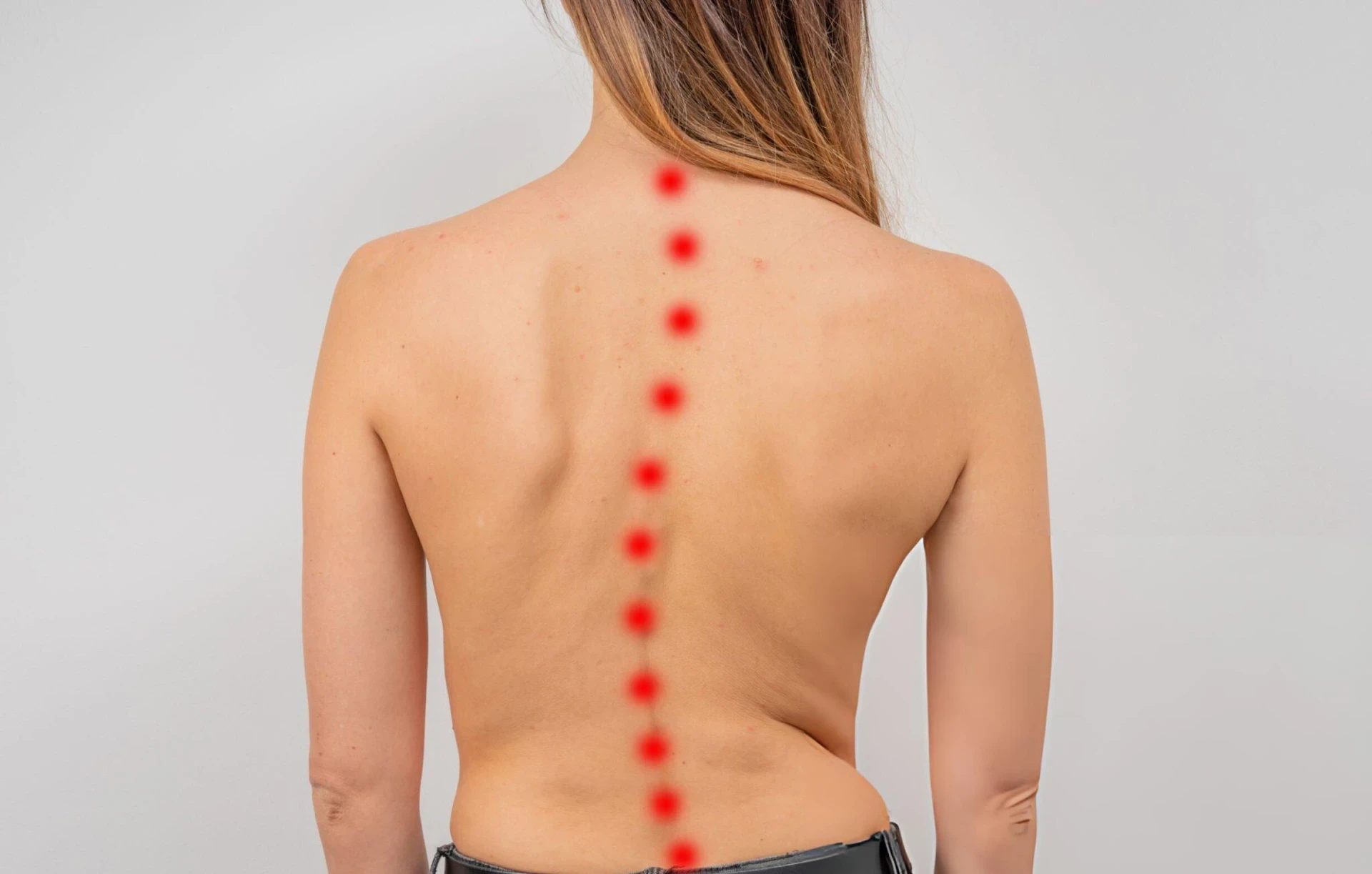
Scoliosis is a sideways curve of the spine, diagnosed when the curve measures more than 10 degrees to the right or left. It often starts subtly and becomes more noticeable over time as the body compensates to keep the head level.

The earlier scoliosis is recognized, the more options you have to help slow progression. Below, you’ll learn how scoliosis develops, how it can affect overall health, how it’s identified, and how chiropractic care in Roscoe Village, Chicago IL can support a conservative plan for spinal health.
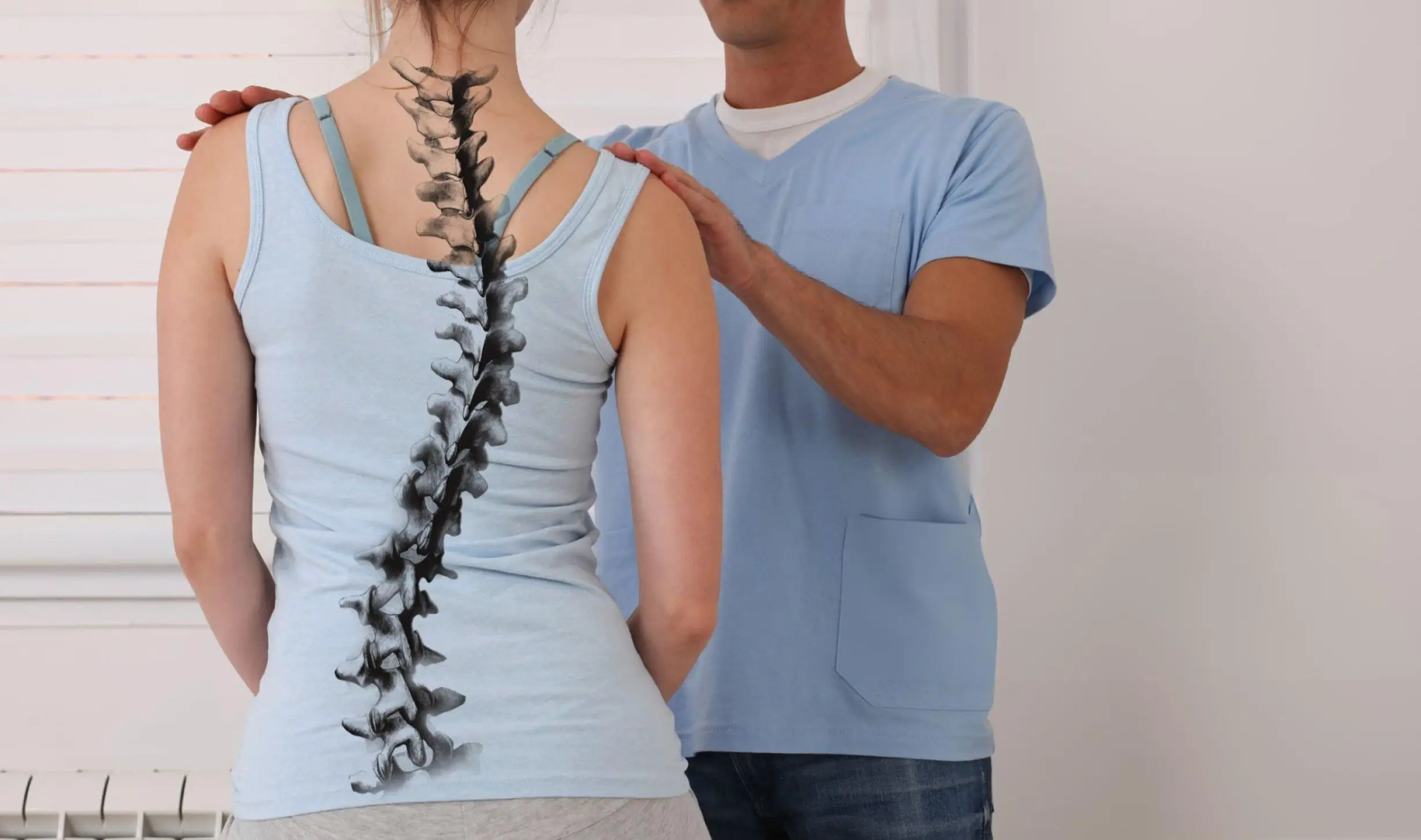

Common Signs of Scoliosis

Often, someone close to the person notices the changes first.

How Scoliosis Can Develop Over Time

In many cases, scoliosis starts small. As the body adapts, muscles and posture patterns can reinforce the curve—making it more noticeable over time.

Scoliosis During Growth Years

Many cases begin during periods of rapid development—often around ages 10–12—when posture and spinal changes can progress quickly. What starts as a minor bend may become more established as the body builds muscle patterns to compensate.

Why it matters

Early screening can help families act sooner with a conservative plan.

Scoliosis in Adults

Scoliosis can also develop later in life. In adults, it’s often linked to degenerative changes—such as conditions that affect bone strength and spinal stability over time.

Why it matters

Identifying contributing factors helps guide the most appropriate care approach.

Take a Proactive Step for Your Spine

If you’ve noticed posture changes or recurring back tension, a focused assessment can provide clarity. A conservative approach early on may help support comfort, stability, and long-term spinal health.

What Are the Possible Consequences of Scoliosis?

When scoliosis and its contributing factors are left unaddressed, the curve and compensation patterns can affect comfort, movement, and overall function.

How Scoliosis Is Identified

Scoliosis is often first noticed visually. A structured exam and, when needed, imaging can confirm the curve and its degree.

Step

1

1. Visual & Movement Screening

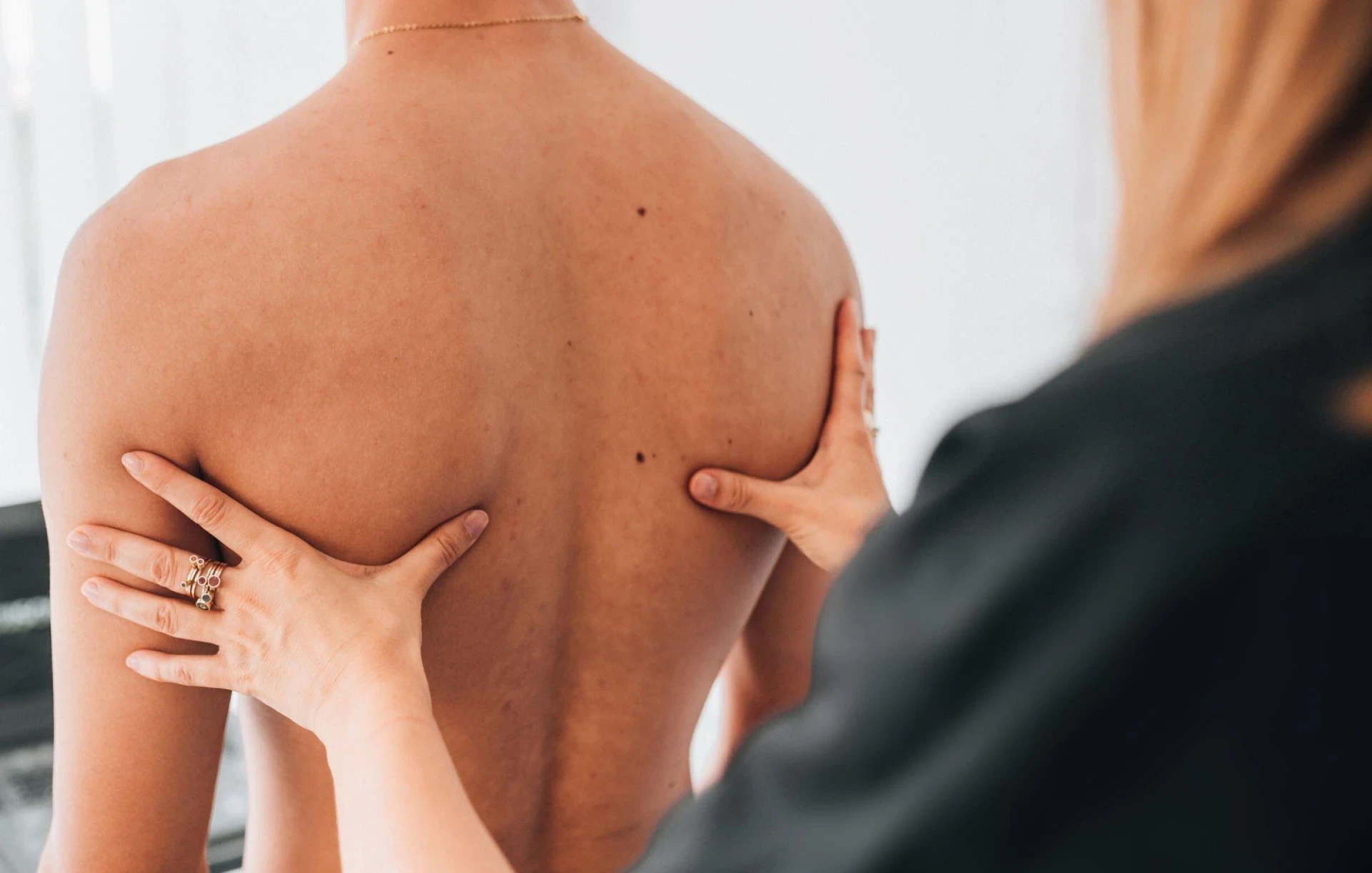
A clinician checks posture, gait, and overall symmetry—looking for uneven shoulders, pelvis imbalance, or a visible curve.

Step

2

2. Adams Forward Bend Test

The patient bends forward while the spine is observed for signs of asymmetry that may suggest a curvature.

3. X-Ray (When Needed)

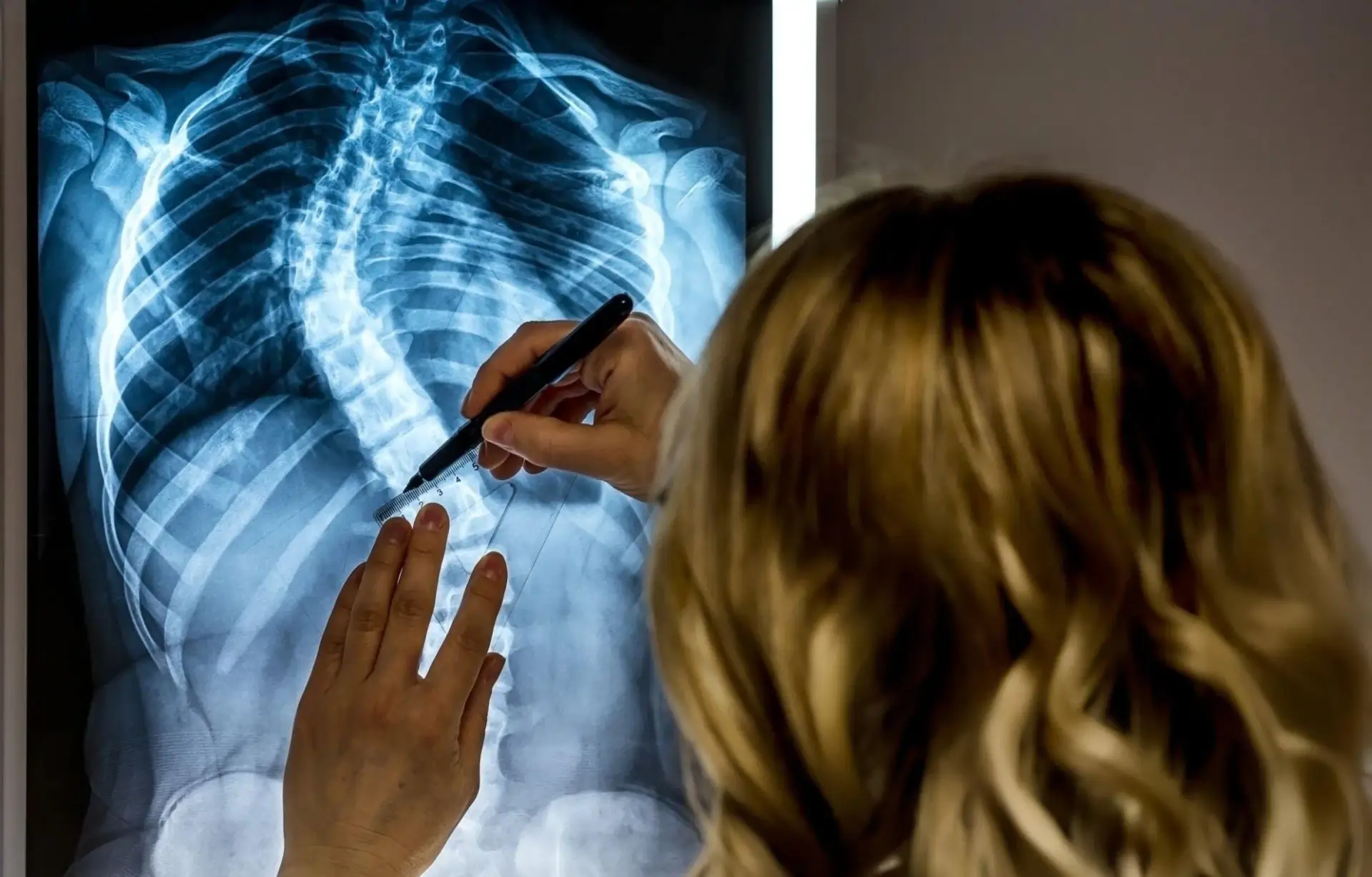
If scoliosis is suspected, imaging can measure the degree of the curve and help guide next steps.

Step

3

Chiropractic Care for Scoliosis in Roscoe Village, Chicago IL

Chiropractic care offers a gentle, conservative approach designed to support spinal function and reduce compensation patterns.

Restore Alignment Support

Help address contributing misalignments and postural stress.

Reduce Compensation Patterns

Encourage more balanced movement and muscular support.

Long-Term Function & Comfort

Support daily mobility, stability, and overall spinal wellness.

Why Choose Pure Motion Chiropractic for Scoliosis?

Scoliosis care should be careful, personalized, and conservative. Our process focuses on assessment, understanding contributors, and supporting long-term spinal health.

Frequently Asked Questions About Scoliosis

How is scoliosis different from poor posture?

Poor posture is often a position you can correct when you “stand up straight.” Scoliosis is a structural sideways curve that may remain even when you try to adjust your posture.

Many people notice uneven shoulders, a hip sitting higher, or clothing that fits unevenly. Sometimes one shoulder blade looks more prominent.

Scoliosis commonly appears during growth spurts, often around ages 10–12. That said, adults can also develop scoliosis later in life.

The exact cause isn’t always clear. It can be linked to postural stress, degenerative changes, or past trauma, and it may progress as the body compensates over time.

A clinician may begin with posture and movement checks, then use the Adams forward bend test. If scoliosis is suspected, an X-ray can measure the curve and confirm its degree.

It can. When contributing factors aren’t addressed, compensation patterns may continue and the curve can become more established over time.