Leg pain that starts in the low back can be sciatica. We’ll help pinpoint the cause and ease irritation with gentle chiropractic care.
When Leg Pain Starts in the Low Back
Sciatica (sometimes called sciatic neuralgia) commonly creates discomfort that travels from the lower back into the buttocks, down the leg, and sometimes into the foot. It can make sitting or standing for long periods frustrating—and may come with tingling, numbness, or weakness.
Many people try to push through it, but unmanaged sciatica can worsen over time. The good news: with the right assessment, chiropractic care can help address the mechanical stress that’s aggravating the nerve so you can move with more confidence again.

Common Sciatica Symptoms
- Pain that radiates down one leg
- Low back and buttock discomfort
- Tingling or “pins and needles”
- Numbness in the leg, ankle, or foot
- Weakness when walking or standing
Sciatica can flare up and settle down—until the underlying stress is addressed.
What's Causing Your Sciatica?
Sciatica usually isn’t random—it often builds quietly over time, then spikes after a simple trigger. These are common contributors we look for during assessment.
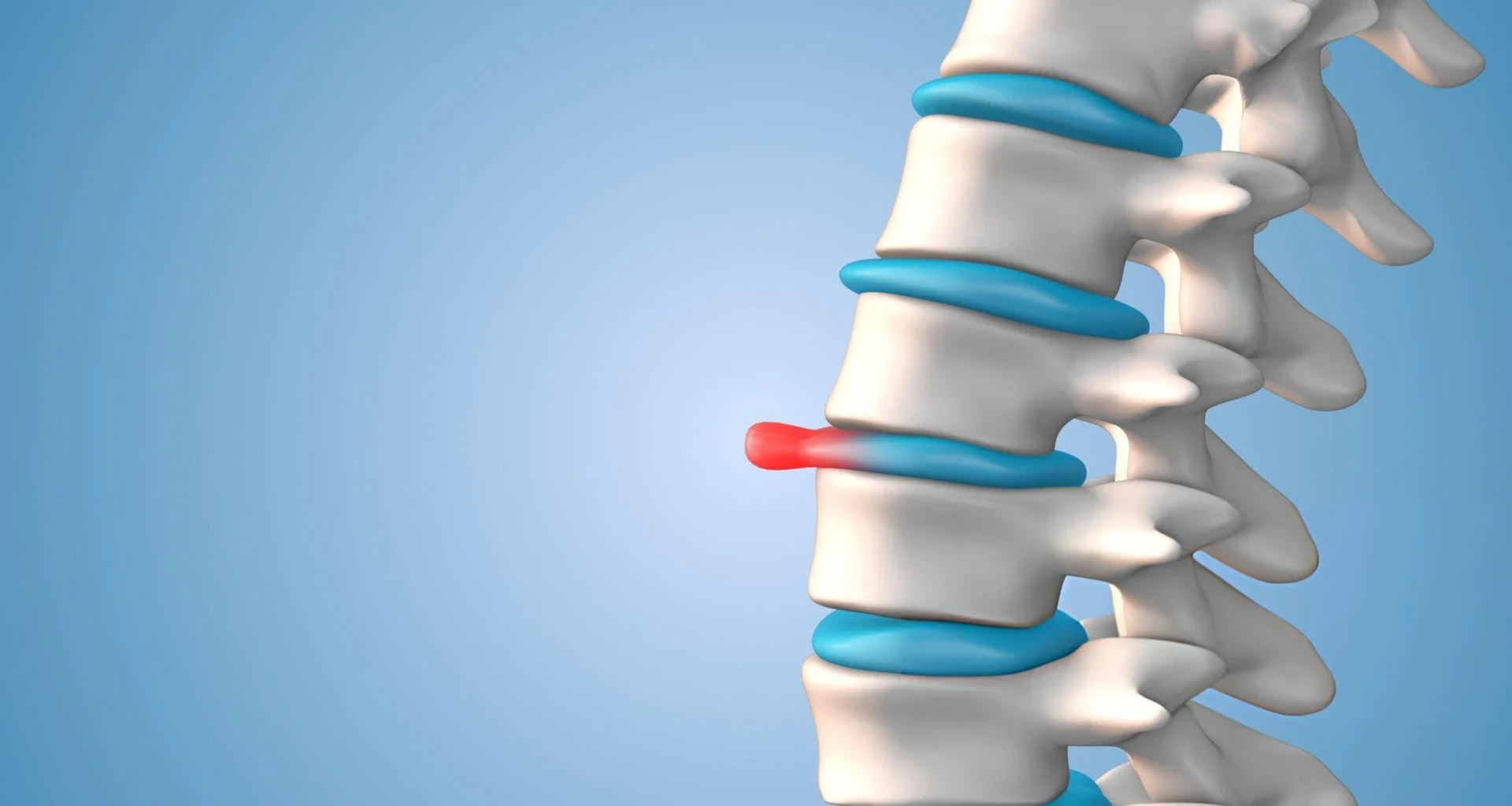
Disc Injuries & Bulges
One of the most common causes of sciatica is a disc issue in the low back. When a disc bulges or becomes irritated, it can press on nearby nerve roots—creating pain that travels down the leg.
- Pain that extends below the knee
- Symptoms that worsen with sitting
- Tingling or numbness into the foot
How chiropractic can help
After assessment, gentle adjustments may help improve spinal mechanics and reduce ongoing irritation around the affected area.

Subluxations (Spinal Misalignments)
When the lower spine isn’t moving or aligning well, it can increase stress on the tissues around the sciatic nerve. Misalignments may develop from posture patterns, pregnancy-related changes, or past injuries.
- Recurring flare-ups
- Tightness through the hips and low back
- Pain triggered by certain movements
How chiropractic can help
Care is tailored to restore healthier motion and alignment so the body can recover more efficiently.
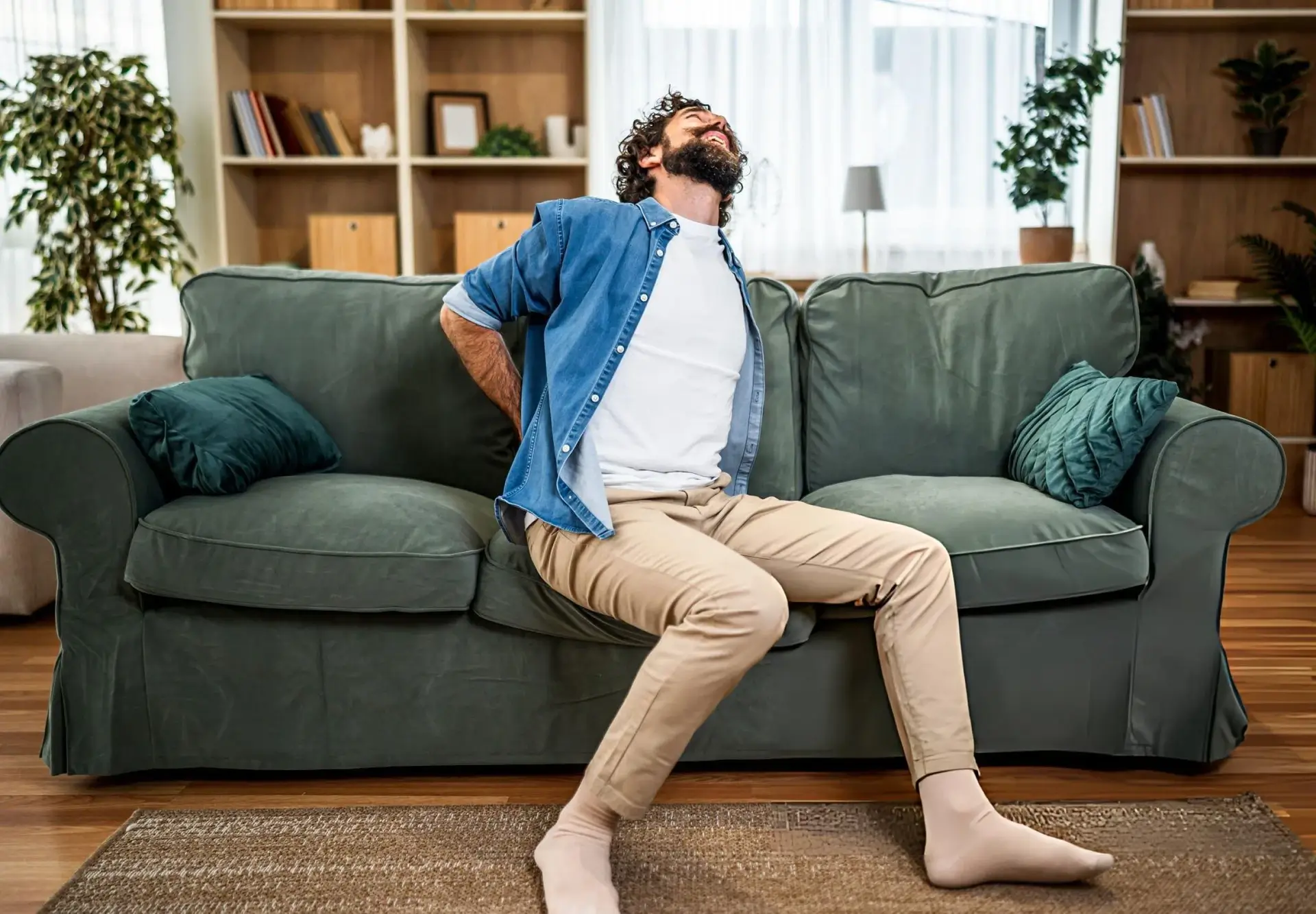
Posture, Repetitive Stress, or Past Trauma
Long-term posture strain, repetitive lifting, and old injuries can gradually load the low back until a small movement—like bending to pick something up—sets off intense pain. Often, the trigger is “small,” but the condition has been developing for a while.
- Sudden pain after bending or lifting
- Stiffness that builds during the day
- Discomfort after repetitive activity
How chiropractic can help
By addressing movement restrictions and stress patterns, chiropractic care can help reduce how often sciatica returns.
How Long Does Sciatica Relief Take?
Recovery can look different for each person. It often depends on whether the main issue involves the disc, joints, or both—and how long symptoms have been present.

Thorough Assessment
We start by identifying the most likely source of irritation and ruling out red flags, so care is focused and appropriate.

Gentle Corrections
Some people respond quickly, while others need more time—especially if the condition has been building for months or years.

Long-Term Support
As the spine and surrounding tissues improve, many patients notice better daily comfort and fewer recurring flare-ups.
Chiropractic Care for Sciatica in Roscoe Village, Chicago IL
Our goal is to help you move better, feel steadier, and reduce the cycle of recurring sciatic pain.
- Identify whether discs or joints are contributing
- Provide gentle, non-invasive adjustments
- Support natural alignment and recovery
- Help reduce recurring flare-ups over time
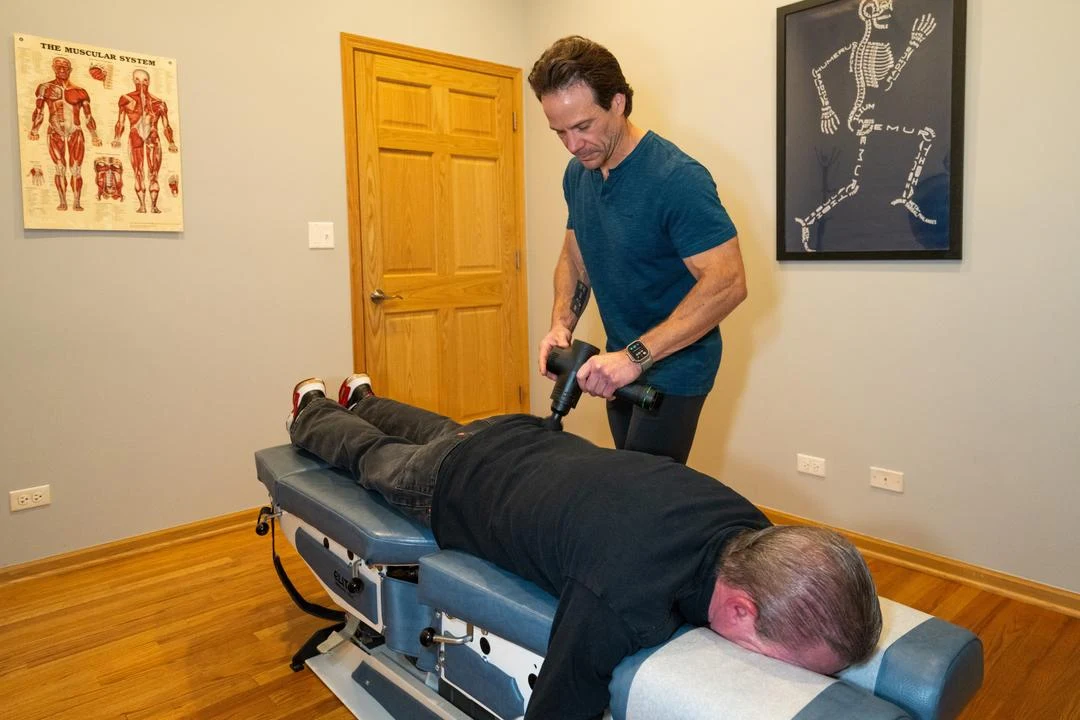
Stop Letting Flare-Ups Control Your Week
Sciatica can make everyday tasks feel unpredictable. We’ll help you get a clear plan—so you can feel more steady and confident in your day.

Frequently Asked Questions About Sciatica Treatment
How can I tell if what I’m feeling is sciatica?
Sciatica often feels like pain that starts in the low back or buttocks and travels down the leg—sometimes reaching the ankle or foot. It may also come with tingling, numbness, or weakness.
Why do my symptoms get worse when I sit or stand too long?
Sciatica can make certain positions irritating for the nerve. Many people notice flare-ups when they stay in one posture for extended periods, especially sitting or standing.
Can sciatica come and go over time?
Yes. Sciatic pain often appears in episodes—settling down for a while, then returning with varying intensity. If it’s not addressed, it may gradually become more frequent or severe.
What happens if sciatica is left untreated?
Symptoms can continue to worsen, and in some cases the nerve may become more seriously irritated over time. That’s why early assessment matters when pain keeps returning.
What’s the most common cause of sciatica?
Disc injuries or bulges are a common cause, where the disc presses on a nerve root. Posture strain, repetitive stress, pregnancy-related changes, and past trauma can also contribute.
Why did it flare up after something small, like bending over?
Often, the condition has been developing quietly for a while. The “small” movement is just the final trigger that brings the pain to the surface.
How does chiropractic care help with sciatica?
After a thorough assessment, chiropractors use gentle adjustments to improve how the spine and surrounding joints are functioning, helping the body recover its natural alignment.