Neck pain shouldn’t control your day. We find what’s causing it and use gentle chiropractic care to help you move comfortably again.
Understanding the Source of Neck Pain
Neck pain doesn’t always stay in the neck. It can contribute to headaches, shoulder tension, upper-back discomfort, and sore, overworked muscles. When pain limits movement, the surrounding muscles can weaken over time—making flare-ups easier to trigger.
The most effective plan starts with understanding why your neck is hurting. Once the source is identified, chiropractic care can be a practical alternative to symptom-only options by addressing alignment, nerve irritation, and the mechanical stress that keeps the problem going.

Common Neck Pain Signs
- Pain when turning your head or looking down
- Tight shoulders or upper-back tension
- Headaches that start near the neck
- Muscle spasms or stiffness in the neck
- Discomfort that affects daily tasks (driving, work, sleep)
If your symptoms keep returning, the cause may be structural—not just “tight muscles.”
Common Neck Pain Triggers
Understanding what’s triggering your neck pain helps guide the right next step—whether it’s changing a habit, improving support, or addressing deeper structural stress.

Trauma & Whiplash
Sudden impacts—like car accidents, sports injuries, or hard falls—can strain the joints and soft tissue of the neck. Even when symptoms start mild, irritation can build as the body compensates.
- Reduced range of motion
- Neck stiffness and headaches
- Shoulder and upper-back tension
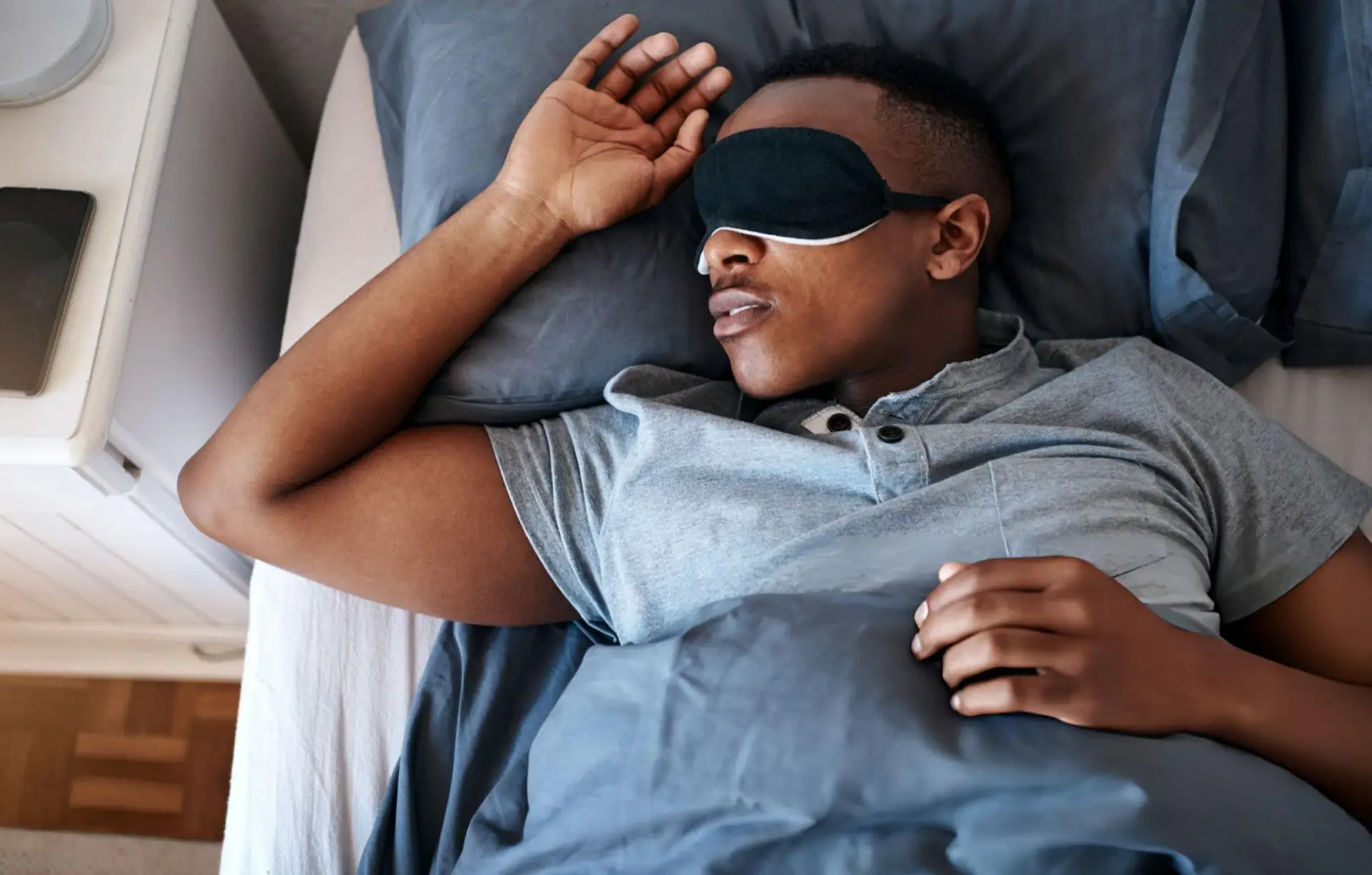
Sleeping Position & Support
Your neck needs support that keeps your head and spine in a neutral position. The wrong pillow height or sleeping angle can leave joints irritated and muscles tight by morning.
- Waking up stiff or sore
- Pain that improves later in the day
- Tension from poor support

Poor Posture & Screen Time
Hours of looking down at phones or leaning forward at a desk can overload the neck. Over time, posture stress may pull the spine out of alignment and make symptoms easier to trigger.
- “Tech neck” tension
- Tight traps and shoulders
- Pain after work or long drives

Repetitive Stress & Overuse
Repeated motions—lifting, carrying, overhead work, or constant turning—can inflame joints and strain muscles. When the area is already sensitive, small stressors can cause big flare-ups.
- Recurring tightness
- Pain during activity
- Spasms and fatigue

Joint & Structural Issues
Some neck pain is tied to joint irritation, alignment problems, or underlying structural changes. When the spine is not moving well, nerves may become irritated—creating tension patterns that spread to the head, shoulders, and upper back.
- Restricted motion
- Persistent stiffness
- Pain that keeps returning
When the Neck Is Misaligned, the Whole System Can Feel It
Many neck pain causes either stem from—or eventually affect—spinal alignment. When neck muscles go into spasm, they can pull the spine off balance. A misalignment may irritate nearby nerves, increasing tension and discomfort and sometimes creating symptoms beyond the neck.
- Misalignment can increase muscle tightness and guarding
- Irritated nerves may worsen tension patterns
- Pain may return even after “waiting it out”
- Long-term stress can make flare-ups more frequent
- Addressing the cause helps support lasting recovery
Medication vs. Structural Care
If you’ve tried quick fixes before, this comparison can help you understand why results may vary—and what to consider next.
Conventional Options (Symptom-First)
- Often focuses on short-term pain control
- May involve side effects or dependency concerns
- Doesn’t correct the mechanical cause
- Relief can be temporary if alignment issues remain
Chiropractic Care (Cause-Focused)
- Identifies likely structural contributors
- Aims to restore alignment and motion
- Helps reduce nerve irritation and tension patterns
- Supports both short-term relief and long-term stability
- Care plans are personalized after assessment
Get Back to Moving Comfortably
If neck pain is affecting work, sleep, or driving, let’s take a closer look. We’ll assess what’s going on and guide you with clear next steps.
FAQs About Neck Pain Relief
What are the most common causes of neck pain?
Neck pain can come from everyday strain or sudden injury. Common triggers include whiplash/trauma, poor posture, repetitive stress, sleeping position, muscle strains, joint issues, or structural changes that affect how the neck moves and supports the head.
Why does neck pain sometimes come back even after it “goes away”?
Symptoms can ease, but the underlying issue—like ongoing stress, poor mechanics, or unresolved irritation—may still be present. Over time, the area can get re-aggravated and the pain returns, sometimes worse than before.
Can spinal alignment really affect the neck that much?
Yes. The neck has small vertebrae designed for mobility, but that also makes it more vulnerable to strain. When muscles tighten or spasm, they can pull the neck out of balance and keep the area irritated.
What’s the downside of relying only on pain medication?
Over-the-counter or prescription options may reduce symptoms temporarily, but they usually don’t address what’s causing the stress in the first place. Some people also experience unwanted side effects when they rely on medication long-term.
Will massage therapy fix neck pain?
Massage can be helpful for easing muscle tightness and helping you relax. But if the main issue involves joints or structural mechanics, muscle work alone may not fully resolve the cause—so symptoms can return.
When should I be concerned that my neck pain is becoming serious?
If pain keeps recurring, limits your movement, or continues to worsen over time, it’s worth getting assessed. Many people wait it out, but ongoing irritation can build and may lead to more complicated problems if left uncorrected.
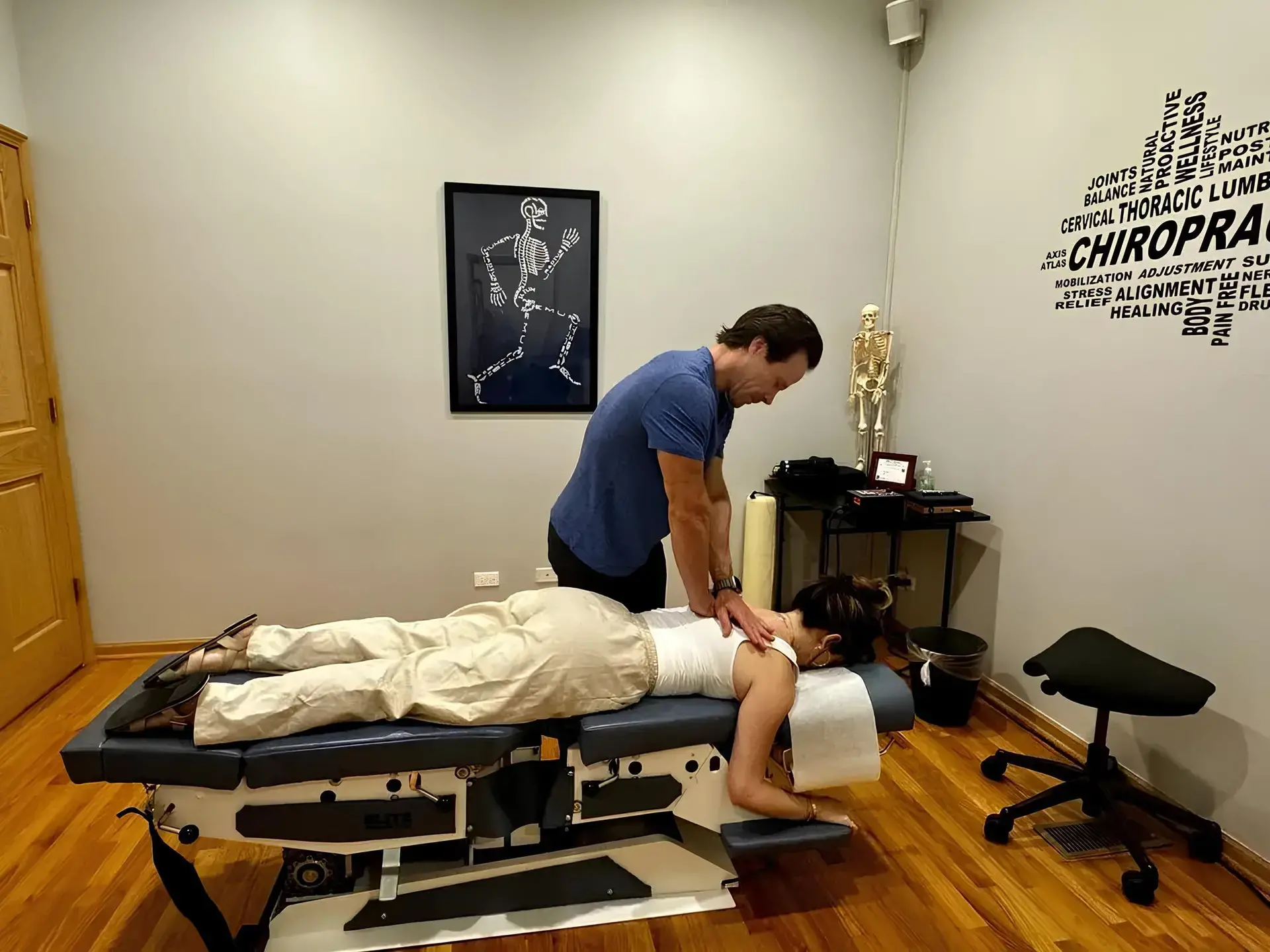
How does chiropractic care approach neck pain differently?
Chiropractic care focuses on the body’s structure and how it’s functioning. After a thorough assessment to rule out other issues, a personalized plan may include gentle adjustments aimed at improving motion, reducing stress on the area, and supporting longer-term recovery.