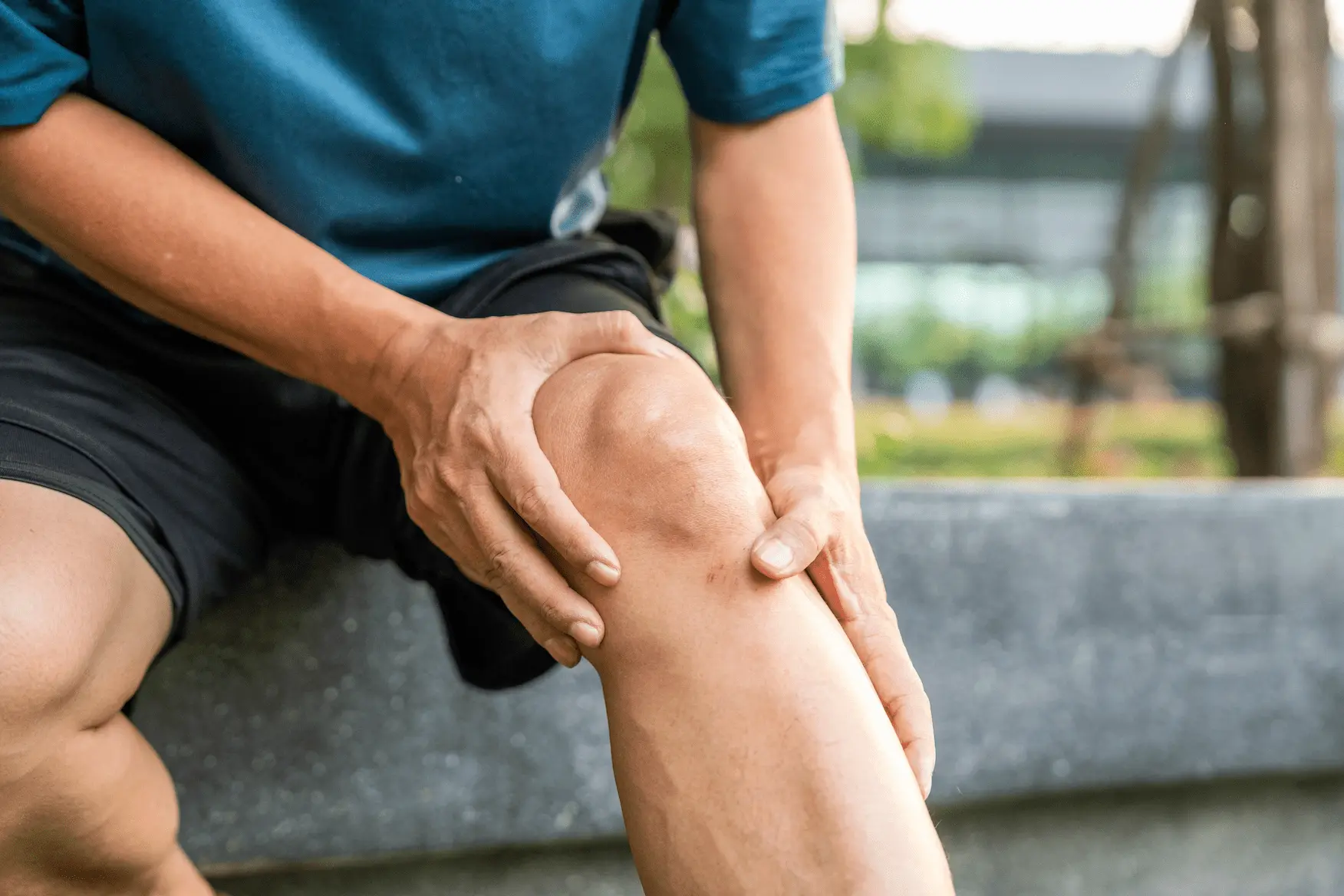
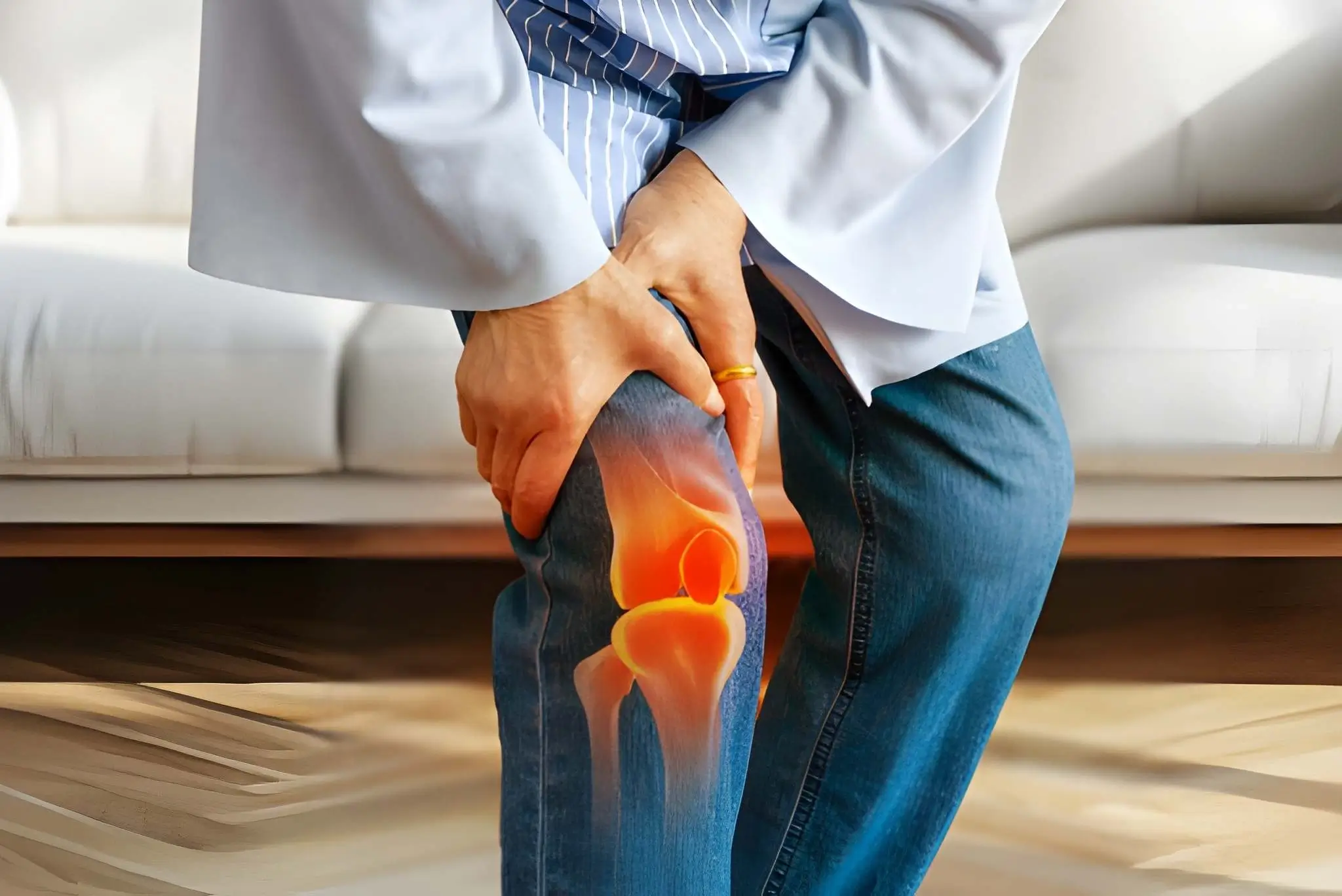
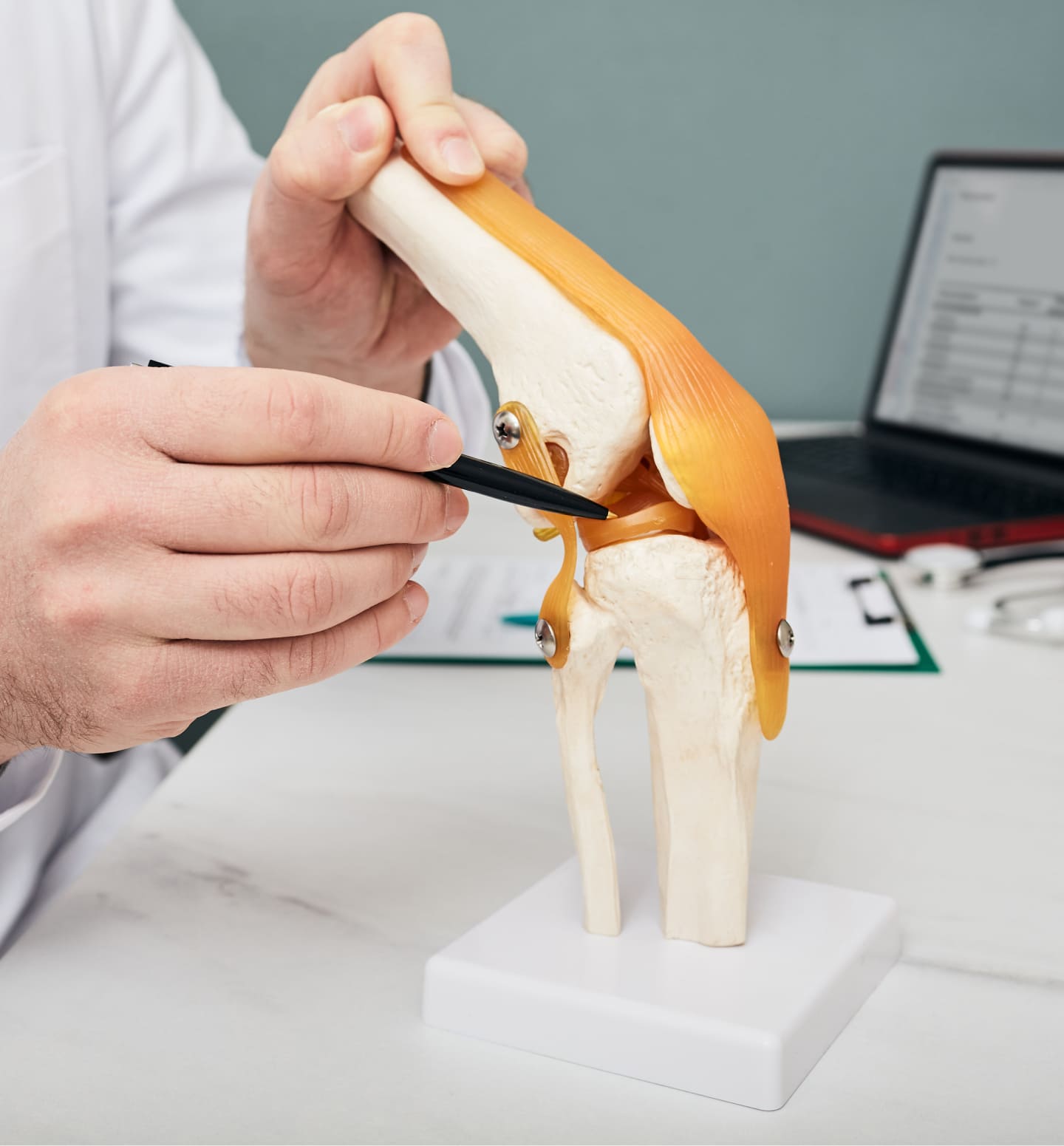
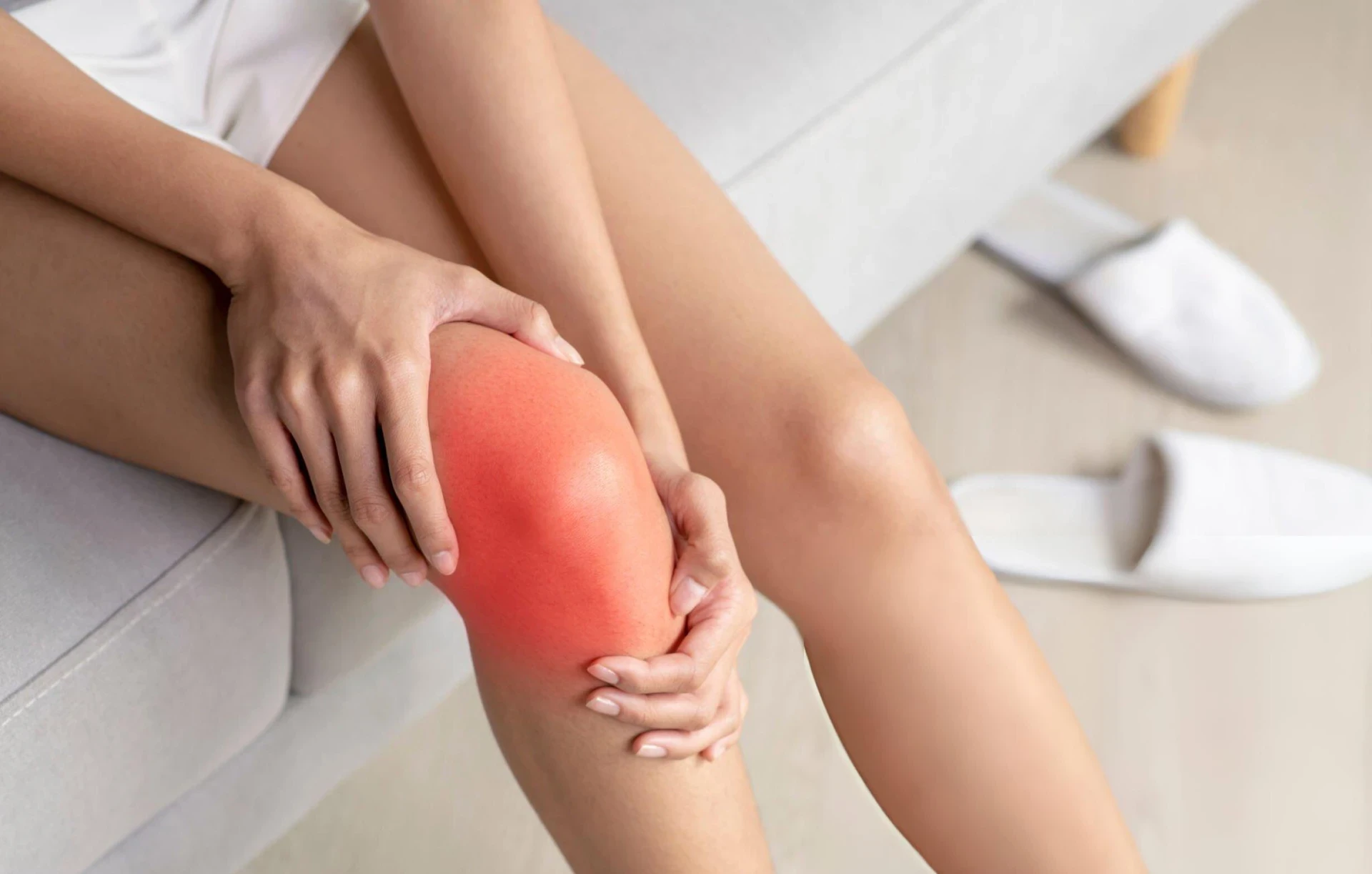
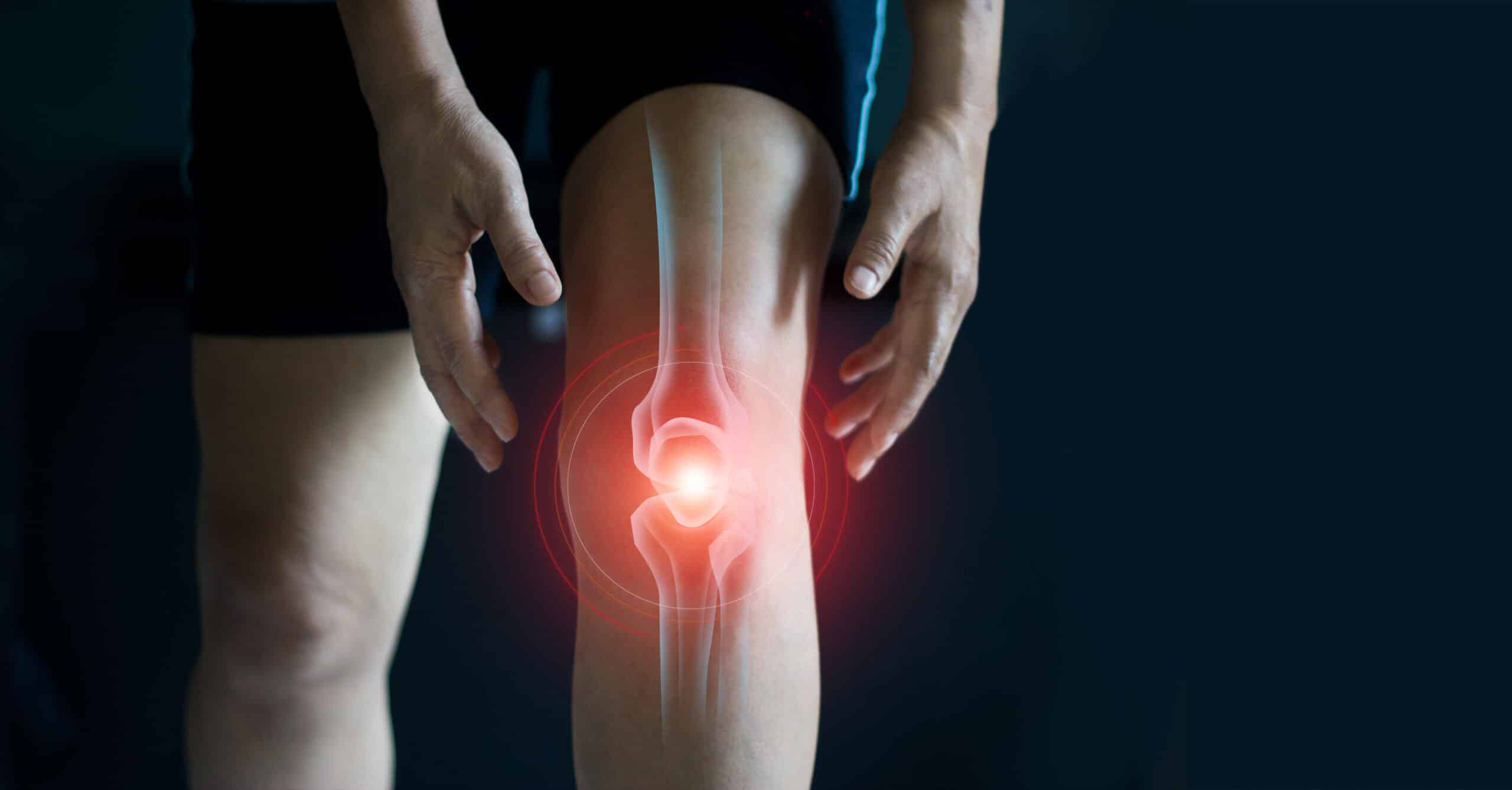
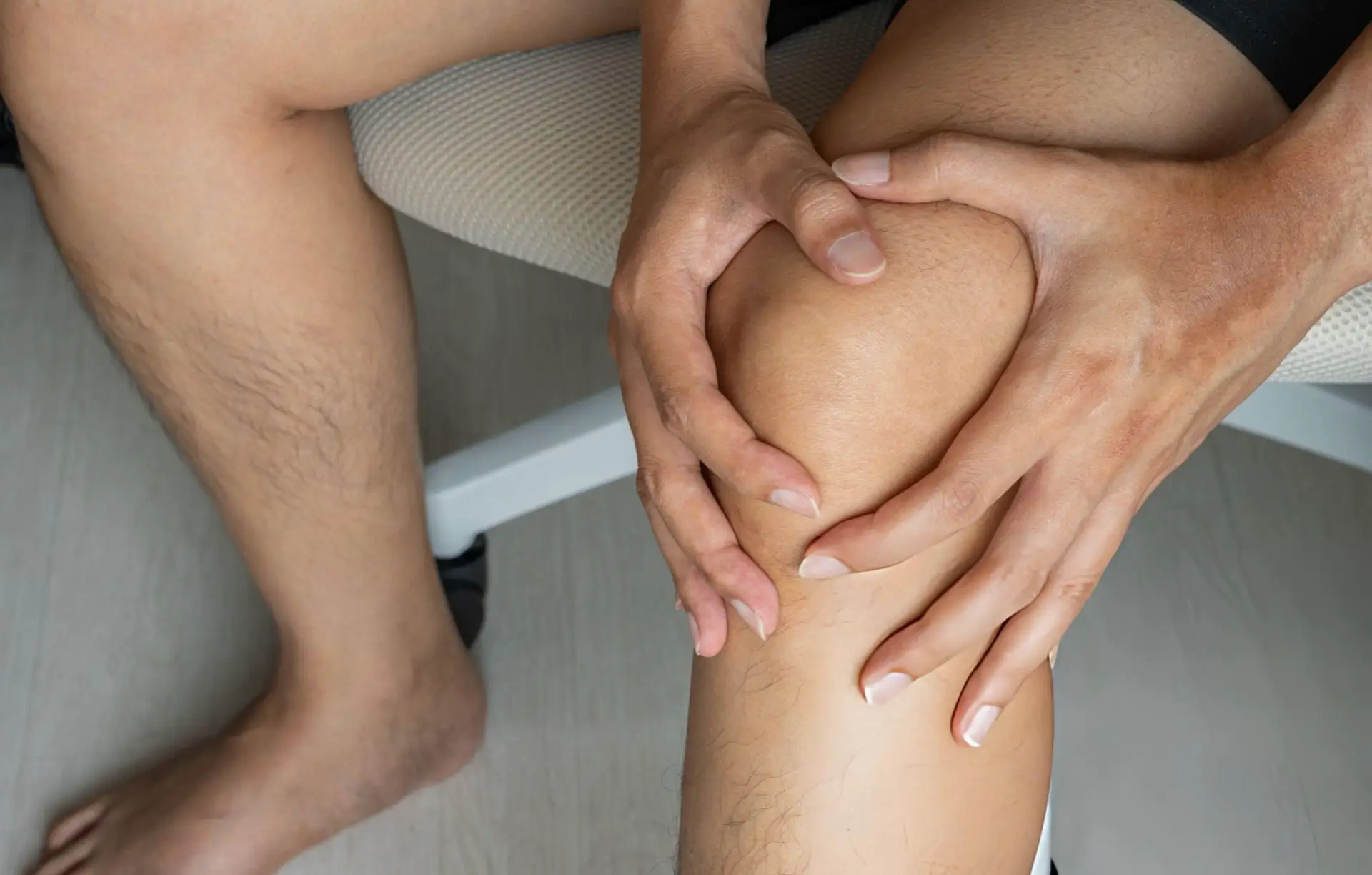
Knee pain can come from injury, overuse, or underlying joint conditions like arthritis. We help identify what’s driving your symptoms and recommend the most appropriate next step for relief.
When Knee Pain Starts Affecting Daily Life
Common Knee Pain Symptoms
- Pain with walking, stairs, or squatting
- Swelling around the joint
- Stiffness or reduced range of motion
- Instability or “giving way” feeling
Common Causes of Knee Pain?
Knee pain can come from wear-and-tear conditions, athletic injuries, tendon irritation, or changes in how the kneecap and joint surfaces move.
Arthritis & Degenerative Changes
Arthritis is one of the most common causes of knee pain, especially as joints experience years of repeated stress. Symptoms often include stiffness, swelling, and pain with movement.
- Pain that worsens with activity
- Stiffness after rest
- Swelling or tenderness in the joint
Ligament Sprains or Tears
Ligament injuries often happen during sports or sudden directional changes and may cause instability, swelling, and sharp pain.
- Anterior Cruciate Ligament (ACL) Injury
- Posterior Cruciate Ligament (PCL) Injury
- Medial Collateral Ligament (MCL) Injury
Meniscal Tear / Cartilage Injury
Cartilage injuries are common in both younger and older patients. They can cause pain, swelling, clicking, or limited motion depending on the location and severity.
- Pain with twisting
- Clicking or catching
- Swelling after activity
Front-of-Knee Conditions
Patellar Tendonitis
Tendonitis around the joint is most common in the patellar tendon, the large tendon over the front of the knee.
Chondromalacia Patella
Chondromalacia causes knee pain under the kneecap and is due to softening of the cartilage. It is most common in younger patients (15–35 years old).
Dislocating Kneecap
A dislocating kneecap causes acute symptoms during the dislocation but can also lead to chronic knee pain.
Swelling & Inflammation Around the Joint
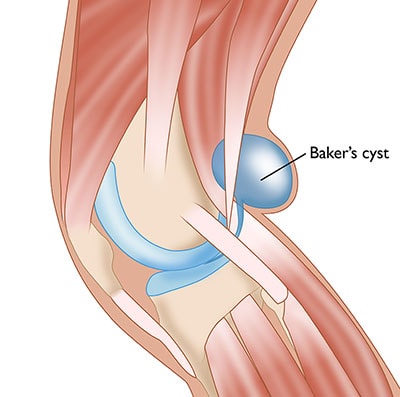
Baker’s Cyst
A Baker’s cyst is swelling in the back of the joint and is usually a sign of another underlying problem, such as a meniscus tear.
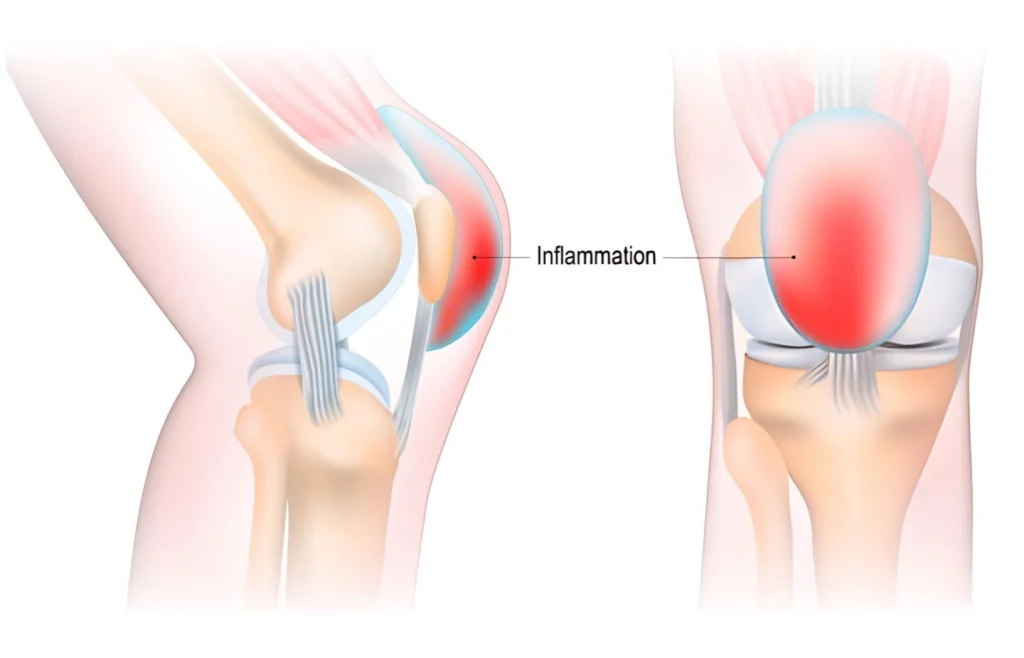
Bursitis
The most common bursa affected around the joint is just above the kneecap. This is most common in people who kneel for work, such as gardeners or carpet layers.
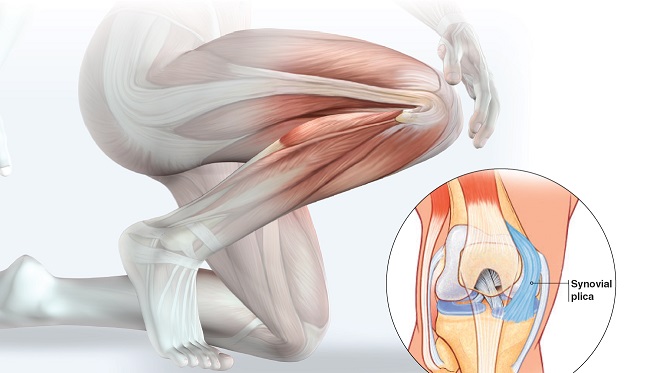
Plica Syndrome
Plica syndrome is an uncommon cause of knee pain and can be difficult to diagnose. The diagnosis is usually made at the time of arthroscopy.
Adolescent Growth-Related Conditions
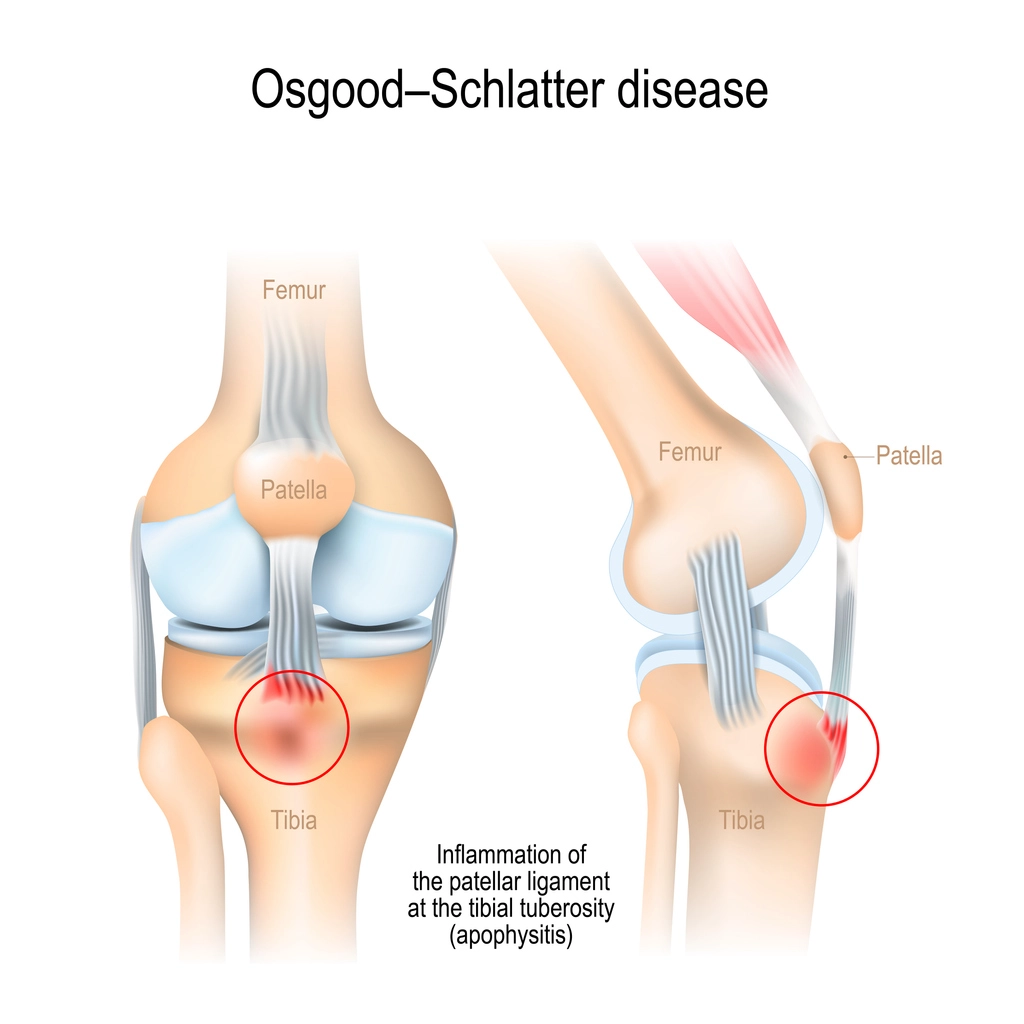
Osgood-Schlatter Disease
Osgood-Schlatter disease is a condition seen in adolescents and is due to irritation of the growth plate just at the front of the joint.
Osteochondritis Dissecans
Osteochondritis dissecans (OCD) is another condition seen in adolescents due to the growth of the bone around the joint.
Gout
Gout is an uncommon cause of knee pain. However, in patients who have a diagnosis of gout, it must be considered as a cause for new-onset knee pain.
- Sudden, intense pain that starts quickly (often overnight)
- Visible swelling around the knee joint
- Warmth and redness over the painful area
- Extreme tenderness—even light touch or a bedsheet can hurt
- Limited movement because the joint feels too painful to bend
How We Determine What’s Causing Your Knee Pain?
Since knee pain can look similar across different conditions, a focused evaluation helps identify the true driver before choosing care.
- Review your history (injury, overuse patterns, and symptom timing)
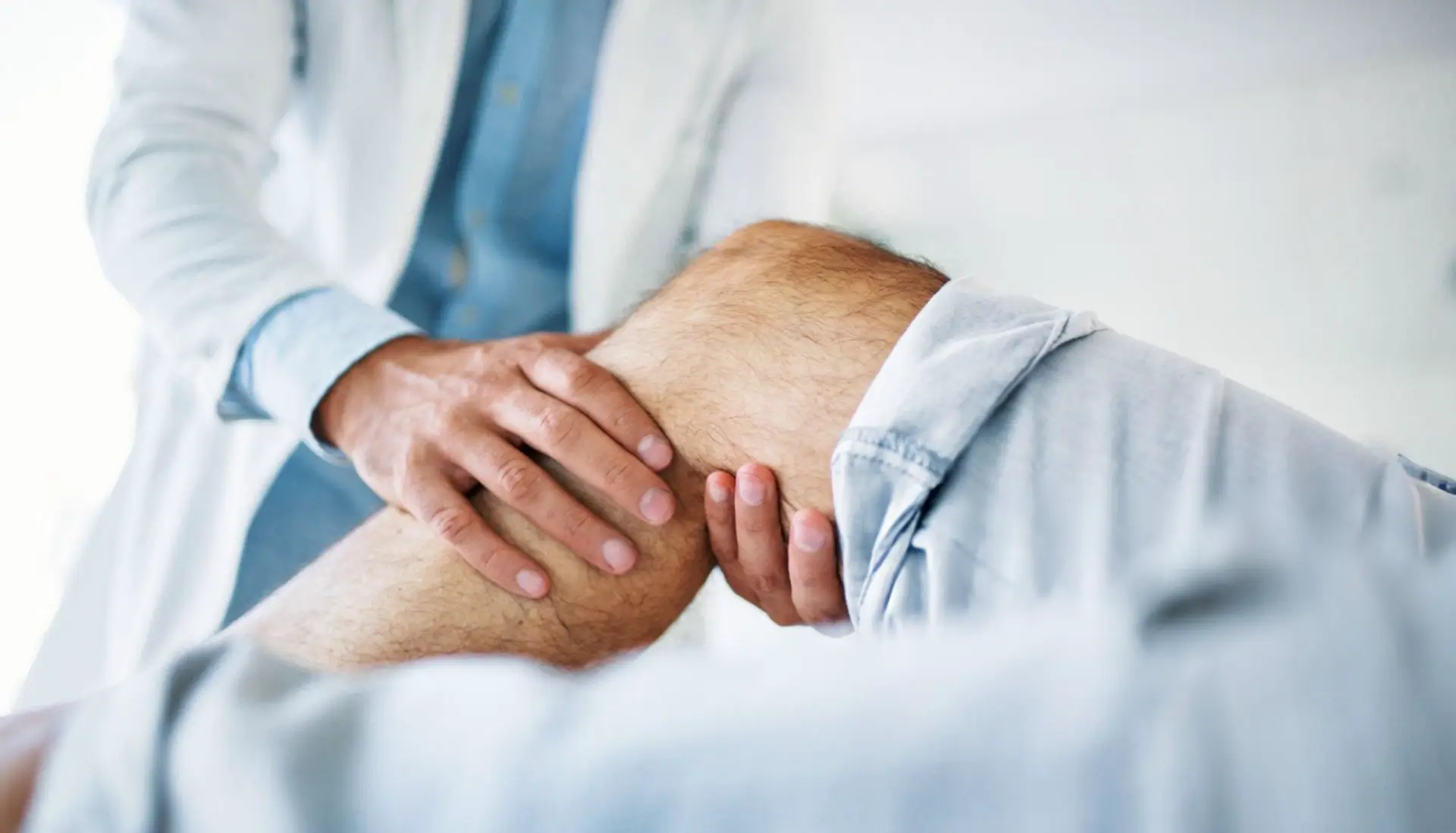
- Check swelling, tenderness, mobility, and stability
- Assess movement patterns that may load the knee
- Recommend imaging or referral when needed
How Chiropractic Care Can Help Knee Pain
Your care plan depends on what’s causing your pain. Our goal is to reduce irritation, improve joint mechanics, and support a more stable recovery.
- Conservative, non-invasive care approach
- Address alignment and movement patterns that may stress the knee
- Support recovery for overuse and sports-related issues
- Recommendations to help prevent repeat flare-ups
If your knee pain is persistent, limiting activity, or getting worse, an evaluation can help clarify your best options.
Get Help for Knee Pain in Roscoe Village, Chicago IL
Knee pain has many possible causes—and the right treatment starts with the right diagnosis. Schedule a consultation to find out what’s driving your symptoms and what options are available.
FAQs About Knee Pain
What are the most common causes of knee pain?
Knee pain is commonly caused by arthritis, ligament injuries, cartilage/meniscus tears, tendonitis, or kneecap-related issues. Other causes can include bursitis, Baker’s cyst, or gout.
How do I know if my knee pain is from an injury or overuse?
Injuries often start suddenly after a twist, fall, or impact. Overuse pain tends to build gradually over time, especially with repetitive activities like running, kneeling, or jumping.
What symptoms mean I should get my knee checked?
Pain that lasts, swelling, stiffness, instability, or knee pain that limits walking, stairs, or daily activities are good reasons to seek evaluation.
Can chiropractic care help knee pain?
Chiropractic care may help by addressing contributing joint mechanics and movement patterns, especially when knee pain is linked to overuse, alignment stress, or compensation from other areas.