Back pain can start quietly. One day your back feels fine, and the next day even simple movements feel hard. Many people think back pain only comes from injury, but that is not true. In most cases, it builds slowly from daily habits.
The good news is that most back pain can improve without surgery. Small changes in movement, posture, and lifestyle can make a big difference. At Pure Motion Chiropractic, this guide will help you understand the hidden reasons behind back pain and simple, natural ways to treat it.
Understand Back Pain?
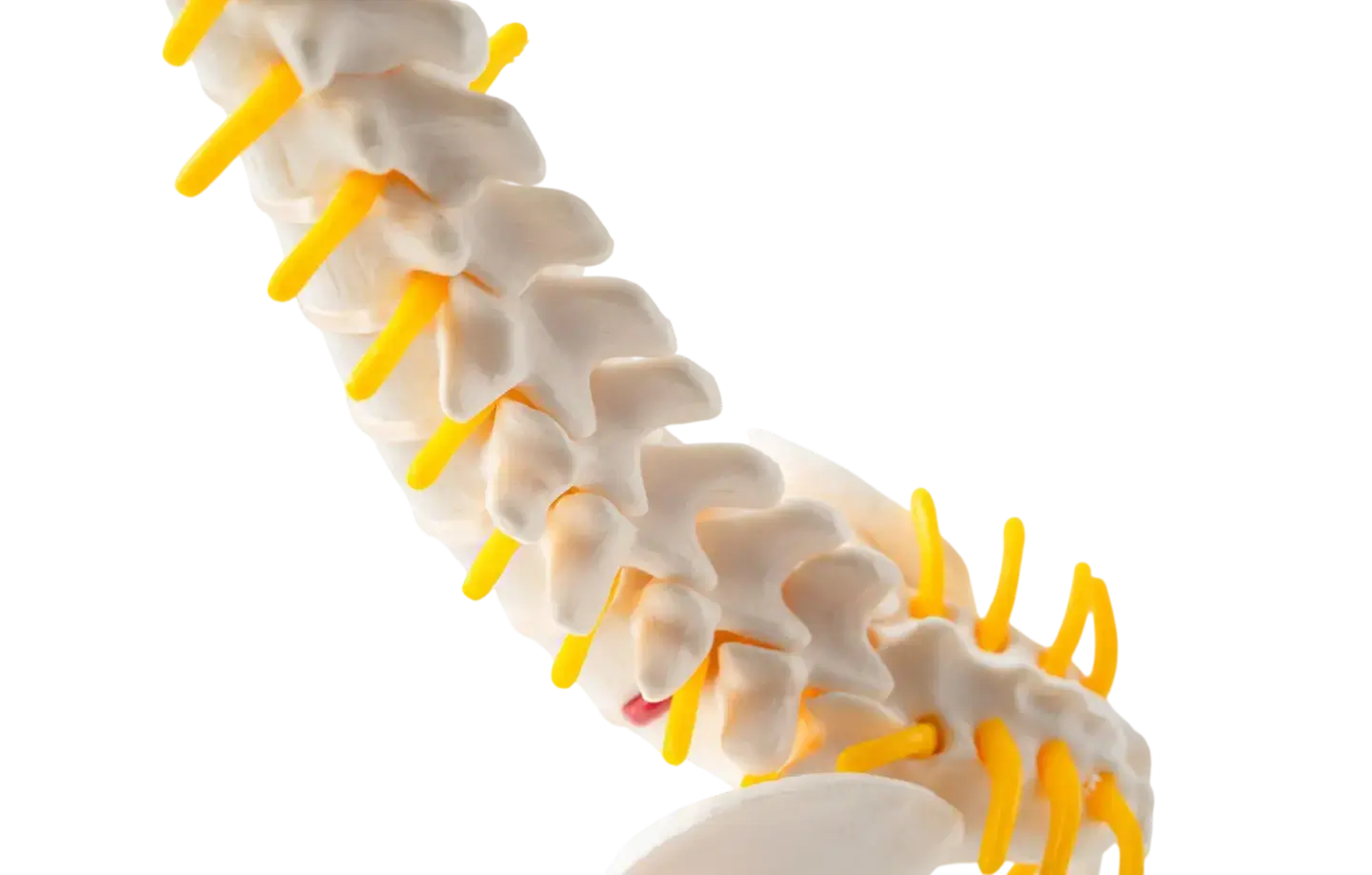
Back pain is discomfort or pain in the back area that can affect the upper, middle, or lower spine. It usually happens when muscles, joints, or the spine become strained or overloaded.
It is often caused by poor posture, long sitting hours, heavy lifting, weak muscles, stress, or sudden body movement. In some cases, it may be mild and temporary, while in others it can last longer and affect daily activities like walking, bending, or sitting.
Why Back Pain Happens
Back pain is one of the most common health problems in the world. It does not always come from a serious condition. Most of the time, it starts from daily habits that stress the muscles and spine.
Your back works all day. It supports your body when you sit, stand, walk, and lift things. When it becomes overworked or weak, pain begins. Early care is important because untreated pain can become long-term.
Hidden Causes of Back Pain
Back pain often develops from daily habits, weak muscles, stress, and poor posture that slowly strain the spine over time.
1. Poor Posture in Daily Life
Many people sit for long hours without noticing their posture. Slouching while using a phone or working on a computer puts pressure on the spine.
Over time, this can lead to stiffness, muscle strain, and pain in the lower back and neck.
2. Weak Core Muscles
Your core muscles support your spine. When these muscles are weak, your back has to work harder.
This can lead to:
- Poor balance
- Lower back pressure
- Faster fatigue during movement
Weak core muscles are one of the most ignored causes of back pain.
3. Lack of Physical Activity
Sitting too much reduces muscle strength. When muscles stay inactive for long periods, they become stiff. This can slow blood flow and make your back feel tight and painful, especially after standing up or moving after rest.
4. Muscle Strain or Overuse
Back pain can also come from sudden strain. This often happens when lifting heavy objects or making quick movements without proper support.
Common examples include:
- Lifting heavy bags incorrectly
- Sudden twisting movements
- Overstretching during exercise
These actions can stress back muscles and cause pain.
5. Stress and Mental Pressure
Stress not only affects the mind. It also affects the body. When you are stressed, your muscles tighten automatically.
This can cause:
- Tight shoulders
- Back stiffness
- Tension pain that lasts for hours or days
Long-term stress can make back pain worse.
6. Age-Related Wear and Tear
As the body ages, the spine naturally changes. Discs between the bones may lose flexibility, and muscles may become less strong.
This can lead to:
- Reduced movement
- Stiffness in the back
- Ongoing mild pain
7. Symptoms You Should Not Ignore
Back pain can feel different for everyone. But some signs show that your body needs attention.
Watch for:
- Constant lower back pain
- Pain while sitting or standing
- Morning stiffness that takes time to improve
- Pain after normal activity
- Difficulty bending or moving freely
If these signs continue, it is important to take action early.
Natural Ways to Treat Back Pain
Simple daily habits like stretching, movement, posture correction, and stress control can help reduce back pain naturally over time.
1. Regular Stretching
Stretching helps loosen tight muscles and improve movement. It also reduces stiffness caused by long sitting hours.
Simple daily stretching can make your back feel lighter and more flexible.
2. Core Strengthening Exercises
Strong core muscles support your spine and reduce pressure on your back.
When your core is strong, your body stays more stable during movement. This helps prevent future pain.
3. Physical Activity
Movement is important for back health. Walking and light exercise improve blood flow and reduce stiffness.
Even 20–30 minutes of daily walking can help your back feel better over time.
4. Heat and Cold Therapy
Cold therapy can help reduce swelling and pain after strain. Heat therapy helps relax tight muscles and improve blood flow.
Many people use both depending on their pain level.
5. Posture Correction
Good posture protects your spine. Small changes in how you sit and stand can reduce pain.
Simple habits include:
- Keeping your back straight while sitting
- Using proper chair support
- Avoiding long hours in one position
6. Stress Management
Since stress affects muscle tension, relaxing your mind also helps your body. Simple breathing exercises and short breaks during work can reduce back tightness.
7. Massage Therapy Support
Massage therapy can help relax tight muscles and improve blood flow. It is often used to support recovery from back pain.
It may help:
- Reduce muscle tightness
- Improve movement
- Support relaxation
- Speed up recovery
Massage works best when combined with posture correction and exercise.
Prevention Tips for Back Pain
Back pain can often be prevented with simple habits. To protect your back:
- Stay active every day
- Keep correct posture
- Strengthen core muscles
- Avoid sitting for too long
- Stretch regularly
Small habits done daily can protect your spine in the long run.
When to Seek Professional Help
Some back pain needs expert attention. You should seek professional help if your pain lasts more than two weeks, spreads to your legs, or makes movement difficult. If home care does not improve your symptoms, early treatment can help prevent long-term problems.
FAQs
1. What can cure back pain naturally?
Back pain can often improve with regular stretching, light exercise, good posture, heat or cold therapy, and stress control. Massage therapy and lifestyle changes can also support natural healing.
2. How to tell if back pain is from your kidneys?
Kidney pain is usually deeper and higher in the back, often near the sides under the ribs. It may also come with fever, nausea, or changes in urination.
3. What is the Chinese method for back pain?
Traditional Chinese methods include acupuncture, cupping therapy, and pressure point massage. These techniques aim to improve energy flow and reduce muscle tension.
4. What is the Big 3 for back pain?
The “Big 3” refers to core stability exercises: modified curl-up, side plank, and bird-dog. These exercises help strengthen core muscles and support the spine.
5. When should I worry about back pain?
You should seek help if back pain lasts more than two weeks, gets worse over time, spreads to the legs, or affects daily activities like walking or sitting.
Start Your Journey to a Healthier Back
Back pain often comes from simple daily habits like poor posture, weak muscles, stress, and lack of movement. In most cases, it can be improved naturally without surgery. The key is early care. When you understand the cause and make small lifestyle changes, your back can recover and stay healthy.
Book your visit at Pure Motion Chiropractic and move without back pain.