If you suspect a slipped disc or disc injury, early care matters. A timely assessment can help relieve symptoms and support recovery.
When Disc Pain Starts Affecting Daily Life
If your back pain has become persistent—or you’ve been told you have a disc problem—it’s important to act early to help prevent further irritation. Spinal discs cushion your vertebrae and support movement, but when a disc changes shape or becomes damaged, nearby nerve roots can become sensitive.
This page covers the main disc injury types, what symptoms can look like, and how chiropractic care may support comfort, mobility, and recovery.
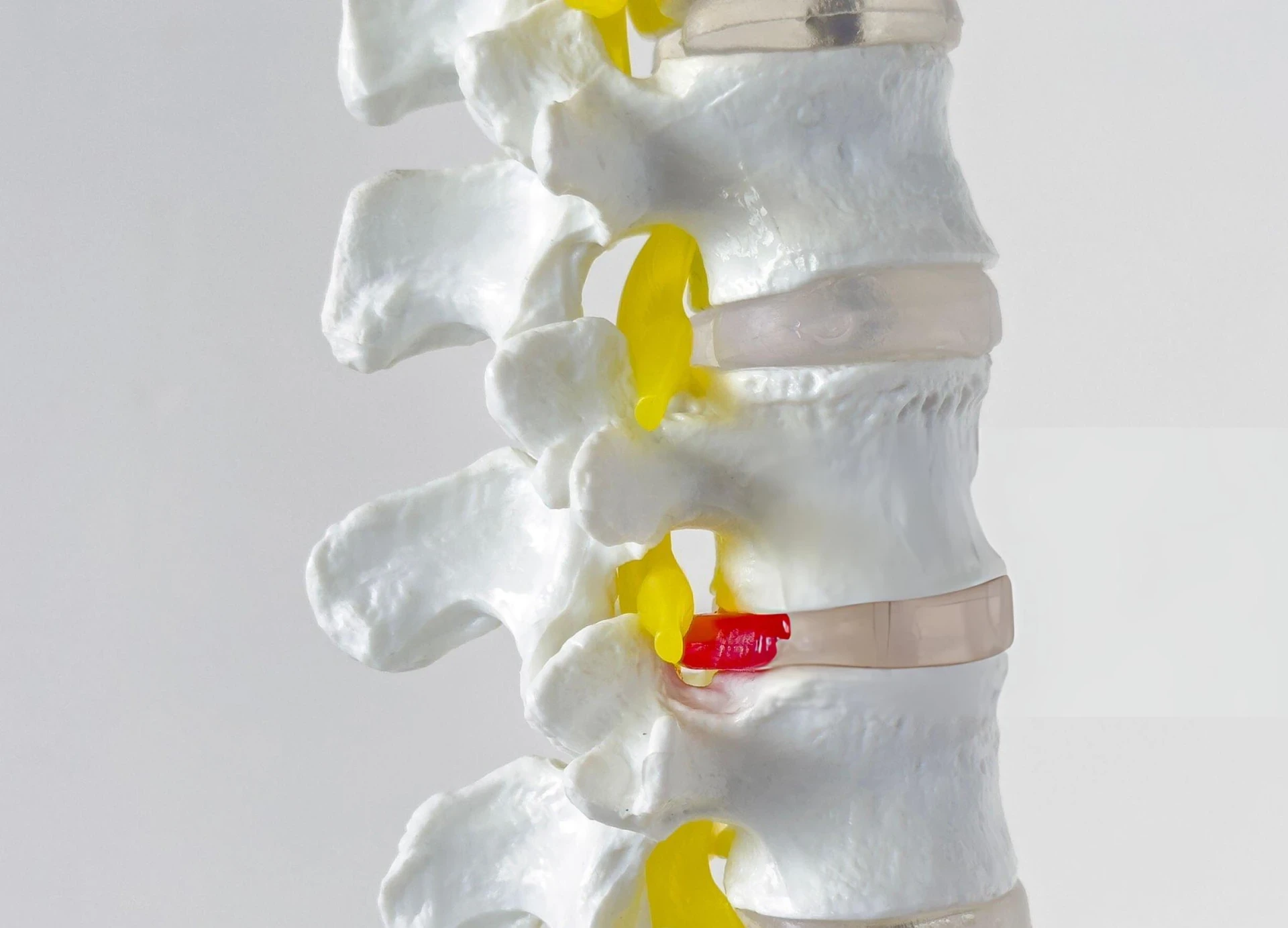
Symptoms That May Point to a Disc Issue
- Ongoing back discomfort (sometimes severe)
- Stiffness or pain with twisting, bending, or lifting
- Radiating symptoms into the leg or foot
- Pins-and-needles or numbness
- Weakness in the lower body or reduced stability
Common Type of Disc Injuries
Disc problems aren’t all the same—understanding the type can help guide the most appropriate next step.
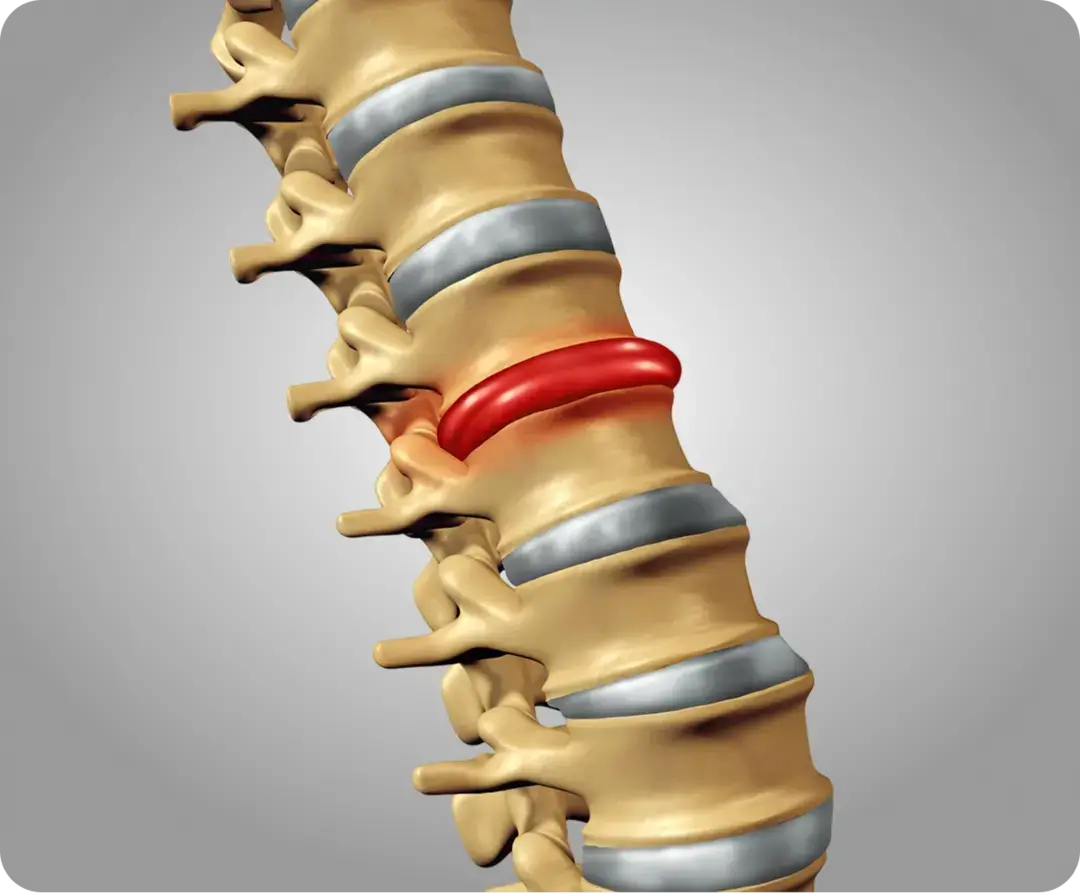
Protruding Disc (Bulge)
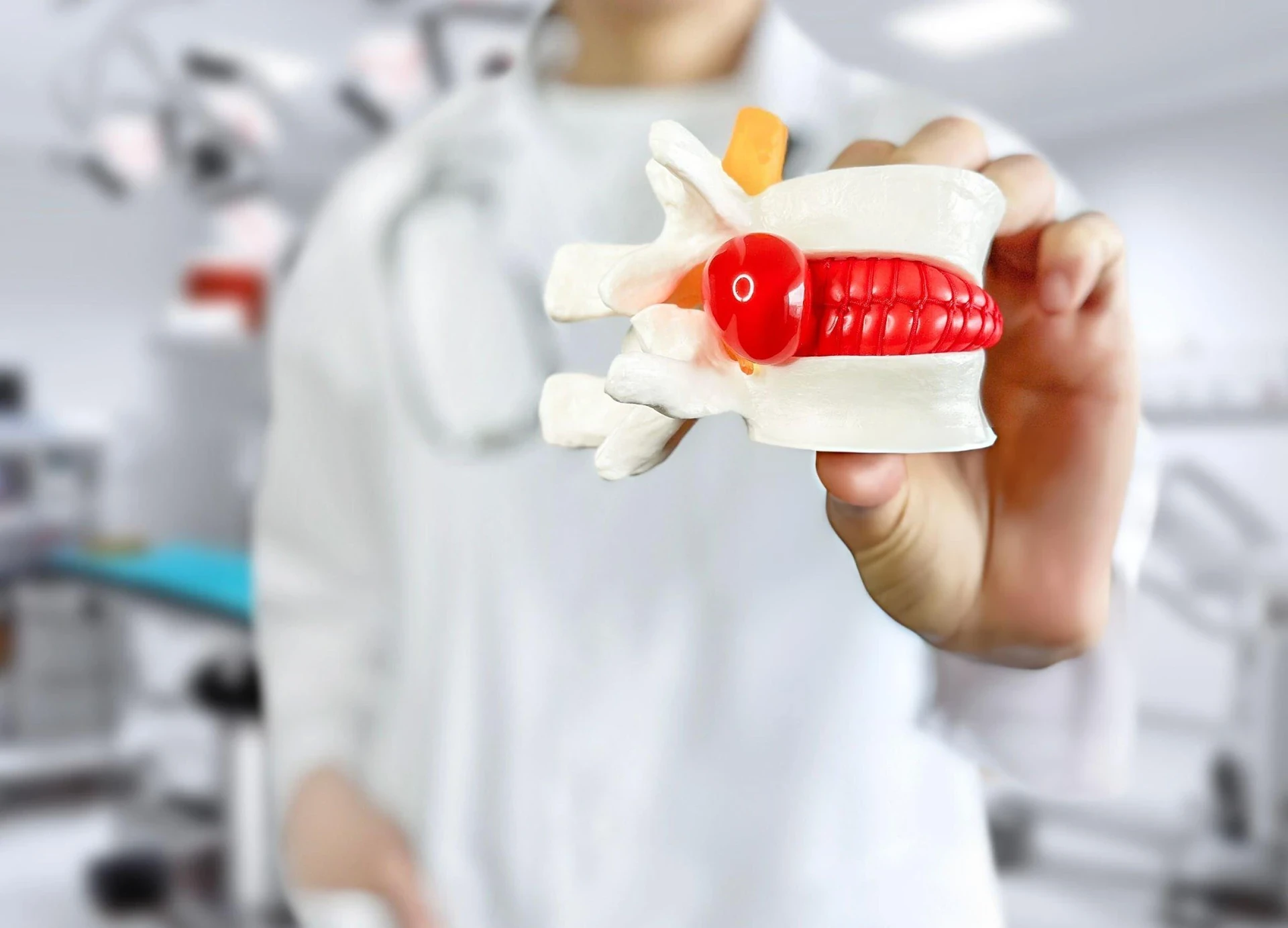
A protrusion happens when the disc begins to bulge outward because it’s no longer evenly shaped, which can crowd the surrounding space and contribute to symptoms.
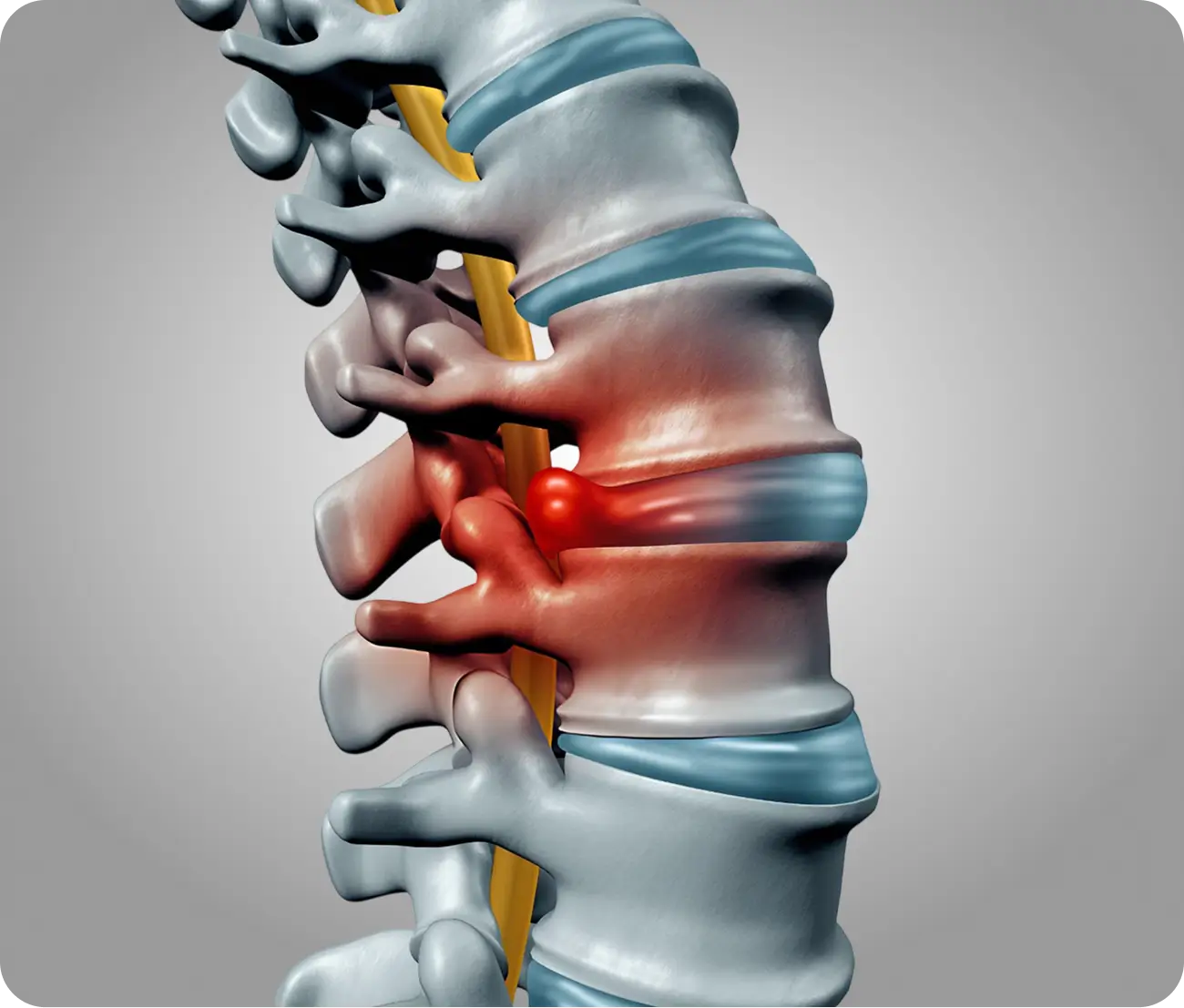
Herniated Disc
A herniation occurs when the disc’s outer layer is compromised and the inner material pushes outward, increasing the chance of nerve-root irritation.
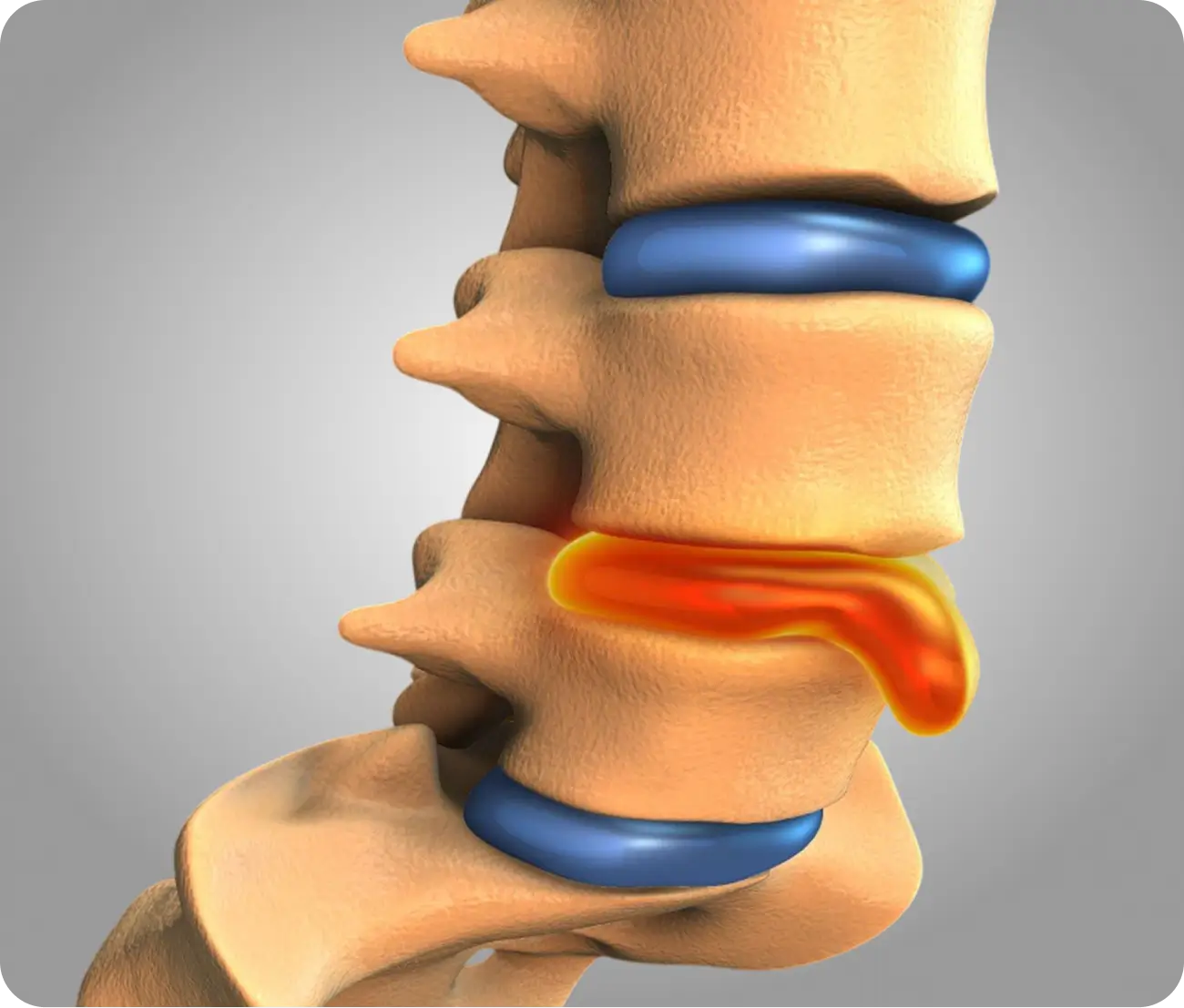
Disc Extrusion
Extrusion is a more advanced form where disc material extends farther beyond its normal boundary, and in some cases may separate—often causing stronger pain and greater movement limits.
How Chiropractic Care Can Help Disc-Related Pain
Care starts with clarity—then focuses on reducing stress in the area and helping you move more comfortably again.
- Evaluation and exam to determine the likely disc involvement
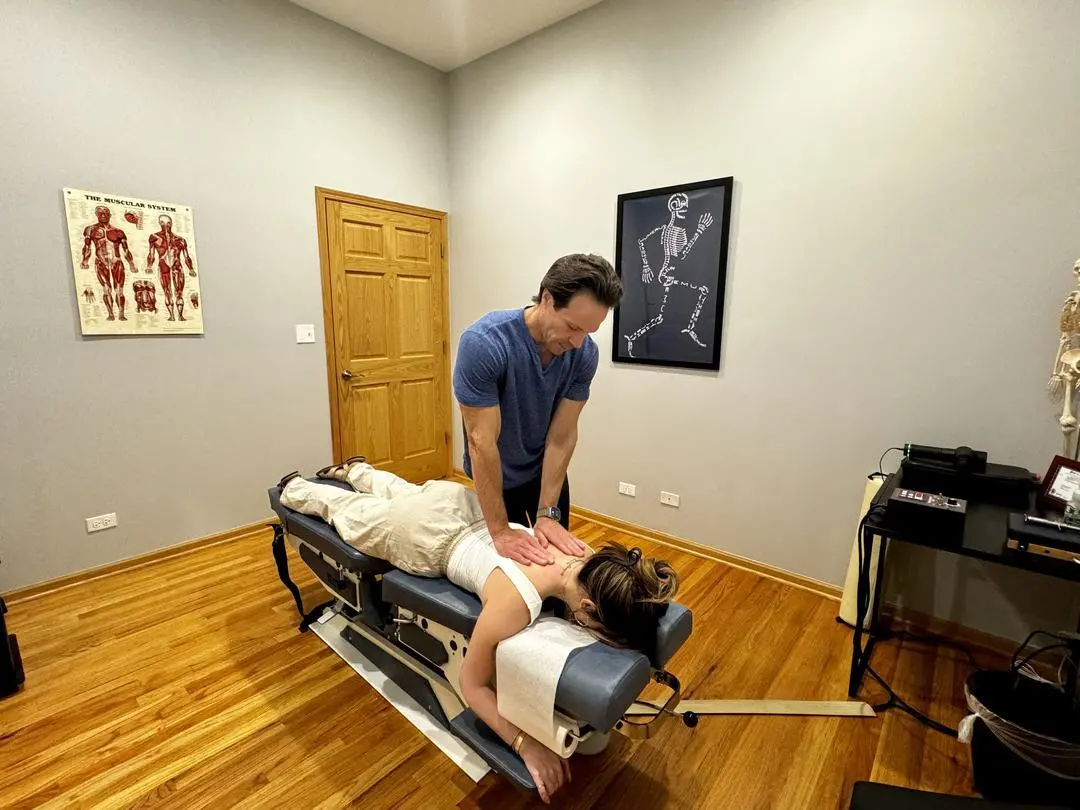
- Gentle spinal adjustments aimed at easing irritation and improving motion
- Guidance to protect the area during work, lifting, and daily routines
- Simple at-home recommendations to support recovery over time
Make Your Next Move a Smart One
If disc pain is making you second-guess every bend, lift, or long sit, don’t wait for another bad day. Get support that helps you move through your day with less worry.
Frequently Asked Questions About Disc Injuries
What do spinal discs actually do?
Discs sit between vertebrae and act like shock absorbers, helping the spine move without bones rubbing together during bending, lifting, and carrying.
How do disc injuries typically feel?
Symptoms may include back or neck pain, stiffness, reduced range of motion, and nerve-related symptoms like tingling, numbness, or weakness—depending on the area involved.
Can a disc injury lead to sciatica symptoms?
Yes. If nerve roots are irritated, pain or tingling can travel into the leg and foot—commonly referred to as sciatica.
Do you always need imaging for a disc injury?
Not always. A history and physical exam may be enough to guide early care, and imaging may be considered when needed to better understand the condition.
What symptoms should be treated as urgent?
If you experience loss of bladder or bowel control, seek emergency medical attention immediately.