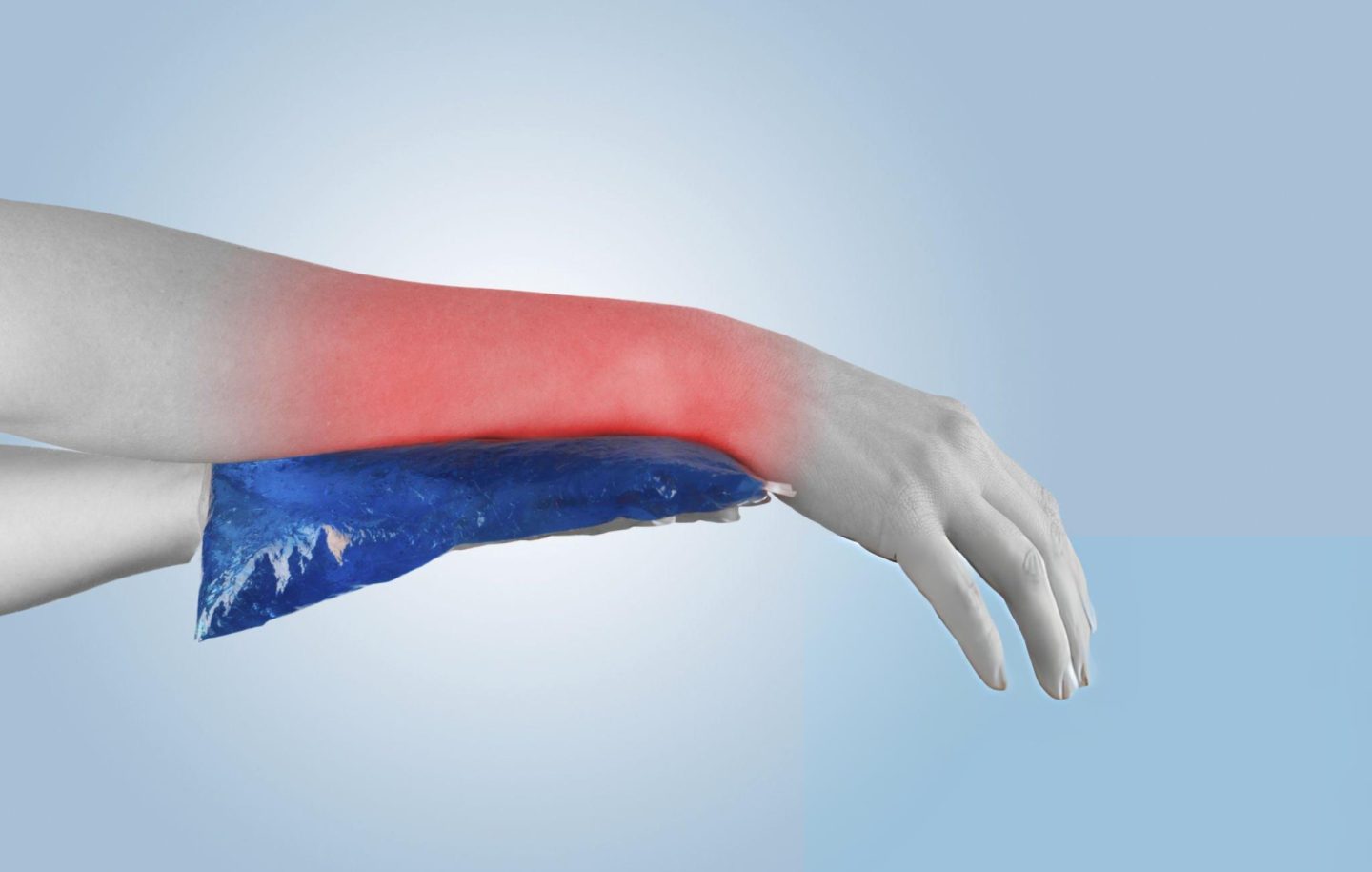
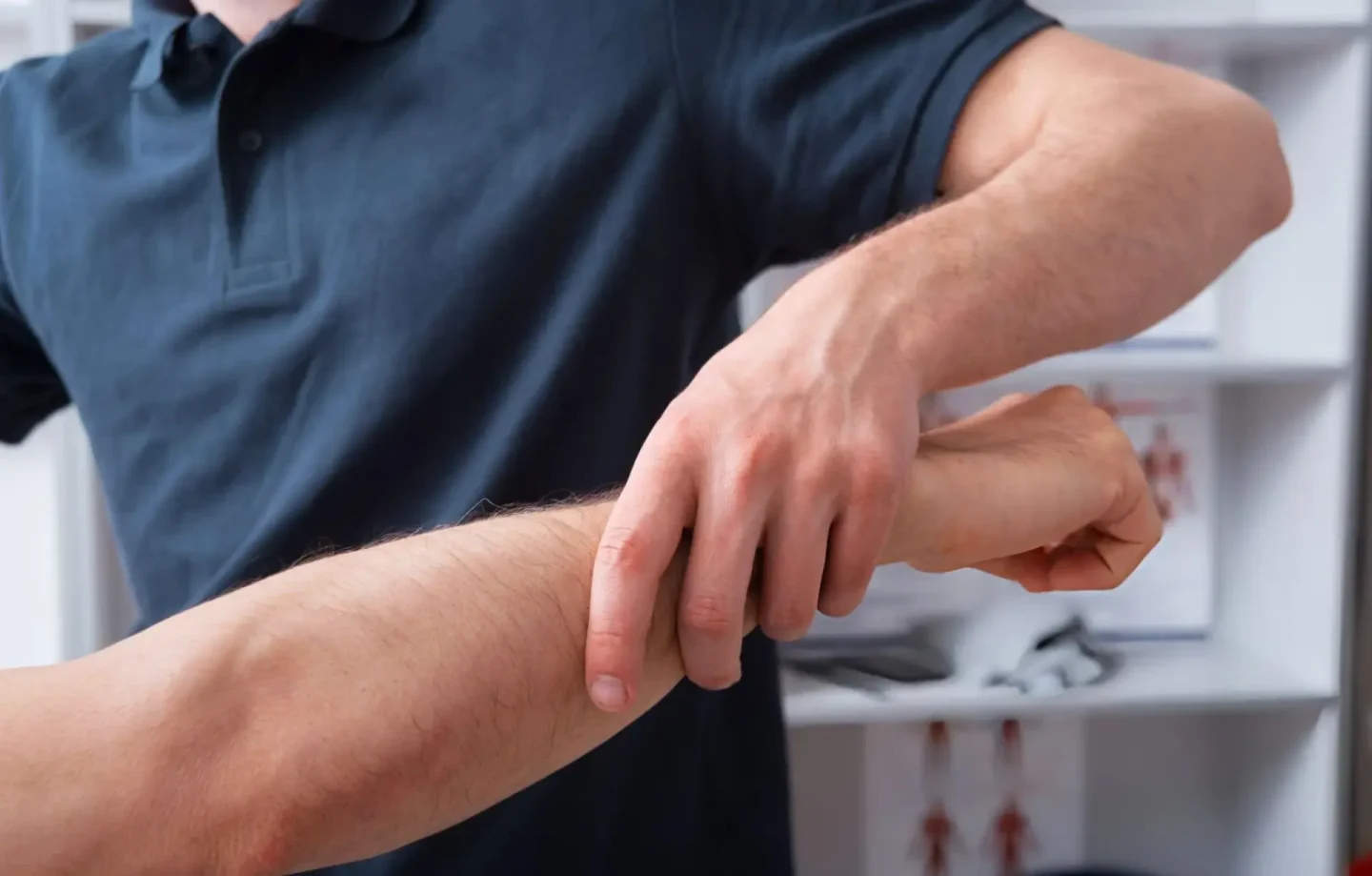
Carpal tunnel often comes from median nerve compression in the wrist. Chiropractic care provides a gentle, non-invasive option to address the cause.
Do You Notice Tingling or Weakness in Your Hand?
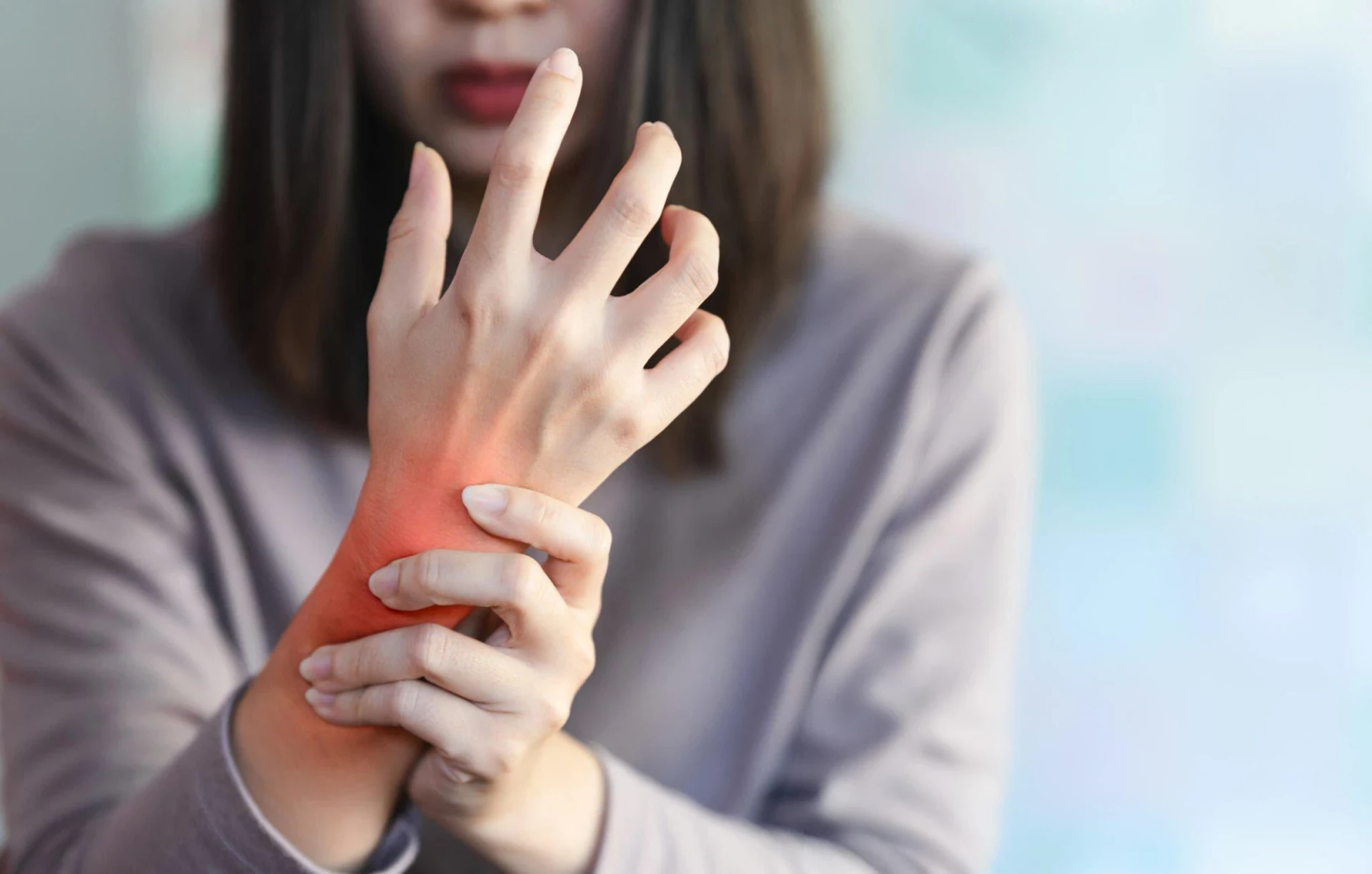
Carpal tunnel syndrome is a common nerve condition that can cause burning, tingling, and pain in the hand—often affecting the thumb and first three fingers. Some people even feel swelling in the hand when there isn’t visible swelling. Symptoms may start mildly and gradually begin interfering with work, sleep, and everyday tasks.
The good news is that many people respond well to conservative care. A focused evaluation can help determine whether the problem is coming from the wrist itself, an underlying health factor, or nerve irritation that may be stemming from the spine.

Common Carpal Tunnel Symptoms
- Tingling in the thumb and first three fingers
- Burning, aching, or wrist/hand pain
- A “swollen” feeling without visible swelling
- Weak grip or dropping small objects
- Symptoms that worsen with repetitive use
If symptoms persist, early care can help reduce the risk of long-term nerve irritation.
What May Be Driving Your Carpal Tunnel Symptoms?
Carpal tunnel often has more than one possible contributor—so identifying the source matters.
Repetitive Use & Wrist Stress
Common in work or activities that overload the wrist.
- Repetitive hand and wrist motion
- Long-term use of vibrating tools/instruments
- Prior wrist strain, stress injury, or fracture
Health & Hormonal Contributors
Some factors can increase swelling or nerve sensitivity.
- Thyroid or pituitary-related metabolic issues
- Pregnancy-related changes
- Obesity and inflammation-related pressure
Nerve Irritation That May Stem From the Spine
Especially when symptoms occur without a clear wrist injury.
- Nerve interference affecting the arm/hand pathway
- Symptoms in one or both wrists without an obvious cause
- Persistent tingling that doesn’t match a single wrist strain pattern
Get Answers for Carpal Tunnel Symptoms
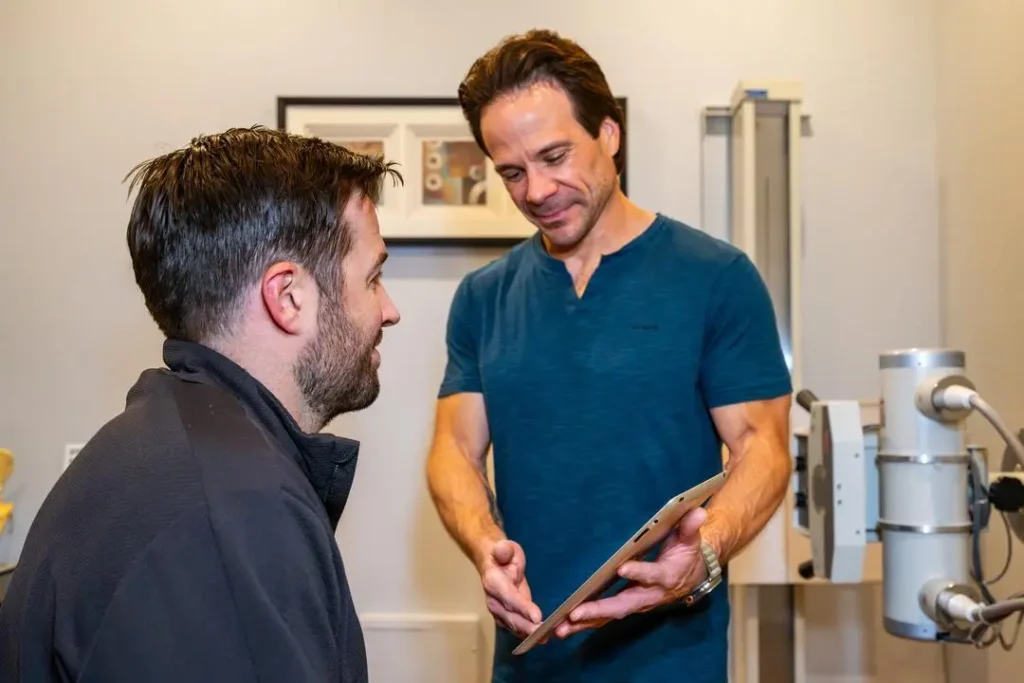
If tingling, pain, or weakness is affecting your routine, schedule a consultation. We’ll evaluate likely sources and recommend a conservative plan.
How We Identify the Source
The first step is understanding what’s actually compressing or irritating the nerve.
- Review of your symptom pattern and health history
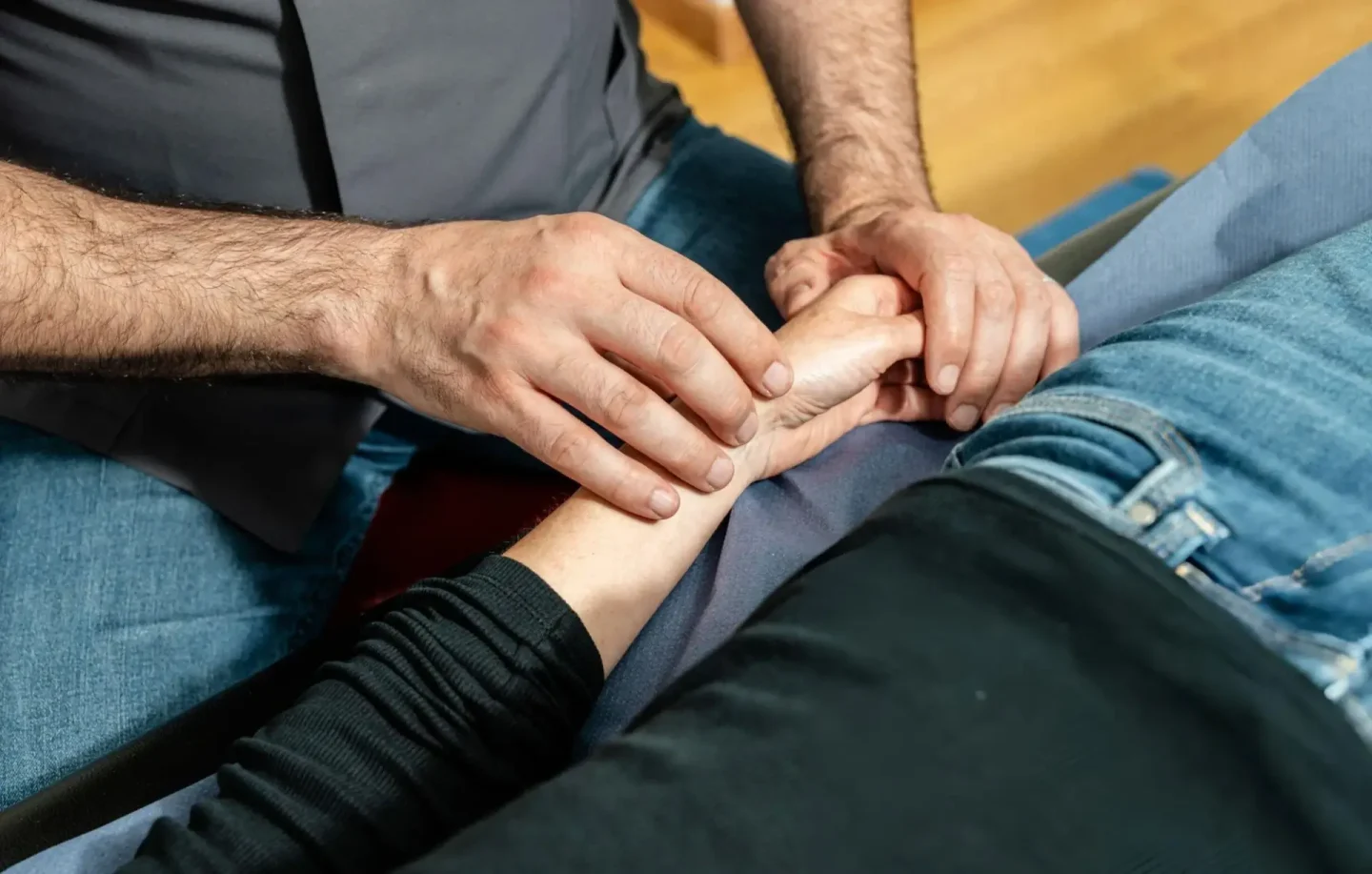
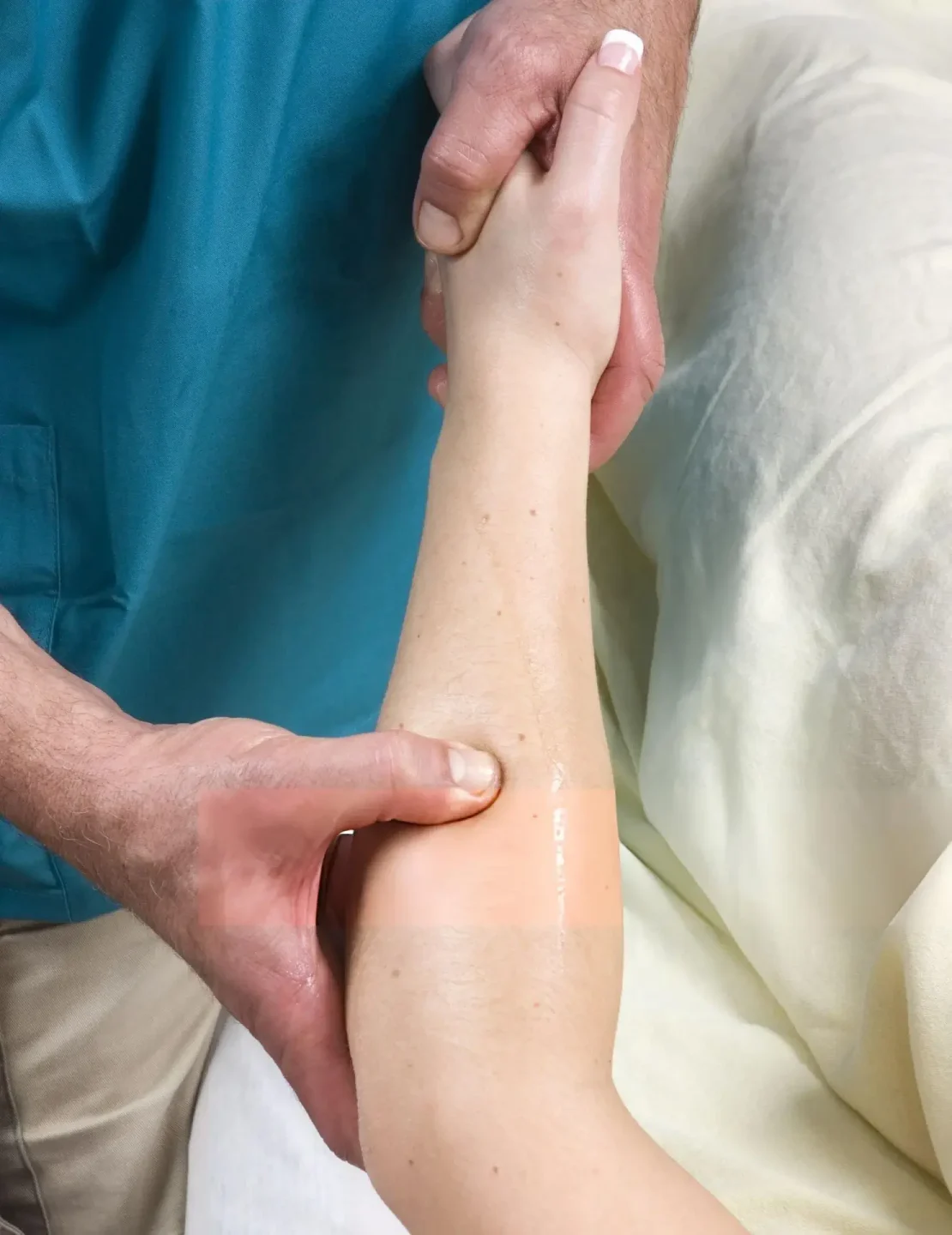
- Wrist and hand assessment for swelling, irritation, and function
- Evaluation of repetitive-use demands (work/tools/activities)
- Screening for spinal involvement when symptoms suggest it
- Clear recommendations based on findings
Conservative Care Options for Carpal Tunnel?
Reduce Nerve Pressure
Care focuses on decreasing irritation so the median nerve is under less stress.
Improve Wrist Mechanics
When wrist tissues or alignment contribute, conservative strategies can support better movement.
Calm Surrounding Tissues
Reducing local irritation can help improve comfort and function during daily tasks.
Address Contributing Factors
We look at repetitive use patterns and screen for deeper causes—especially when symptoms appear “out of nowhere.”
Frequently Asked Questions About Carpal Tunnel
What fingers are commonly affected by carpal tunnel syndrome?
Symptoms often involve the thumb and the first three fingers, and may include tingling, burning, or numbness.
Why does it sometimes feel swollen even when it doesn’t look swollen?
Nerve compression and irritated tissues can create a “swollen” sensation even without visible swelling.
Can carpal tunnel develop without a clear wrist injury?
Yes. It may develop from repetitive use, vibrating tools, underlying metabolic factors, pregnancy/obesity, or nerve irritation that may stem from the spine.
Are surgery and medication the only options?
Not necessarily. Many people pursue conservative approaches first, including chiropractic care, because it is non-invasive and focused on underlying causes.
How can chiropractic care help with carpal tunnel symptoms?
Chiropractic care aims to identify what’s contributing to nerve compression and address nerve interference—often through a personalized, conservative care plan.