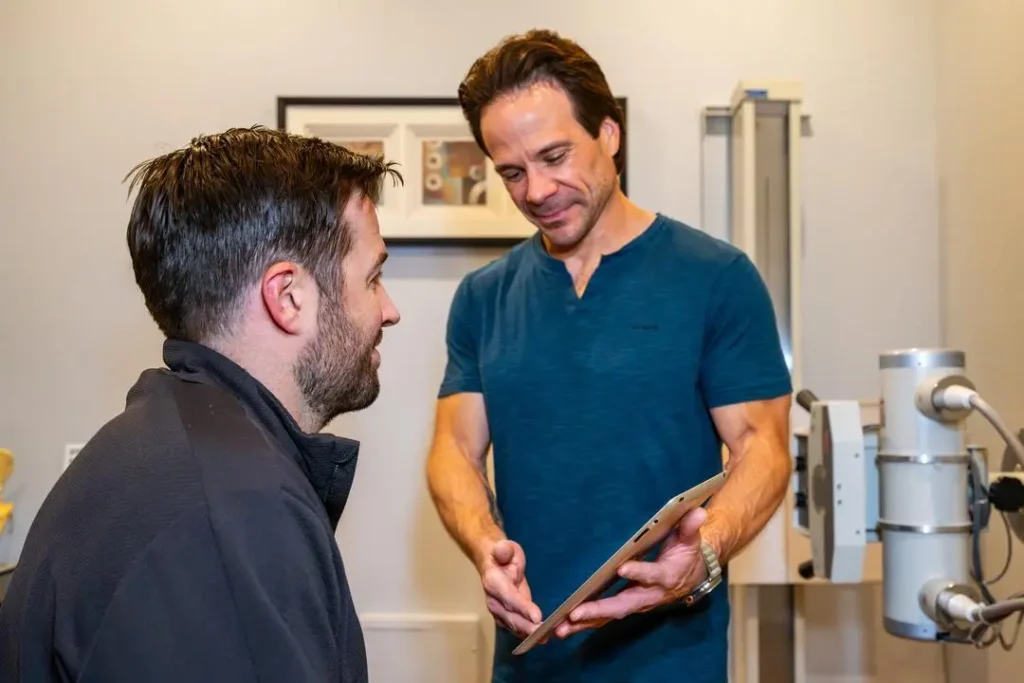
Osteoarthritis is a common “wear-and-tear” joint condition that can affect comfort and mobility over time. We take a conservative approach focused on joint alignment, movement, and long-term support.
Stiff, Achy Joints That Keep Coming Back?
Osteoarthritis is a degenerative joint condition most often linked to ongoing stress on the joints over time. As joint cartilage breaks down, the area may lose its ability to absorb impact as well, which can lead to irritation in surrounding tissues like muscles, tendons, and ligaments. In later stages, joint surfaces may become more sensitive and painful with daily movement.
While osteoarthritis can sound discouraging, the right plan can help you stay active, manage symptoms, and support healthier joint function moving forward.
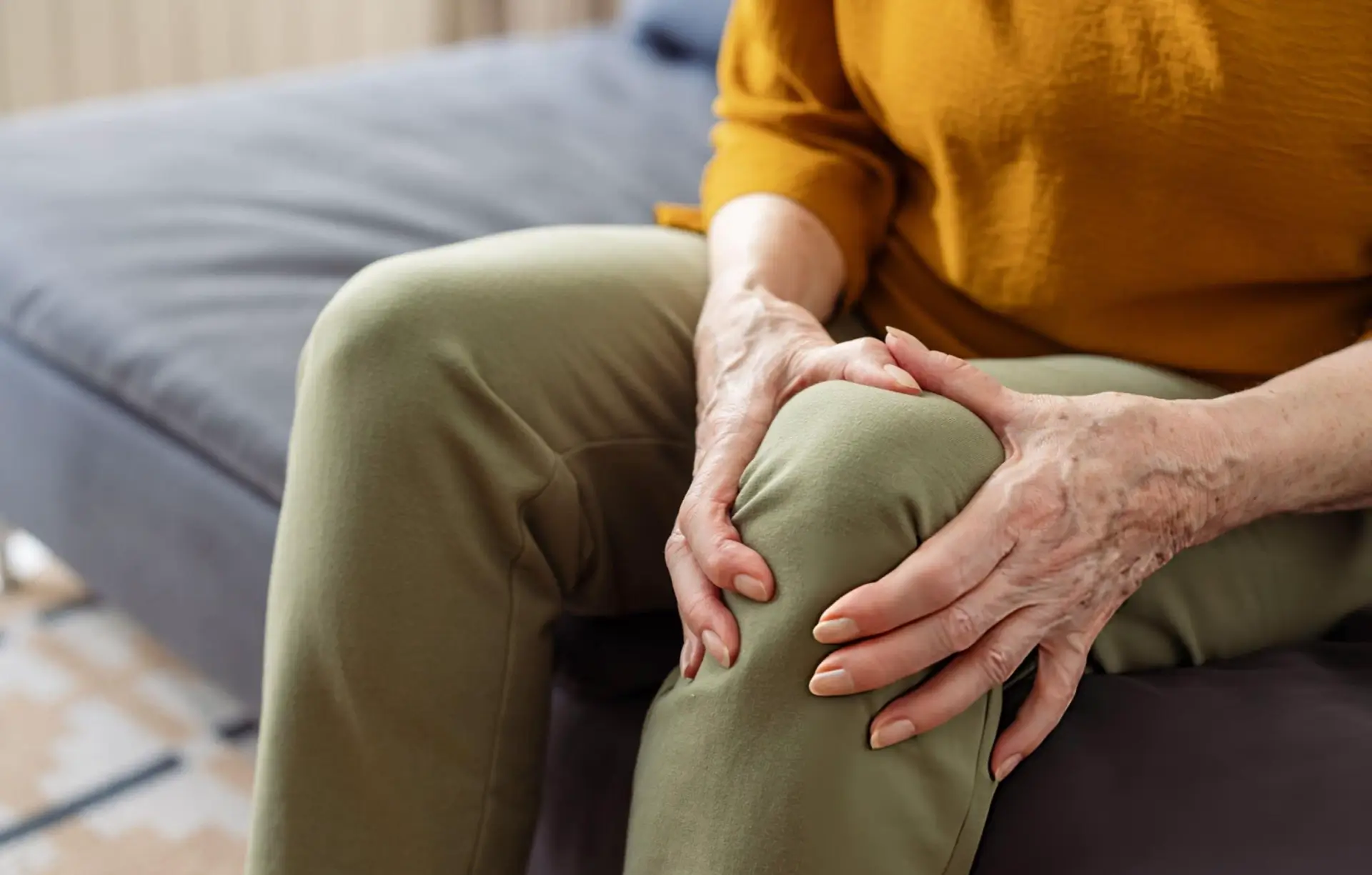
Common Osteoarthritis Signs
- Joint pain that increases with movement
- Stiffness that feels worse after resting
- Swelling or “puffy” joints
- Reduced range of motion
- Aching that affects daily activities
Joints Most Commonly Affected
Osteoarthritis often shows up in joints that carry load, repeat the same motions, or have a history of strain.
Weight-Bearing Joints
Areas that absorb the most daily stress.
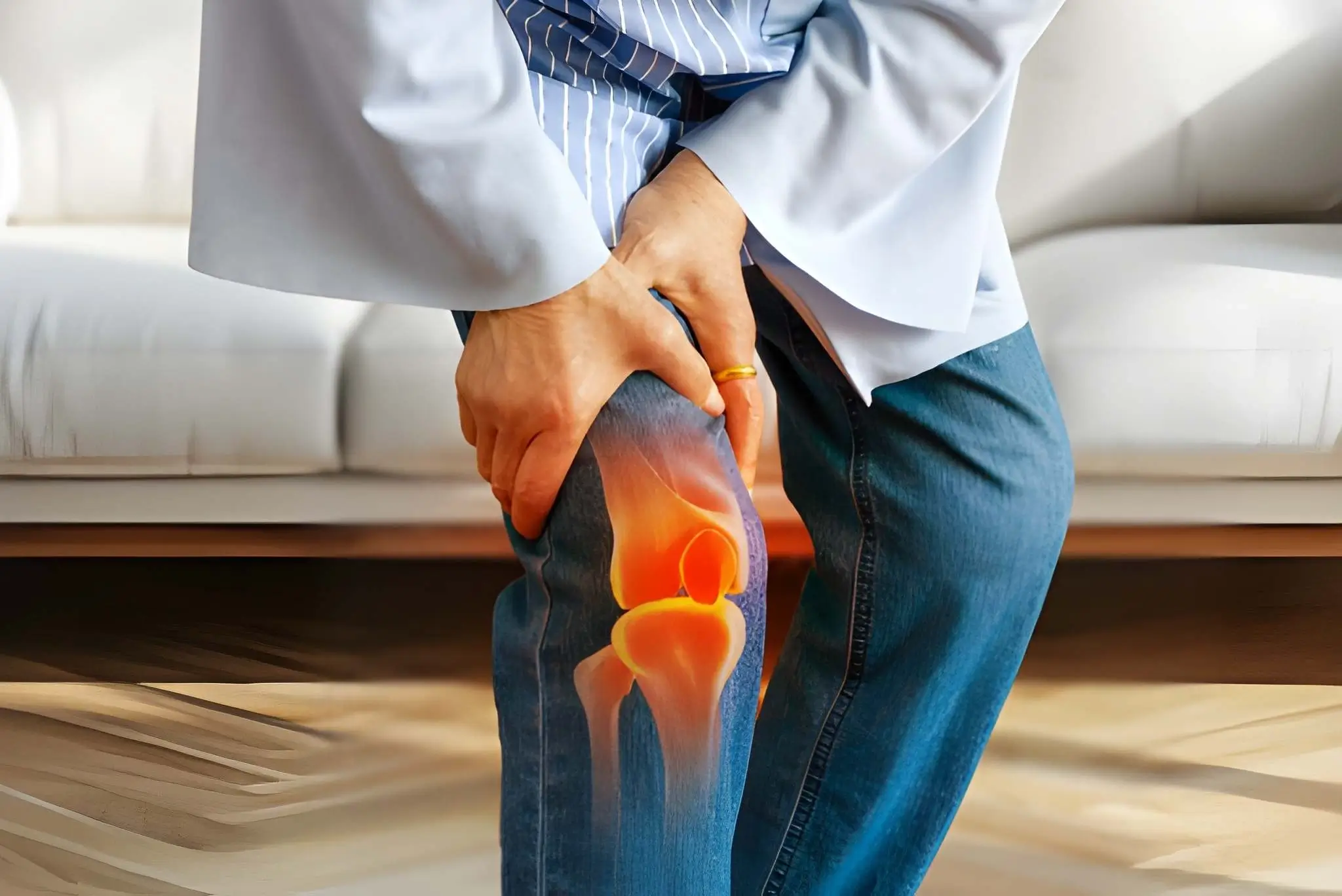
- Knees
- Hips
- Lower Back
- Big Toes
Frequently Used Joints
Joints that work constantly throughout the day.
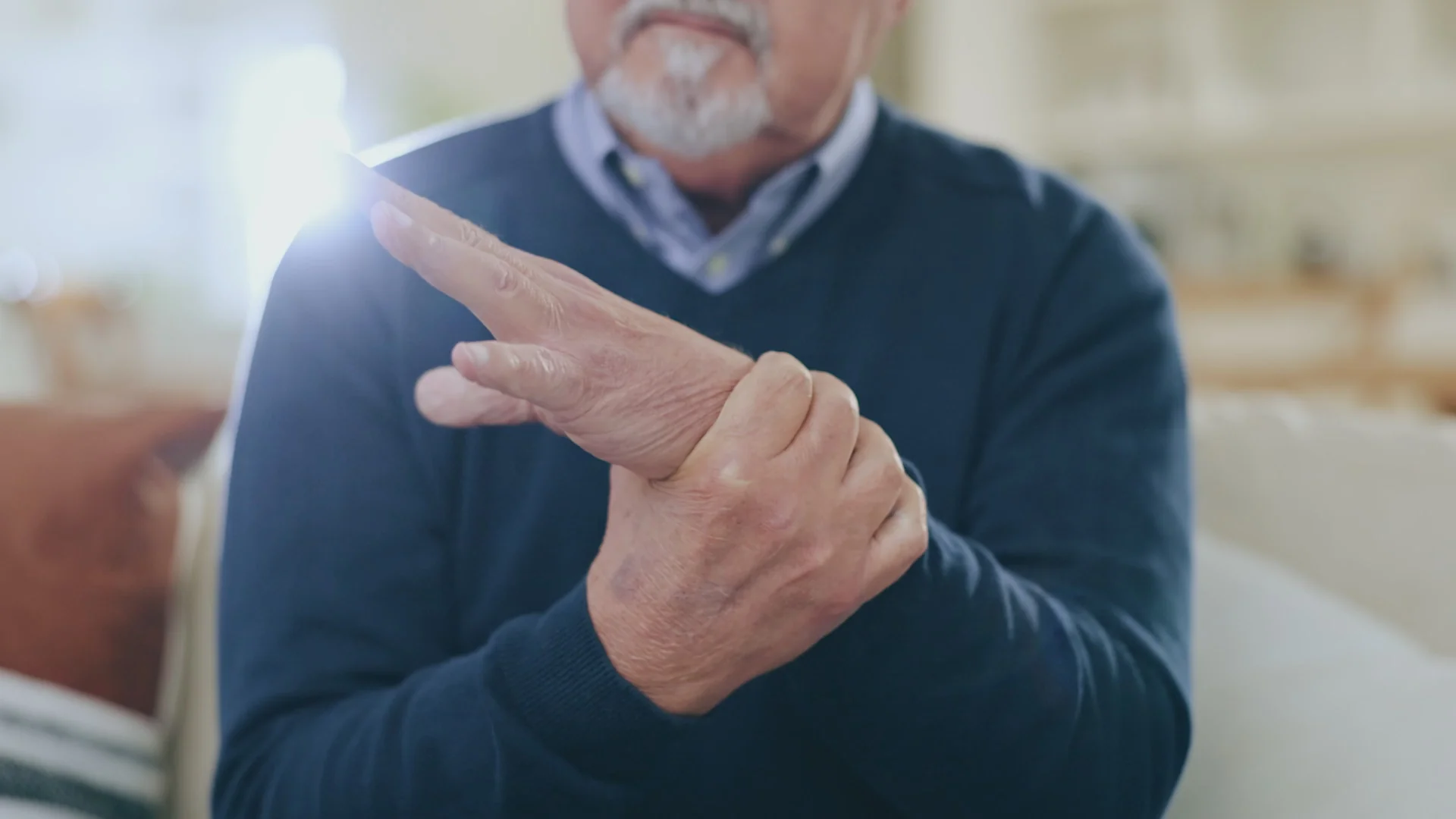
Hands
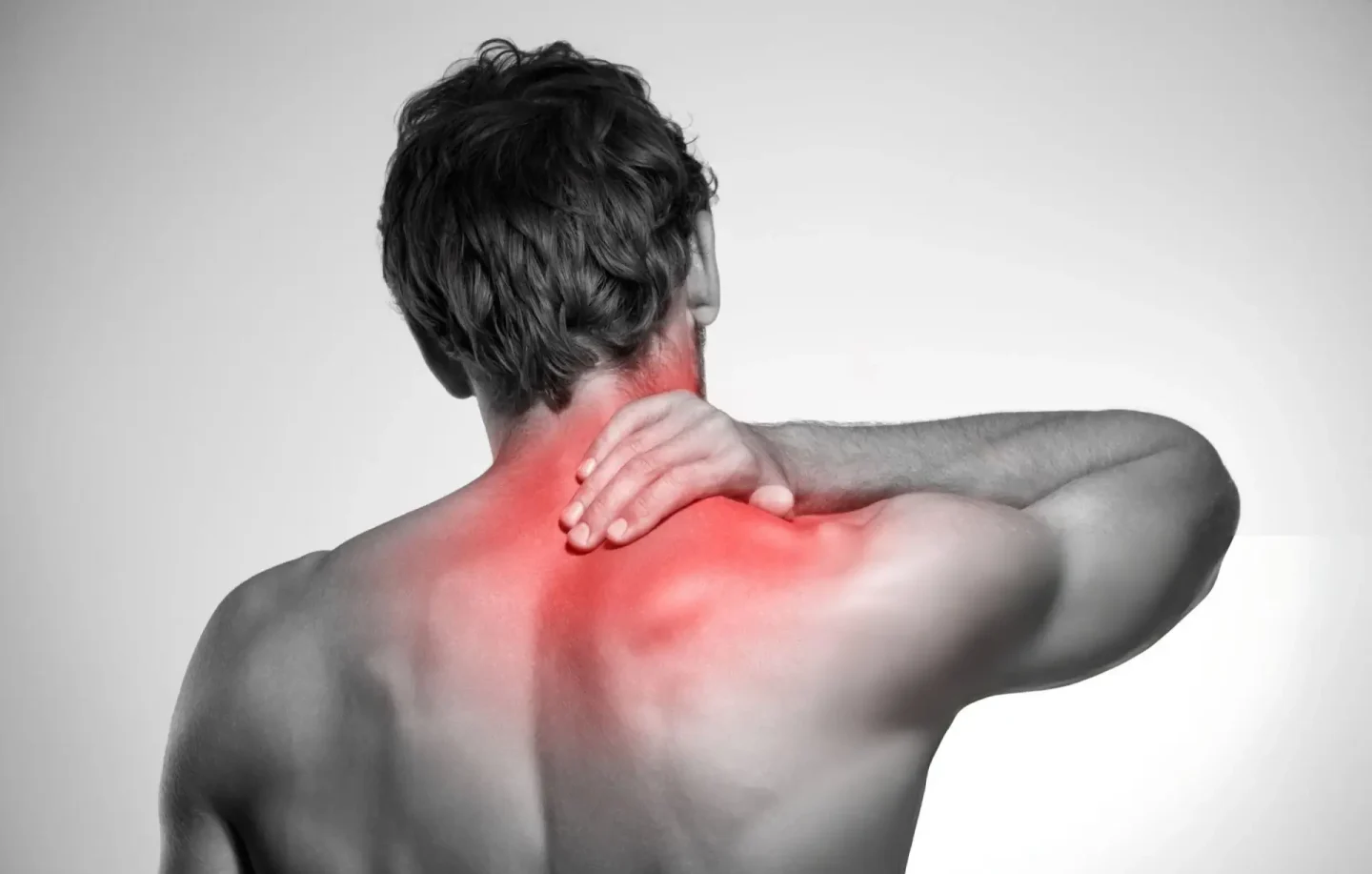
Neck
Upper back
Higher-Risk Situations
Some joints are more vulnerable due to past strain or repetitive work demands.
Prior joint trauma
Repetitive labor and movement
Repeated “micro-stress” over time
Common Hip & Knee Osteoarthritis Complaints
Because hips and knees often take the biggest load, symptoms here can be especially noticeable.
- Hip discomfort that may travel into the groin
- Pain that can move down the thigh
- Aching or sharp pain around the knee
- Symptoms that feel worse in cold weather
- Discomfort during jogging or running
How We Approach Osteoarthritis Support
Our goal is to support joint mechanics and alignment—because joints under uneven stress may feel worse over time.
Process
Tools We Use
- Review your health history and activity demands
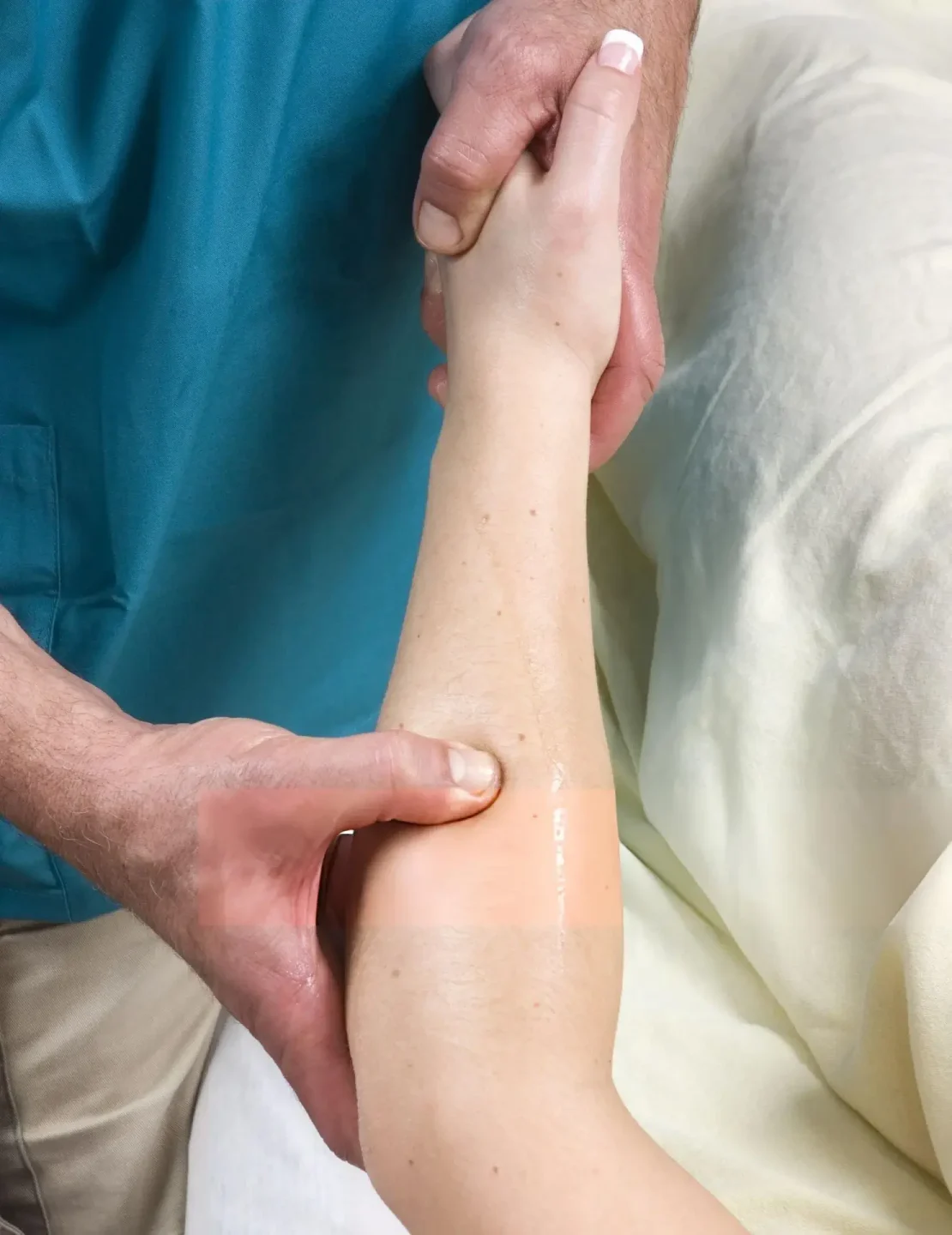
- Joint and movement screening
- Assess joint movement and function
- Posture and gait observation (as appropriate)
- Check for alignment and compensations affecting the joint
- Spine and joint alignment assessment
- Explain likely contributors and next steps
- Imaging referral when needed for clarity
- Build a conservative plan designed for your needs
Conservative Care Options for Osteoarthritis?
Support Joint Alignment
Improving joint positioning and mechanics can help reduce uneven stress during daily activity.
Improve Mobility & Function
Care may help you move more comfortably and maintain better range of motion.
Reduce Tissue Overload
We help you create practical strategies that support joint health and reduce flare-ups.
Long-Term Prevention Focus
We look at repetitive use patterns and screen for deeper causes—especially when symptoms appear “out of nowhere.”
Get a Clear Plan for Joint Pain
If you’re concerned about osteoarthritis—or want to stay ahead of worsening stiffness and pain—schedule a consultation with us.
FAQs About Osteoarthritis
What is osteoarthritis, in simple terms?
Osteoarthritis is a degenerative joint condition where cartilage and joint mechanics change over time, often leading to stiffness, pain, and reduced movement.
Why does osteoarthritis hurt more after resting?
Many people notice increased stiffness after sitting or sleeping because the joint has been less active and may feel tight when movement resumes.
Which joints are most commonly affected?
It often affects weight-bearing and frequently used joints like the knees, hips, neck, lower back, hands, and big toes—though it can occur in any joint.
Can old injuries or repetitive work increase risk?
Yes. Joints with previous trauma or repeated micro-stress from repetitive labor and movement can be more prone to degenerative changes.
What can chiropractic care do for osteoarthritis?
Chiropractic care focuses on joint alignment and movement mechanics, with a conservative plan aimed at improving function and supporting long-term joint health.