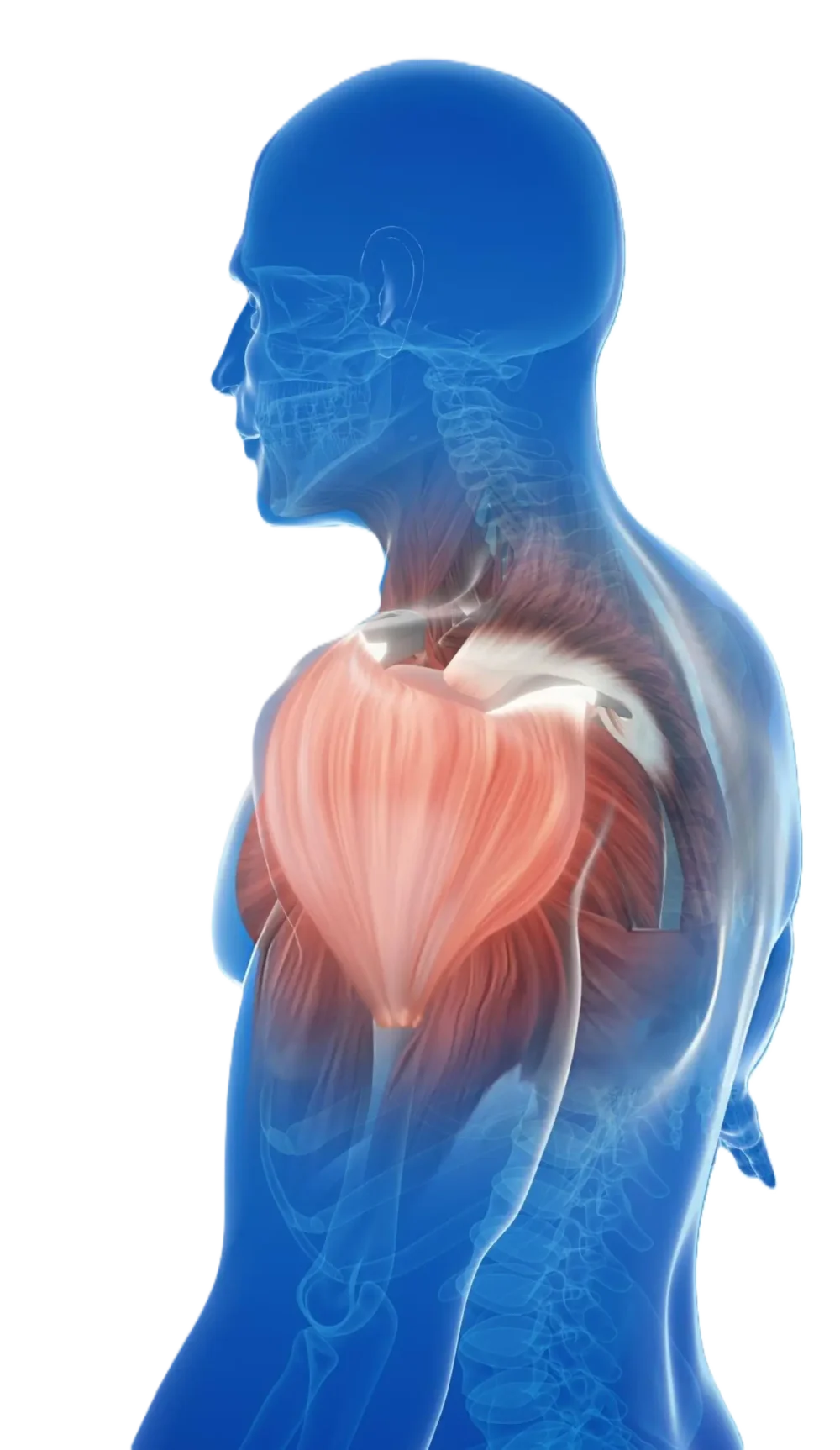
Neck pain is a common struggle for many in Chicago, from Roscoe Village professionals working long hours at a desk to active residents in Lakeview dealing with sports-related strain. The persistent ache, stiffness, and tension can disrupt your work, sleep, and overall quality of life. While it’s tempting to ignore it, untreated neck pain can lead to chronic issues, limited mobility, and recurring headaches. The good news is that targeted movements and specific exercises can provide significant relief, and you don’t have to navigate the discomfort alone.
At Pure Motion Chiropractic, we believe in empowering our community with the knowledge to manage their health proactively. As a trusted local provider, we understand the concerns that come with pain and injury. Our goal is to explain conditions and treatments in simple, relatable terms to help you feel confident in your path to recovery. This comprehensive guide details the 8 best exercises for neck pain, carefully selected by our chiropractic team to help you reduce discomfort, improve mobility, and build resilience against future strain.
This listicle is designed to be your actionable resource. Each entry provides step-by-step instructions, recommended sets and reps, and common mistakes to avoid. If you’re looking for lasting neck pain treatment from a chiropractor near you, consider this your first step toward feeling and moving better. Let’s get started on your path to relief.
What is Chiropractic Care and How Can It Help Neck Pain?
Chiropractic care is a natural, hands-on healthcare approach focused on diagnosing and treating musculoskeletal issues, especially those related to the spine. At its core, chiropractic care ensures your body’s structure—your bones, joints, and muscles—is functioning correctly so your nervous system can operate without interference. For many Chicago residents, it’s a vital part of pain management and long-term wellness.
When you experience neck pain, it’s often due to misalignments in the small bones of your neck (the cervical spine), muscle tension from poor posture, or an injury. A chiropractor uses gentle, precise adjustments to restore proper motion to these joints. This can:
- Relieve pressure on nerves.
- Reduce inflammation and muscle spasms.
- Improve your range of motion.
At Pure Motion Chiropractic, we see chiropractic care as a partnership. We combine spinal adjustments with personalized exercise plans, posture correction guidance, and lifestyle advice to address the root cause of your pain, not just the symptoms. Whether you’re recovering from an auto injury, dealing with a sports-related strain, or simply trying to undo the effects of “tech neck,” our goal is to provide a complete solution for lasting relief.
1. Neck Isometric Exercises
When your neck is in pain, the last thing you want to do is move it aggressively. This is where isometric exercises become one of the best exercises for neck pain, especially during the acute phase of an injury. Isometrics involve a static muscle contraction, meaning you activate and strengthen the neck muscles without any actual movement of your head or spine. This approach gently engages the deep cervical stabilizers, building endurance and stability without aggravating sensitive tissues.

How to Perform Neck Isometric Exercises
Follow these steps to safely strengthen your neck muscles. The key is to apply gentle, steady pressure.
- Forward Flexion: Place your palm on your forehead. Gently press your head forward into your hand while your hand provides equal resistance, preventing any movement.
- Extension: Clasp your hands behind your head. Gently press your head backward into your hands while your hands resist the motion.
- Lateral Flexion (Side Bending): Place your right palm against the right side of your head. Gently press your head into your hand as if trying to touch your ear to your shoulder. Repeat on the left side.
- Rotation: Place your right palm on your right temple. Gently try to turn your head to the right while your hand resists the rotation. Repeat on the left side.
Key Insight: The goal is muscle activation, not movement. Imagine you are trying to move your head against an immovable object. The pressure should be moderate, never causing a sharp increase in pain.
Reps, Sets, and Common Mistakes
- Reps/Sets: Hold each contraction for 5-10 seconds. Perform 5 repetitions in each direction (forward, backward, left, right, and rotation). Aim for 2-3 sets daily.
- Common Mistake #1: Pushing too hard. Aggressive force can strain the muscles you’re trying to help. Start with about 25% of your maximum effort and gradually increase as tolerated.
- Common Mistake #2: Holding your breath. This can increase blood pressure and muscle tension. Breathe steadily and deeply throughout each hold.
Modifications and Safety
- For Office Workers: These are perfect for a desk break. You can perform them discreetly while seated to counteract the strain from “tech neck.”
- For Acute Pain: If you’re experiencing significant pain, start with a very light hold (2-3 seconds) and minimal pressure.
- Safety Warning: Stop immediately if you feel sharp, shooting pain, dizziness, or numbness. These symptoms warrant professional evaluation.
If your discomfort persists or is the result of an injury, a proper diagnosis is crucial. For a comprehensive evaluation of your neck pain, the team at Pure Motion Chiropractic can create a personalized treatment plan for you.
2. Neck Flexion and Extension Stretches
After gently activating the muscles with isometrics, the next step is to improve their flexibility and range of motion. Neck flexion and extension stretches are foundational movements that target the muscles on the front and back of your neck. These are some of the best exercises for neck pain because they directly address stiffness caused by poor posture, such as hunching over a computer or looking down at a phone. Flexion (chin to chest) stretches the posterior muscles, while extension (looking up) lengthens the anterior muscles.
How to Perform Neck Flexion and Extension Stretches
Perform these stretches slowly and mindfully, moving only within a comfortable, pain-free range.
- Neutral Position: Start by sitting or standing tall with your shoulders relaxed and down, and your head in a neutral position directly over your spine.
- Flexion (Chin-to-Chest): Slowly and gently lower your chin toward your chest until you feel a light stretch along the back of your neck. Do not force your chin to touch your chest.
- Hold and Breathe: Hold this position for 15-30 seconds, breathing deeply and allowing the muscles to release.
- Extension (Upward Gaze): Return to the neutral position. Now, slowly tilt your head backward, looking up toward the ceiling. Only go as far as is comfortable, feeling a gentle stretch in the front of your neck.
Key Insight: The movement should be smooth and controlled. Avoid any sharp or jerky motions, as this can cause muscle spasms. Pair the movement with your breath, exhaling as you move into the stretch to enhance relaxation.
Reps, Sets, and Common Mistakes
- Reps/Sets: Perform 2-4 repetitions of both the flexion and extension movements. Aim to do this routine 2-3 times throughout the day, especially during work breaks.
- Common Mistake #1: Overextending backward. Tilting your head too far back can compress the joints in your cervical spine. The goal is a gentle stretch, not an extreme position.
- Common Mistake #2: Slouching your shoulders. Hunching your shoulders forward while stretching negates the benefit. Keep your shoulders down and back to isolate the stretch in your neck.
Modifications and Safety
- For Office Workers: This is an excellent stretch to perform at your desk every hour to combat “tech neck.” It helps reset your head and neck posture.
- Adding Gentle Pressure: For a deeper flexion stretch, you can place a hand on the back of your head and apply very light, gentle pressure. Do not pull.
- Safety Warning: Stop immediately if you feel any pinching, sharp pain, or dizziness. These sensations, especially during extension, can indicate an underlying issue that needs professional assessment.
If these basic movements cause discomfort or if your neck stiffness persists, it’s a sign that a deeper issue may be present. For a thorough evaluation and a personalized treatment plan in the Chicago area, the team at Pure Motion Chiropractic is ready to help you find lasting relief.
3. Neck Lateral Flexion (Side Bending) Stretches
Tension on the sides of the neck is a hallmark of stress and poor posture, particularly for office workers who spend hours hunched over a keyboard. Neck lateral flexion, or side bending, is one of the best exercises for neck pain because it directly targets and lengthens the upper trapezius and sternocleidomastoid muscles. This simple stretch is essential for restoring a full range of motion and releasing the tight, rope-like muscles that contribute to stiffness and headaches.
How to Perform Neck Lateral Flexion Stretches
Follow these steps to safely lengthen the muscles along the sides of your neck. The goal is a gentle, sustained pull, not a sharp or painful sensation.
- Start Position: Sit or stand tall with your shoulders relaxed and down, away from your ears. Look straight ahead.
- Left Side Stretch: Slowly tilt your right ear toward your right shoulder until you feel a comfortable stretch along the left side of your neck.
- Deepen the Stretch (Optional): To increase the intensity, you can gently place your right hand on the top of your head and apply very light pressure. Simultaneously, you can anchor your left arm by holding onto the side of your chair.
- Hold and Repeat: Maintain the stretch without bouncing. Return your head slowly to the center and repeat on the other side, tilting your left ear toward your left shoulder.
Key Insight: The position of your shoulders is crucial. If they rise up toward your ears, the stretch becomes less effective. Consciously keep them down and back to isolate the neck muscles properly.
Reps, Sets, and Common Mistakes
- Reps/Sets: Hold each stretch for 20-30 seconds. Perform 2-3 repetitions on each side. Aim to do this routine 1-2 times daily, especially during breaks from sitting.
- Common Mistake #1: Forcing the stretch. Never pull your head into a position that causes sharp pain. The stretch should feel relieving, not stressful. Overstretching can lead to muscle strain.
- Common Mistake #2: Twisting the neck. Ensure you are bending your head directly to the side, like you’re trying to touch your ear to your shoulder. Avoid rotating your chin up or down, as this changes the targeted muscles.
Modifications and Safety
- For Office Workers: This is an ideal stretch to perform at your desk. Set a timer to remind yourself to take a stretch break every hour to combat the effects of prolonged sitting.
- For Acute Pain: If your neck is very stiff, skip the optional hand pressure. Focus only on the gentle tilt of your head until you feel a light stretch.
- Safety Warning: Stop immediately if the stretch causes tingling, numbness down your arm, or a sharp, pinching sensation. These symptoms require a professional evaluation.
If simple stretches do not provide relief or if your pain is chronic, it may indicate an underlying joint or disc issue. For a thorough diagnosis and a treatment plan tailored to your specific needs in Roscoe Village, the experts at Pure Motion Chiropractic can help restore your neck’s health and mobility.
4. Neck Rotation (Cervical Rotation) Exercises
So much of our daily function relies on the ability to turn our heads, from checking a blind spot while driving to simply engaging in a conversation. Neck rotation exercises directly target this crucial movement, improving the rotational mobility of your cervical spine. By gently guiding the neck through its natural range of motion, this exercise helps alleviate stiffness, reduce tension in the side neck muscles, and restore functional movement patterns that may have become restricted due to pain or poor posture.
How to Perform Neck Rotation Exercises
Follow these steps to safely improve your neck’s rotational flexibility. The movement should be slow and controlled.
- Start Position: Sit or stand tall with your shoulders relaxed and your head in a neutral position, looking straight ahead.
- Gentle Rotation: Slowly and smoothly turn your head to the right, aiming to look over your shoulder. Move only as far as you can without pain.
- Hold the Stretch: Once you feel a gentle stretch along the side and back of your neck, hold the position for 15-30 seconds.
- Return and Repeat: Slowly bring your head back to the center. Repeat the movement on the left side.
Key Insight: Focus on isolating the movement to your neck. Avoid shrugging or rotating your shoulders along with your head. Performing this in front of a mirror can help you maintain proper form.
Reps, Sets, and Common Mistakes
- Reps/Sets: Perform 2-4 repetitions on each side, holding each stretch for 15-30 seconds. Aim to complete this routine 1-2 times daily.
- Common Mistake #1: Quick, jerky movements. This can startle the neck muscles and cause them to tighten further. The entire motion should be deliberate and fluid.
- Common Mistake #2: Pushing through pain. You should feel a mild to moderate stretch, not sharp pain. If you feel pain, reduce the range of motion.
Modifications and Safety
- For Office Workers: This is a fantastic stretch to break up long periods of sitting. You can easily do it at your desk to combat stiffness from staring at a screen.
- For Increased Challenge: As your mobility improves, you can add gentle resistance using a light therapy band anchored to a stable point to perform active rotation against the band.
- Safety Warning: Stop immediately if you experience dizziness, sharp pain, or a pins-and-needles sensation. These symptoms could indicate an underlying issue that needs a professional diagnosis.
If your neck stiffness doesn’t improve or is accompanied by other symptoms, a thorough evaluation is essential. To understand the root cause of your limited mobility, the team at Pure Motion Chiropractic can provide a comprehensive assessment and personalized care plan.
5. Shoulder Shrug and Release
Tension rarely stays confined to just the neck. It often radiates into the upper shoulders, creating a cycle of stiffness and discomfort. The Shoulder Shrug and Release is a simple yet powerful exercise that directly targets this interconnected tension. By consciously tensing and then relaxing the upper trapezius muscles, this movement helps reset the neuromuscular system, improves awareness of where you hold stress, and encourages blood flow to tight areas.
How to Perform the Shoulder Shrug and Release
Follow these steps to effectively release tension in your shoulders and neck. The key is coordinating the movement with your breath.
- Start Position: Sit or stand tall with a straight spine, feet flat on the floor, and arms resting comfortably at your sides.
- Inhale and Shrug: Take a slow, deep breath in through your nose and simultaneously lift your shoulders up toward your ears as high as you can.
- Hold and Tense: Hold your shoulders in this elevated position for 2-3 seconds. Feel the tension in your upper back and neck muscles.
- Exhale and Release: Exhale completely through your mouth as you let your shoulders drop back down to their natural, relaxed position. Feel the tension melt away with the exhale.
Key Insight: The magic of this exercise is in the contrast. By intentionally creating tension, you make the subsequent relaxation more profound and noticeable, teaching your body how to let go of stored stress.
Reps, Sets, and Common Mistakes
- Reps/Sets: Perform 10-15 repetitions per set. Aim for 2-3 sets throughout the day, especially during breaks from sitting.
- Common Mistake #1: Rushing the movement. This exercise is as much about mindfulness as it is about motion. Perform each shrug and release slowly and deliberately with your breath.
- Common Mistake #2: Tensing the jaw or face. Keep your facial muscles and jaw relaxed throughout the exercise. Let the tension be isolated to your shoulders.
Modifications and Safety
- For Office Workers: This is an ideal micro-break exercise. Set a timer to perform a set every hour to combat the postural strain of desk work.
- For Acute Pain: If your neck is very sore, perform the shrug gently without lifting your shoulders to their maximum height. Focus more on the release and breathing component.
- Safety Warning: While generally safe, stop if the movement causes sharp or radiating pain. Persistent knots or muscle tightness might be related to trigger points. Understanding how these muscle knots are addressed can be beneficial; you can learn more about trigger point therapy here.
If you find that deep-seated tension in your shoulders and neck isn’t resolving with simple exercises, it may be a sign of an underlying issue. The specialists at Pure Motion Chiropractic can provide a thorough evaluation to identify the root cause and offer targeted treatment options for Chicago residents.
6. Chin Tucks (Cervical Retraction)
If there is one exercise that chiropractors and physical therapists universally recommend, it is the chin tuck. This simple movement is arguably one of the best exercises for neck pain because it directly targets the deep cervical flexor muscles at the front of your neck. These muscles are often weak and underused, especially in people with forward head posture from long hours at a desk or on a phone. By strengthening them, chin tucks help pull your head back into proper alignment over your spine, relieving strain on the posterior neck muscles.
How to Perform Chin Tucks
Follow these steps for a perfect chin tuck. The movement should be slow and controlled, focusing on creating a “double chin” without tilting your head.
- Start Position: Sit or stand tall with your shoulders relaxed and back. Look straight ahead, keeping your jaw and face relaxed.
- Retract Your Chin: Without tilting your head up or down, gently draw your chin and head straight back. Imagine a string pulling your head backward horizontally.
- Create a Double Chin: You should feel a stretch at the back of your neck and an activation of the muscles deep in the front. Hold this “double chin” position.
- Hold and Release: Maintain the retracted position for 3-5 seconds, then slowly release back to the neutral starting position.
Key Insight: The movement is a horizontal glide, not a nod. Think about making your neck longer and taller at the back as you pull your chin in. Using a mirror for feedback is highly recommended at first.
Reps, Sets, and Common Mistakes
- Reps/Sets: Perform 10-15 repetitions per set. Aim for 2-3 sets spaced throughout the day, especially during work breaks.
- Common Mistake #1: Tilting the head down. Many people look down toward their chest instead of pulling straight back. Keep your gaze level with the horizon.
- Common Mistake #2: Tensing the jaw or shoulders. The effort should come from the deep neck muscles, not from clenching your jaw or shrugging your shoulders up toward your ears.
Modifications and Safety
- For Office Workers: This is the ultimate desk exercise. Set an hourly reminder to perform a set of chin tucks to reset your posture.
- For a Deeper Stretch: You can perform this exercise lying on your back on the floor. Gravity will add a gentle resistance as you press the back of your head lightly into the floor.
- Safety Warning: You should feel a gentle stretch and muscle engagement. If you experience sharp pain, dizziness, or tingling in your arms, stop immediately and consult a professional.
Chin tucks are a foundational step in correcting poor posture, a primary cause of neck pain. To understand more about the connection between alignment and discomfort, you can learn how to fix poor posture with a comprehensive approach. If your neck pain persists, the team at Pure Motion Chiropractic can provide a detailed assessment and personalized treatment plan.
7. Neck Strengthening with Resistance Band
Once acute pain subsides and you’re ready to build functional strength, resistance bands become an invaluable tool. These exercises provide progressive resistance, allowing you to strengthen the deep cervical muscles through a controlled range of motion. Unlike static isometric holds, using a resistance band introduces dynamic movement, which is crucial for improving endurance, restoring stability, and preventing future flare-ups of neck pain.

How to Perform Neck Strengthening with a Resistance Band
Follow these steps for controlled, effective strengthening. Start with the lightest resistance band available and focus on smooth, deliberate movements.
- Forward Flexion: Secure the band behind an anchor point (like a doorknob) at head height. Face away from the anchor, looping the other end of the band around your forehead. Gently nod your chin toward your chest against the band’s resistance, then slowly return to the start.
- Extension: Face the anchor point, looping the band around the back of your head. Gently press your head backward into the band, tucking your chin slightly to keep your neck aligned. Slowly return to the neutral position.
- Lateral Flexion (Side Bending): Anchor the band to your right. Loop the other end around the left side of your head. Gently bend your right ear toward your right shoulder, moving against the resistance. Slowly return and repeat on the other side.
Key Insight: Control is more important than resistance. The movement should be slow and steady in both directions. Avoid using momentum or jerking your head, as this can strain the very muscles you are trying to strengthen.
Reps, Sets, and Common Mistakes
- Reps/Sets: Perform 10-15 controlled repetitions for each direction. Aim for 2-3 sets, performing this routine 2-3 times per week on non-consecutive days.
- Common Mistake #1: Using too much resistance. Starting with a heavy band can cause poor form and muscle strain. Master the movement with a light band before progressing.
- Common Mistake #2: Moving too quickly. The strengthening benefit comes from slow, controlled muscle contractions. Rushing through the reps negates the purpose and increases injury risk.
Modifications and Safety
- For Office Workers: If you don’t have an anchor point, you can hold the ends of the band with your own hands to create resistance for each movement.
- For Post-Injury Rehab: These exercises are ideal for transitioning from acute care to long-term stability. They help rebuild strength after an injury has started to heal.
- Safety Warning: Never perform these exercises if they cause sharp, radiating pain, dizziness, or tingling. These are some of the best exercises for neck pain during the recovery phase, but they may not be appropriate during an acute flare-up.
If you are unsure how to progress from basic exercises to strengthening, the team at Pure Motion Chiropractic can guide you. We develop personalized rehabilitation plans to help Roscoe Village residents safely build strength and prevent a recurrence of neck pain.
8. Scapular Stabilization and Retraction Exercises
Your neck doesn’t work in isolation; it relies heavily on the support system of your upper back and shoulders. Scapular stabilization and retraction exercises are among the best exercises for neck pain because they directly strengthen the muscles that control your shoulder blades (scapulae). When the rhomboids and mid-trapezius muscles are weak, the shoulders round forward, forcing the head into a forward posture that strains the cervical spine. By pulling your shoulder blades down and back, you correct this imbalance, improve posture, and reduce the load on your neck muscles.

How to Perform Scapular Retraction Exercises
Follow these steps to properly engage your mid-back muscles and provide crucial support for your neck. This can be done seated or standing.
- Start with Good Posture: Sit or stand tall with your spine neutral, shoulders relaxed, and arms at your sides.
- Squeeze Your Shoulder Blades: Without shrugging your shoulders up toward your ears, gently pull your shoulder blades together as if you are trying to make them touch.
- Pull Down and Back: As you squeeze, focus on the sensation of pulling the shoulder blades both backward and slightly downward.
- Hold and Release: Hold the squeezed position for 5 seconds, maintaining steady breathing. Slowly release and return to the starting position.
Key Insight: The movement should originate from the muscles between your shoulder blades, not from your arms or by arching your lower back. Imagine you are trying to hold a pencil between your scapulae.
Reps, Sets, and Common Mistakes
- Reps/Sets: Perform 10-15 repetitions per set. Aim for 2-3 sets daily, especially during breaks from computer work.
- Common Mistake #1: Shrugging the shoulders. Many people compensate by using their upper trapezius muscles, pulling the shoulders up. Consciously keep your shoulders down and relaxed.
- Common Mistake #2: Arching the back. The movement should be isolated to your shoulder blades. Avoid puffing out your chest or arching your lumbar spine to create the motion.
Modifications and Safety
- For Office Workers: This is an essential exercise to break the cycle of “desk slump.” Perform a set every hour to reset your posture.
- For Progression: Once you master the basic movement, add a light resistance band. Hold the band in front of you with both hands and pull it apart as you retract your scapulae.
- Safety Warning: You should feel a gentle contraction or mild fatigue in your mid-back, not pain in your neck or shoulders. If you experience sharp pain, stop the exercise.
If you struggle to activate these muscles or find that postural issues persist, you may have deeper muscular imbalances. For a targeted plan to restore stability, the team at Pure Motion Chiropractic can help identify the root cause of your neck pain.
What to Expect on Your First Visit to Pure Motion Chiropractic
We understand that visiting a chiropractor for the first time can feel intimidating, which is why we prioritize a welcoming, reassuring, and educational experience for all our Chicago neighbors. From the moment you step into our clinic, our focus is on you.
Your journey to relief begins with a comprehensive consultation where we listen carefully to your health history, concerns, and goals. We’ll then conduct a thorough physical examination—including postural analysis and range-of-motion tests—to pinpoint the exact cause of your neck pain. Based on these findings, we’ll explain our diagnosis in clear, easy-to-understand terms and propose a personalized care plan. This plan often includes gentle spinal adjustments to restore proper joint function, targeted soft tissue work to release muscle tension, and specific exercises like the ones in this guide to support your recovery. Our patient-centered approach ensures you are an active partner in your healing process every step of the way. We want you to feel empowered and confident in your treatment, knowing you have a dedicated team supporting you.
When Exercises Aren’t Enough: Partner with Your Local Chicago Chiropractor
Navigating the journey to a pain-free neck involves consistency, proper form, and listening to your body. While the best exercises for neck pain are a powerful tool, they are most effective when the underlying cause of the pain has been properly diagnosed and addressed. If your pain persists, worsens, or is accompanied by symptoms like numbness, tingling, weakness in your arms, or severe headaches, it’s a clear sign that you need a professional assessment.
This is where expert chiropractic care becomes essential. At Pure Motion Chiropractic, located in the heart of Roscoe Village, we specialize in identifying the root cause of your neck pain. A thorough examination helps us determine if the source is a spinal misalignment, a disc issue, muscle imbalance, or a combination of factors. Our approach integrates precise, gentle spinal adjustments with targeted soft tissue therapies to release deep-seated muscle tension. We don’t just treat the pain; we correct the problem. For our neighbors in Lakeview, North Center, and across Chicago, our goal is to provide a personalized care plan that not only brings relief but also empowers you with the knowledge and one-on-one guidance to prevent recurrence.
Don’t let persistent neck pain dictate your life. By combining the proactive exercises in this guide with professional chiropractic care, you can build a strong, stable, and pain-free future.
Ready to address the root cause of your neck pain and ensure your exercises are as effective as possible? The team at Pure Motion Chiropractic in Chicago’s Roscoe Village is here to provide a personalized diagnosis and treatment plan tailored to your specific needs. Schedule your appointment today at Pure Motion Chiropractic and take the next step toward lasting relief.